Men's Hair Systems
What Is a Hair System for Men? A Consultation Framework
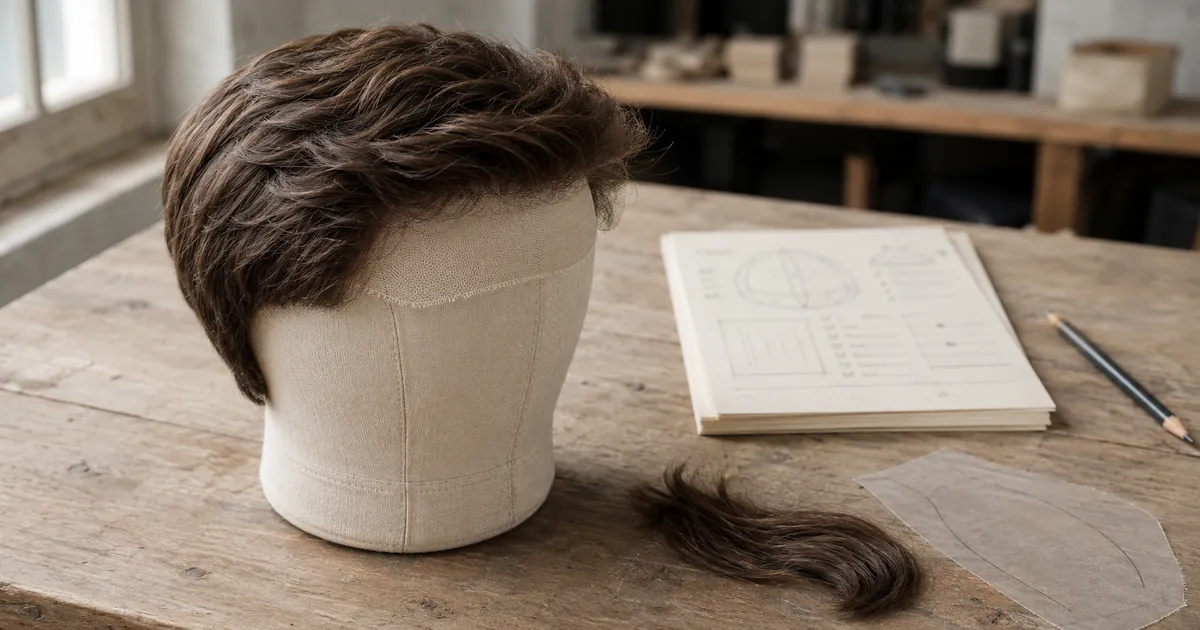
Short answer: a hair system for men is a non-surgical, removable hair replacement unit. Manufacturers build it on a thin base — either a lace mesh or a polyurethane skin membrane. They then hand-ventilate or inject human or synthetic hair into that base. Finally, they attach the finished unit to the scalp with tape or adhesive. In daily wear, it covers areas of loss such as the front hairline, the crown, or the whole top. Clients then remove and reattach it on a recurring service cycle rather than wearing it permanently. This page explains the category from a manufacturer's perspective. It also shows how a studio consultation turns a client's situation into a manufacturing specification. It is not, however, a directory of local salons or a "near me" service page. To understand the consultation process behind a men's hair system, read on.
At LEV, the consultation comes before the spec. First, we confirm a client's front-hairline exposure, outline, density direction, attachment method, and maintenance routine. Only then do we translate those findings into the manufacturing parameters that decide how we build the unit.
Why this page exists
Most "what is a hair system" pages define the product and then send you to a local salon. We wrote this one for a different reader: the buyer, studio, or retailer. Specifically, they need to grasp the category where money actually changes hands. This page is that bridge — between a consultation and a buildable spec.
The Category
What a Hair System Is — and What It Is Not
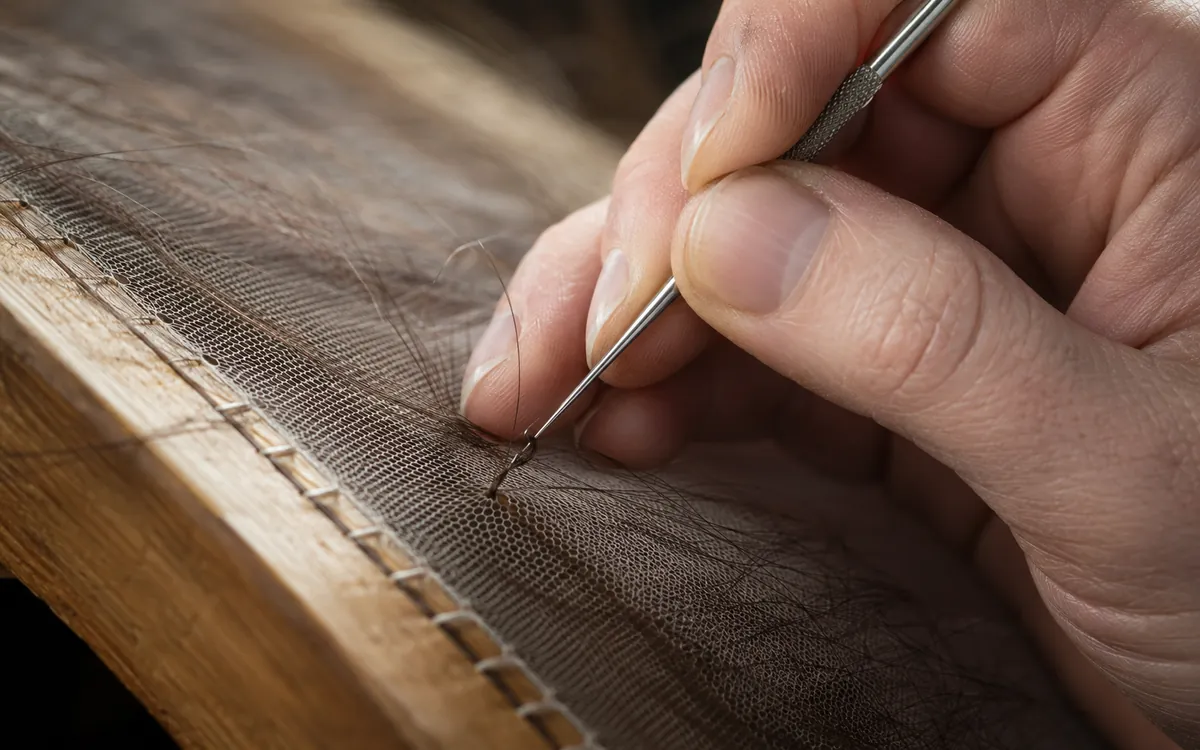
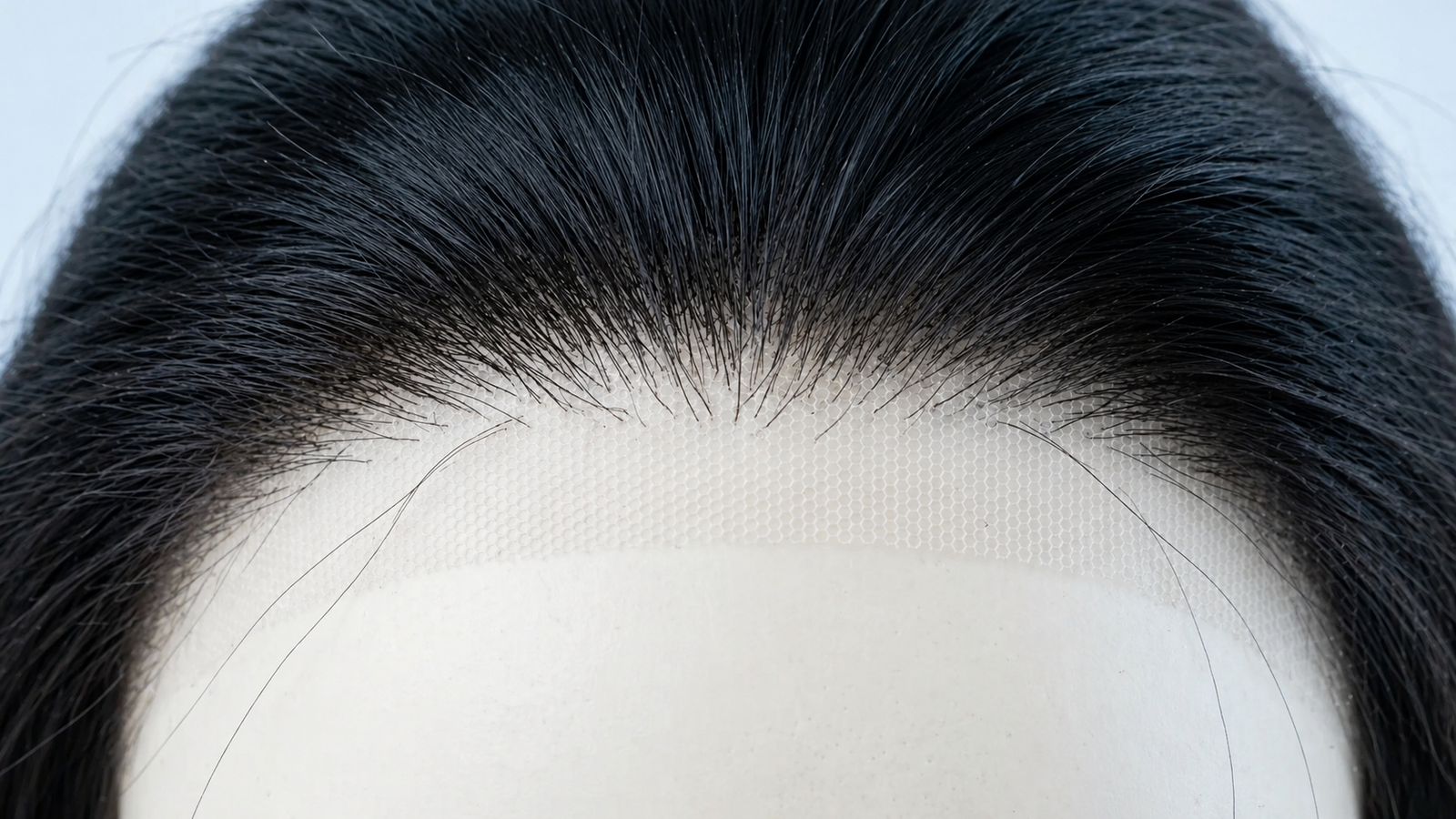
What it is. A men's hair system is a custom or stock hair unit that attaches to the scalp. It restores the look of hair where natural growth has thinned or receded. Modern systems use a thin base that mimics the scalp. The factory then knots or injects hair into that base and secures it with adhesive or tape. Manufacturers size each unit to the area of loss: a crown patch, a front hairline, or the full top.
What it is not. It is not a costume wig, not a hair transplant, and not a medical treatment for hair loss. A hair transplant, by contrast, is a surgical procedure. During a transplant, a medical professional moves follicles from one part of the scalp to another. A hair system, however, is non-surgical, cosmetic, and removable, and it makes no claim to regrow hair or halt loss. Keeping that line clear protects buyers from suppliers who blur cosmetic and medical promises.
Terminology. "Hair system," "hairpiece," "toupee," and "non-surgical hair replacement" overlap heavily in everyday speech. In procurement, however, the distinctions that matter are base type, hair type, unit size, and attachment — not the label. Two factories can build products with the same name completely differently. For that reason, the label is the start of a question rather than the answer.
Stock versus custom: the first real fork in the category
A useful split within the category is stock versus custom. Stock systems, for example, ship quickly because the factory pre-builds them to common sizes and specifications. By contrast, a custom system follows a specific client's brief — outline, density by zone, direction, attachment. It therefore takes longer, but it fits a defined person. Both are non-surgical and removable. Each unit comes off on a recurring service cycle for cleaning and reattachment. In practice, the bond weakens and new growth pushes the unit forward, so a fresh reattachment restores the fit. Knowing which track a buyer is on, therefore, decides everything downstream, from lead time to the final specification.
Consultation Framework
A Consultation Framework, Not a Product Picker
Most "what is a hair system" pages stop at the definition and point you toward a local salon. The more useful question is different: how does a consultation turn a client's situation into a buildable spec? That happens in three steps.
1. Five things a consultation confirms
A real consultation records five things before anyone specifies a unit. First, it captures the area and shape of coverage — where the loss sits. Second, it notes the front-hairline exposure the client wants. Third, it records the density and direction that match their existing hair. Next, it confirms the attachment routine they will realistically follow. Finally, it sets the maintenance cycle they can sustain. Each finding then becomes a manufacturing input. Specifically, coverage and exposure set the base size and front design. Density and direction then set the ventilation map, while attachment sets the base material and maintenance sets the durability target. A consultation that skips any of these, in short, produces a unit that fits no one in particular.
The order matters as much as the list. Coverage and exposure come first, because they set the physical footprint of the unit. Density and direction come next, since they decide how the hair within that footprint behaves. Attachment and maintenance come last, because they set the base material and the durability target the earlier choices must survive. Skipping ahead to attachment before you settle exposure is a common pitfall. In other words, the unit then looks right on paper but wrong on the head.
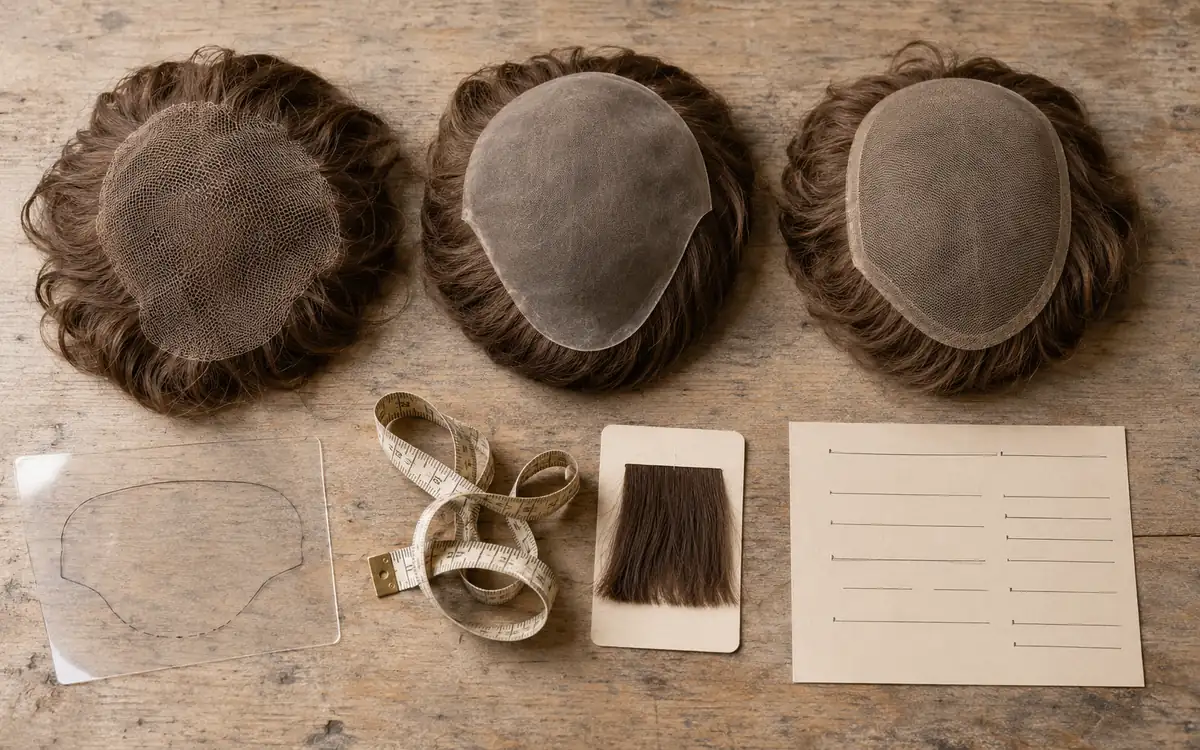
2. How consultation findings become manufacturing specs
The bridge between consultation and production is a one-to-one mapping: each finding sets one decision on the factory floor. Once that mapping is explicit, the client's situation becomes a buildable specification rather than a mood board.
| Client situation (consultation) | Production decision it sets |
|---|---|
| Coverage area and shape | Base size and outline |
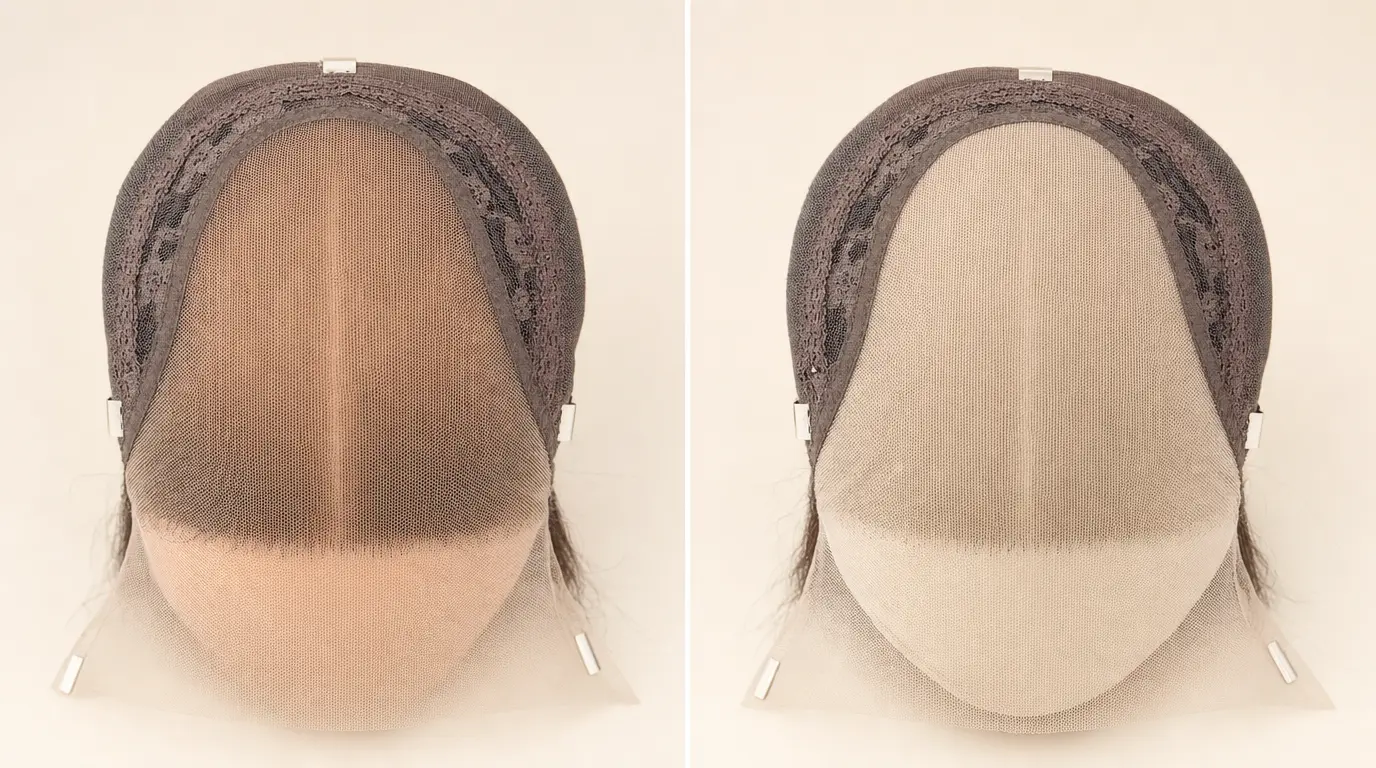
| Front-hairline exposure | Front base type and hairline design |
| Density and direction | Ventilation map and parting |
| Attachment routine (tape or adhesive) | Base material |
| Maintenance and service cycle | Durability and reinforcement |
3. Why this is a procurement decision, not a local service
If you searched "what is a hair system for men," you likely also saw "near me" results. Pages ranking for "hair system near me" or "hair replacement near me," after all, serve a different intent. They find a local salon to fit one head. This page, by contrast, serves a different reader: the buyer, studio, or retailer deciding what to stock or commission. That reader needs to grasp how the category works at the manufacturing level before spending. Understanding the consultation-to-spec bridge, in turn, is what lets you evaluate suppliers and brief a factory. It also helps you avoid retail markups for units you could specify directly. The local-salon result and the procurement result are therefore two different markets. Conflating them is how buyers end up with the wrong product and the wrong price.
Boundary Questions
Boundary Questions Buyers Get Asked
Once the category is clear, a handful of questions tend to surface. Short, factual, non-medical answers:
- Is a hair system permanent? No. Clients remove and reattach it on a service cycle. It involves no surgery, and it never fuses with the scalp.
- Is it the same as a wig? It overlaps in construction, but it targets a specific area of loss for daily, long-term wear, not occasional use.
- Does it require surgery? No. Attachment uses tape or adhesive; the process implants nothing and stays entirely non-surgical.
- Can I buy directly from a manufacturer? Yes. Buyers and studios can commission custom units or buy stock from a factory, which is what the procurement track covers.
- Is it only sold through local salons? No. Local salons are one channel; manufacturer-direct and wholesale are others, and they suit a different buyer.
From here, the work splits into two practical tracks. First, review the men's hair systems range to see how factories specify the category at the manufacturing level. Alternatively, compare the base options once the consultation names an attachment routine.
FAQ
Frequently Asked Questions
A men's hair system is built from a thin base — a lace mesh or a polyurethane skin membrane — with human or synthetic hair hand-ventilated or injected into it. The finished unit attaches to the scalp with tape or adhesive and is removed on a recurring service cycle. It is non-surgical and removable.
The terms overlap in everyday use. In procurement the differences that matter are base type, hair type, size, and attachment, not the label. A men's hair system is typically sized to a specific area of loss and engineered for long-term daily wear, whereas a wig more often implies a full cap.
The consultation records coverage area, front-hairline exposure, density and direction, attachment routine, and maintenance cycle. Each finding maps to a production decision — base size and front, ventilation map, base material, and durability — so the client's situation becomes a buildable specification rather than a guess.
No. Local salons are one sales channel, but buyers, studios, and retailers can also commission custom units or buy stock directly from a manufacturer. The 'near me' results serve local fitting; the procurement track serves buyers who need to understand the category at the manufacturing level.
A hair transplant is a surgical medical procedure that relocates follicles from one part of the scalp to another. A hair system is a non-surgical, removable cosmetic unit attached with adhesive or tape. One is medical, the other is not, and a hair system makes no claim to regrow hair or stop loss.
Conclusion
Understand the Category, Then Specify It
A men's hair system is a defined product category. Specifically, it is a non-surgical, removable unit that manufacturers build on a base and specify through a consultation. Once that is clear, the work moves from "what is it" to "what should this client's be." That shift is where you win or lose margin and fit. Hold the five consultation inputs against the production mapping, and the category stops being mysterious and starts being manageable.
The same logic applies whether you stock one client profile or twenty. The category is stable, but each client's spec is not, and the consultation is what tells them apart. Treat the definition as the floor — the minimum a buyer should understand before commissioning. Then treat the consultation-to-spec mapping as the actual work. It separates a unit that fits from one a buyer merely orders.
Understand the Consultation Before You Specify
LEV Wigs manufactures men's hair systems in Qingdao and confirms each client's coverage, front exposure, density direction, and attachment before production. Understand the consultation process behind our manufacturing and evaluate the category at the level where you actually spend.
Explore Men's Hair Systems