Head Coverings
What Is a Mitpachat? Mitpachat vs Tichel Explained
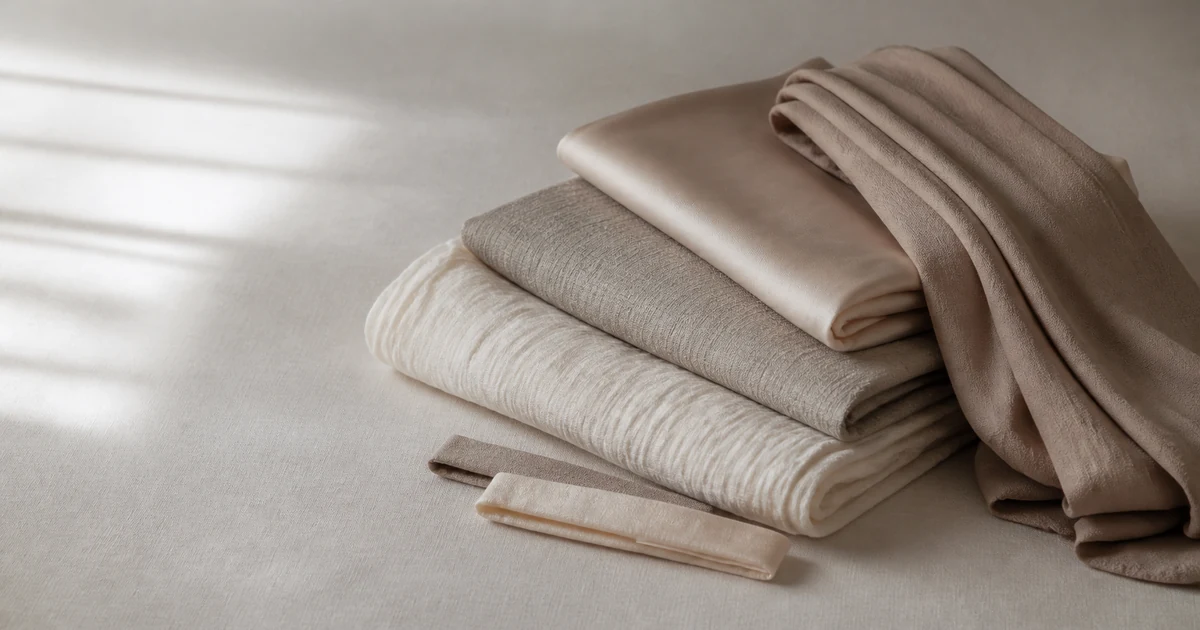
A mitpachat is the Hebrew word for a headscarf; in this context, it is worn by some married Jewish women to cover their hair. Tichel is the Yiddish-derived word for the same family of covering. The naming question is mostly linguistic, but a buyer still needs to understand the fabrics, formats, opacity, and ties behind both terms. This guide untangles those details for boutiques planning a head-covering section.
It is the second chapter of our complete guide to Jewish head coverings. The first chapter maps the landscape; this one goes deep on the scarf — because the scarf is where most covering wardrobes begin, and where most buying mistakes are made.
Terminology
Mitpachat vs Tichel: Two Words, One Scarf
Strip the question to the object and the answer is one line: the Hebrew and Yiddish-derived names refer to the same family of headscarf. Usage varies by language, community, retailer, and wearer, so a product listing should also state shape, dimensions, fabric, opacity, and intended coverage.
Around that core pair sits a small vocabulary worth knowing. Kisui rosh is the practice itself — literally head covering. A band or volumizing band is the shaped inner strip that adds crown height under a wrap. An undercap is a light fitted layer that holds hair flat beneath the scarf. These are common parts of a tying wardrobe, although the terms and available accessories vary by shop and community.
One caution for buyers: because the two words travel in different communities, product listings inherit the vocabulary of their market. Searching only one term may omit relevant listings, so buyers should search both and compare dimensions and fabric details.
Materials
Fabrics, Sizes, and Formats
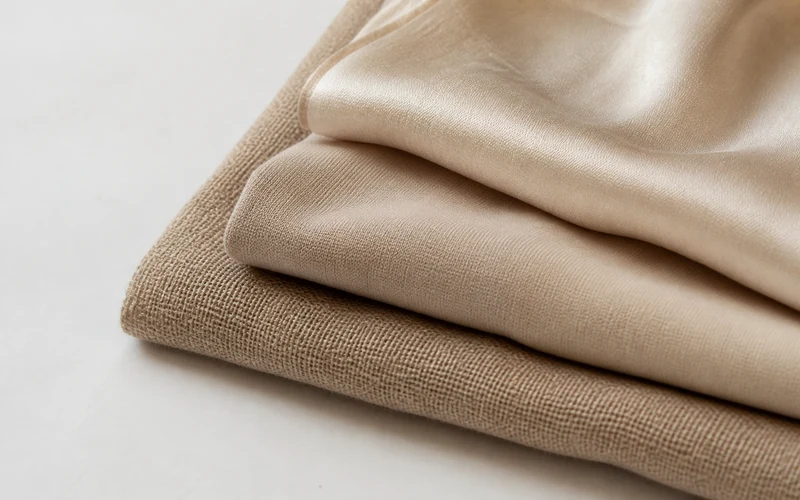
Three fabric families cover the market, and each behaves differently at the tie.
- Cotton and cotton-rich weaves are the daily standard: breathable, opaque without lining, forgiving of repeated washing. Textured cottons grip better, which matters for all-day holds.
- Modal and viscose blends drape more fluidly and photograph more elegantly — the dress-tier choice. They trade some grip for movement, so they pair best with bands or layered ties.
- Silk and silk blends sit smoothest and knot smallest, ideal under volume or for formal wraps. They are also the least forgiving in care.
Sizes fall into three formats: the small square, folded into a band for front coverage; the large square, the workhorse for full wraps; and the long oblong, which gives the tail length that dramatic ties need. Weight matters as much as size — a heavy weave hangs differently around the shoulders than a gauze of the same dimensions, and opacity at single-layer thickness is a modesty decision, not a style one.
Technique
Three Basic Ways to Tie
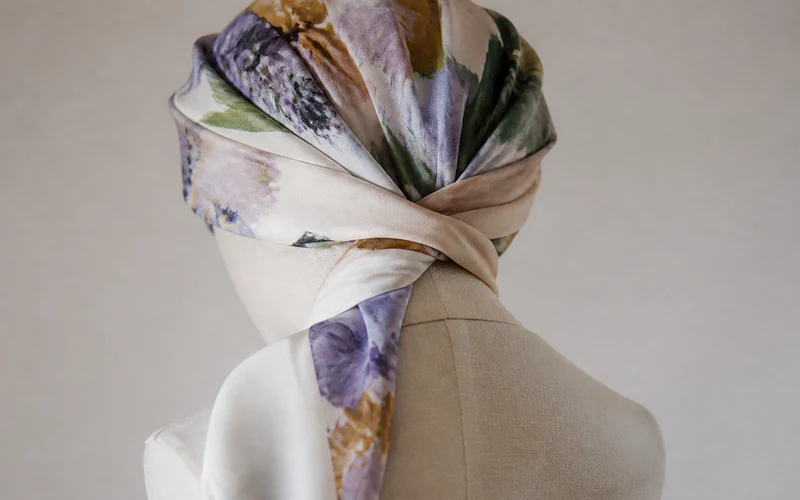
Every elaborate wrap you have admired is built from three foundations. Master these and the rest is decoration.
The Classic Tie
- Center the scarf over the crown with the edges hanging evenly.
- Cross the two ends low at the nape and pull them snug.
- Bring both ends back over the shoulders.
- Finish with a single knot or soft bow at the side or back, and tuck the tails.
The Volumizing Wrap
- Place a shaped band over the crown first — it supplies the height.
- Drape a large square or oblong over the band.
- Gather and twist once at the nape, keeping the band's crown line clean.
- Wrap the tails forward and up, securing them tucked or knotted at the crown's base.
The Two-Scarf Layered Look
- Tie an inner scarf in the classic style, slightly back from the hairline.
- Layer a contrasting second scarf — usually a lighter or finer weave — over the front.
- Twist the two layers together once at the side for the signature rope.
- Finish the ends together, tucked or braided through.
Comparison
Tichel vs Snood vs Sheitel
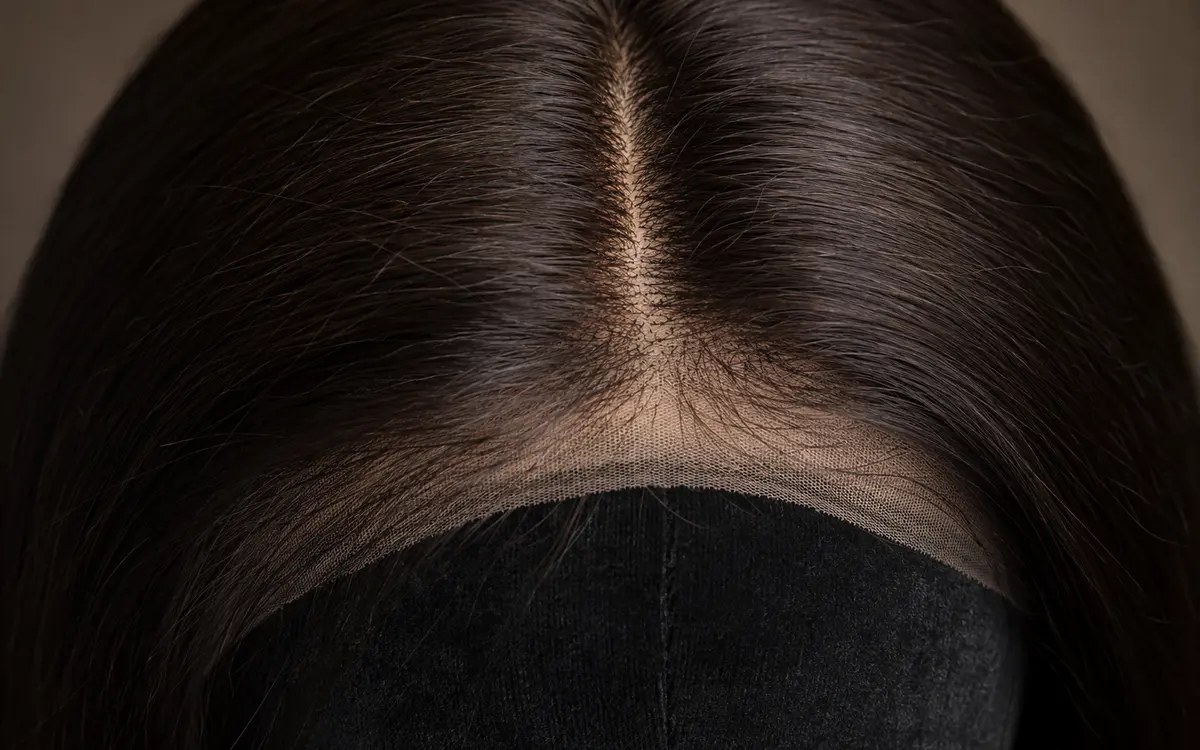
The scarf's nearest neighbors solve the same requirement differently. A snood is a knit or crocheted pouch that gathers the hair at the back — faster on, zero tying, but fixed in coverage and formality. A sheitel is a full wig: the most complete coverage and the highest cost and care. The tichel sits between them — endlessly adjustable in coverage and dress, at the lowest cost per unit, with the tying skill as its learning curve.
Many wardrobes hold all three and rotate by day. For the fuller decision between the two most compared options, our sheitel vs tichel guide works through coverage, cost, and daily-life trade-offs in detail.
Wearing
Choosing Your Everyday Tichels
A working scarf wardrobe follows three practical checks. First, let the wearer's coverage standard guide the format. Second, consider rotation because repeated wear concentrates fading and creasing on one piece. Third, check opacity at the intended number of layers under real light; a sheer scarf may need a liner or layered tie.
Beyond the rules, the honest advice from retailers: start with fewer, better scarves than a drawer of impulse buys. A practical starting set might include a large neutral square, a color the wearer already uses, and a dressier fabric option.
B2B
What a Head-Covering Section Stocks
For boutiques, the scarf wall is the accessible entry point of the covering category — and it deserves the same specification discipline as the wig case. Stock across all three fabric tiers and all three size formats rather than a wall of one favorite. Carry the supporting cast — bands, undercaps, and pins — because the tie is only as good as its foundation. And plan the neighboring display deliberately: the woman buying tomorrow's tichel is the same customer who buys next year's sheitel, which is why our guide to the seven covering types is required reading for anyone planning the section.
As manufacturers we sit on the wig side of that wall — but the buyers are shared, and the shops that guide both honestly earn the whole wardrobe.
Ownership
Care, Sizing, and How Long Scarves Last
A good scarf outlives expectations precisely because its failure modes are gentle. Fabric does not shed, caps do not stretch, and knots do not loosen — the enemies are fading, thinning at the fold lines, and the slow loss of grip that comes with fabric softener. Care is therefore short: wash cool with like colors, skip softener entirely on cottons (it coats the fibers and kills the friction that holds a tie), and dry flat or line-dry away from direct sun so dyes keep their depth.
Storage follows fabric logic. Silk blends and fine modal rest folded on a shelf with airflow, never compressed under a stack; everyday cottons tolerate more democracy in the drawer. Whatever the tier, rotate rather than rest on one favorite — the scarf worn every single day fades at the shoulders and creases at the same fold until the crease becomes the scarf.
Sizing deserves a paragraph of its own because it drives most exchanges shops process in this category. Head circumference is only half the measurement; the other half is the coverage standard the scarf serves, which decides the minimum size format that will work. A wearer following a fuller coverage standard cannot force a small square to behave like a large one, and a voluminous crown with a long tail cannot be built from a scarf that is barely there. Measuring, asking about the required coverage, and demonstrating a tie before purchase can reduce avoidable sizing complaints.
Service life depends on weave, finishing, washing, rotation, and handling. Cotton and modal blends are often selected for repeat wear, while silk blends need gentler handling and may show pulls sooner if treated roughly. Choose a small set that fits the wearer's actual routine before expanding it.
FAQ
Jewish Headscarf Questions
A mitpachat is a Hebrew word for a headscarf and, in this context, refers to a scarf worn by some married Jewish women to cover their hair. Tichel is a Yiddish-derived term for the same family of covering. Usage varies by language, community, retailer, and wearer, so product listings should define the format rather than rely on the name alone.
The difference is mainly linguistic: one term is Hebrew, while tichel is Yiddish-derived. Usage varies across communities, and some sellers use the words for slightly different sizes or tying styles, so confirm the product dimensions rather than relying on the label alone.
Start with the classic tie: center the scarf over the crown, cross the two ends at the nape, bring them back over the shoulders, and finish with a single knot or bow at the side or back. Adjust the tension and placement for comfort and security. Add volume shapers or a second scarf only after the basic tie feels stable.
Cotton and cotton-rich weaves are the everyday workhorses — breathable, opaque, and easy to tie. Modal and viscose blends drape more elegantly for dress occasions, and silk-blend scarves sit smoothest under volume but need gentler care. Most wardrobes settle on a rotation: breathable cottons for daily wear and a few dressier blends for occasions.
Head-covering shops in Orthodox neighborhoods, community online stores, and the accessories sections of sheitel boutiques all carry them. Boutique buyers should confirm fabric weights, size ranges, and fast-moving colors with the supplier before stocking — the same specification discipline that governs any wholesale order.
Closing
The Scarf, Understood
The distinction between the two names is linguistic; the scarf itself is a matter of fabric, size, opacity, and tying method. Define those specifications clearly before building a covering wardrobe or boutique assortment.
From here, continue with the full head-coverings guide for the complete landscape, or read why the covering exists at all in our cultural guide to hair covering.


Planning a Full Head-Covering Section?
LEV Wigs manufactures specification-grade sheitels for boutiques whose customers begin at the scarf wall and graduate to the wig case. Tell us your community's standards and we will plan the range with you.
Discuss Your AssortmentRequest Wholesale Terms