Jewish Wig Guide
Sheitel Fall vs Full Wig: Coverage, Comfort and Cost
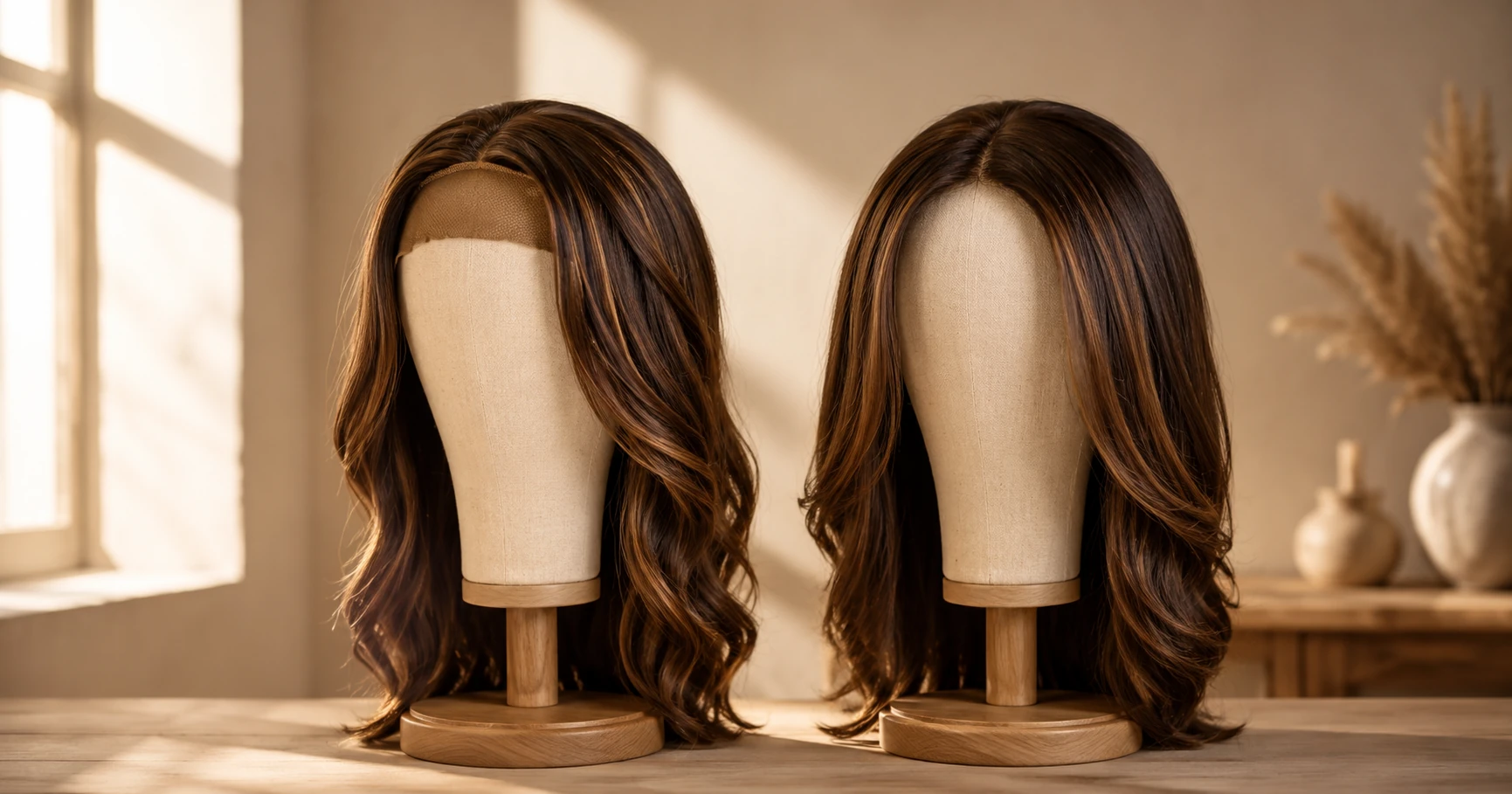
A sheitel fall covers the back and sides while leaving the natural front hair visible; a full sheitel covers the entire head. Therefore, the better choice depends on coverage expectations, daily comfort, styling habits, and budget. For retailers and salon partners, the same decision also affects cap specifications, sample selection, and the mix of products customers expect to see.
Our Qingdao factory manufactures both constructions, so this comparison focuses on the differences buyers can inspect directly: cap coverage, attachment, weight, styling requirements, and production complexity. By the end, you will know which format better fits your coverage expectations, daily routine, and purchasing priorities.
Key Takeaways
- Falls use less cap and hair material, so they are generally lighter and allow more airflow than comparable full wigs
- Full sheitels provide complete coverage — no need to worry about showing your own hair at the hairline
- Band fall sheitels offer the easiest attachment method — just slip on and go
- Manufacturing difference matters — full wigs require more labor, which affects wholesale and retail pricing
Understanding the Fall
Understanding the Sheitel Fall
Walk into any sheitel store in Boro Park and you will notice two distinct display areas: full wigs on mannequin heads, and falls laid out or shown on partial stands. Specifically, the difference is structural. A jewish wig fall, often called a band fall sheitel, covers the back and sides of your head while leaving the front open. Your own hair shows at the hairline and crown, which creates a natural look that many women prefer.
Construction and Design
From our factory perspective, a fall's cap structure requires less material than a full wig. As a result, the open front eliminates the need for a lace front or silk top along the hairline. Instead, the cap focuses coverage on the back and sides and is designed to blend with the wearer's natural hair at the front. The attachment method varies — some use a comfortable band across the top, while others secure with bobby pins or clips at the open edges.
Because less hair is ventilated into the cap, a fall is generally lighter than a full wig made with comparable hair length and density. The open front also allows more airflow. Buyers should compare samples built to matching specifications because hair length, density, and base material can change the final weight.
Community Preferences
Coverage expectations vary by personal practice and local community guidance. A fall leaves the natural front hair visible unless it is paired with another covering, while a full sheitel covers the entire head. Wearers should confirm which construction meets their own requirements. Falls can also be paired with hats, headbands, or snoods when that combination is appropriate for the wearer.
Tip from the Workshop
When ordering a fall from your wholesaler, specify your natural hair's texture and wave pattern. The best blends occur when the fall's hair matches your own. Our factory can customize curl patterns during production for seamless integration.
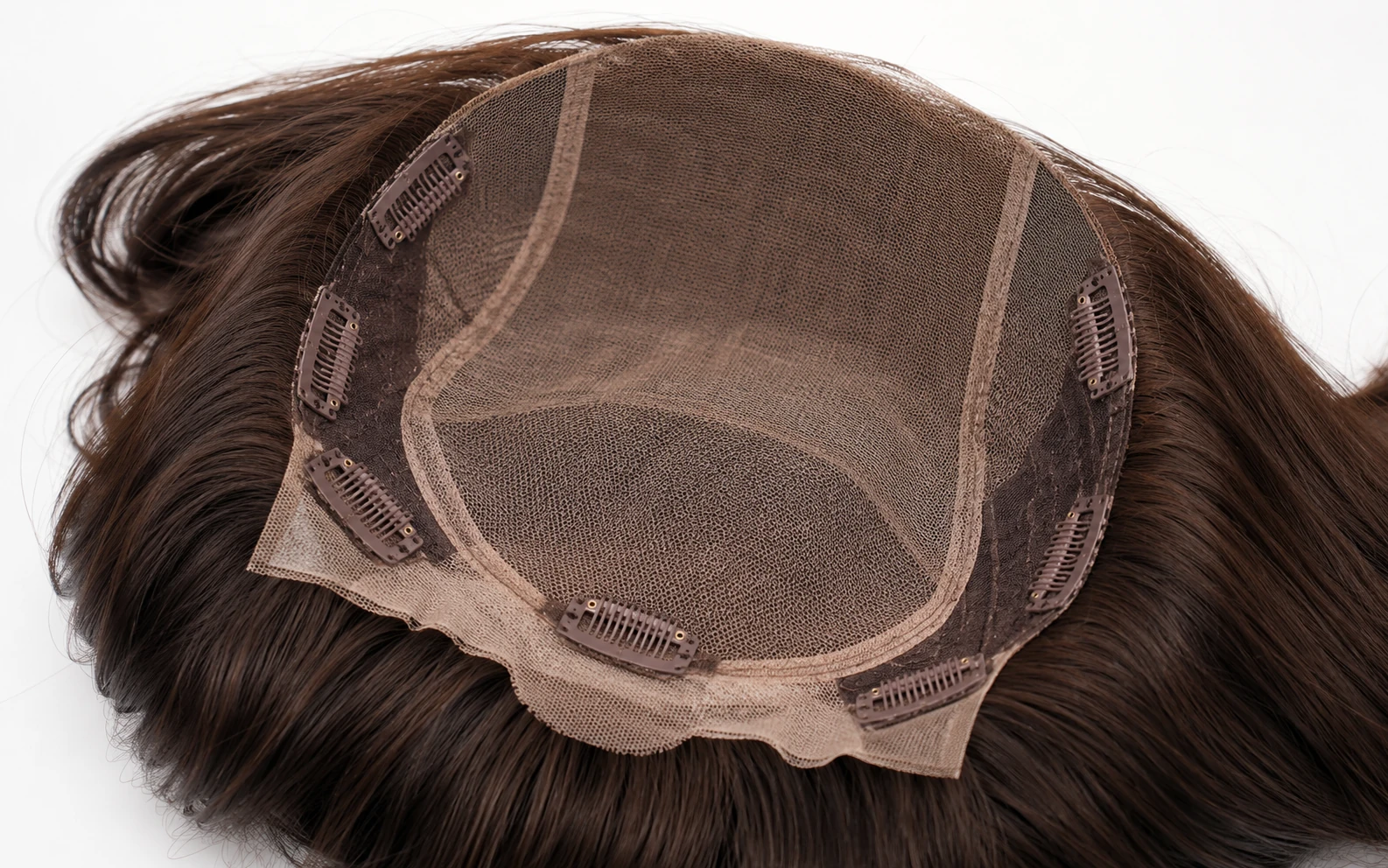
For a deeper understanding of different sheitel types and their construction, see our comprehensive sheitel guide covering selection, buying, and care.
Full Sheitel Overview
The Full Sheitel — Complete Head Coverage
A full sheitel provides coverage across the entire head. The cap construction encompasses the front hairline, crown, sides, and back in one complete unit. It is the relevant option for wearers who need complete coverage or who do not want to blend their natural front hair with the wig.
Full Wig Cap Construction
Manufacturing a full sheitel requires more labor and material than producing a fall. The cap must include a front section — typically lace front, silk top, or a combination — that creates the illusion of hair growing from the scalp. At our Qingdao workshop, each full wig passes through cap foundation building, front ventilation, main body ventilation, and final styling. The additional front construction and ventilation make it more labor-intensive than a comparable fall.
In addition, the construction methods vary. Lace front full wigs use a delicate mesh along the hairline that disappears against your skin. Silk top full sheitels incorporate the triple-layer system we use in our premium toppers, hiding every knot between silk and lace. Some jewish wig styles combine both — silk top at the crown for parting realism, lace front at the hairline for seamless blending.
Who Chooses a Full Sheitel
Full wigs suit wearers who want complete coverage without relying on their natural hairline for blending. The self-contained cap can also simplify styling because the front, crown, sides, and back are designed as one unit.
A full wig can be more suitable when the wearer has thinning or sparse natural hair at the front. A fall depends on enough natural hair for secure attachment and convincing blending, while a full cap does not have that requirement.
Note on Weight
Full wigs weigh more than falls due to the additional hair and cap material. However, modern cap constructions have reduced this difference significantly. Our factory uses lightweight lace materials that breathe better than older designs, making full wigs more comfortable for all-day wear.
For a detailed comparison of cap constructions used in full wigs, see our guide on lace top vs silk top sheitels, which covers base construction, durability, and pricing from a factory perspective.
Head-to-Head
Fall vs Full Sheitel — Side-by-Side Comparison
The table below compares structural differences that buyers can verify in samples and specification sheets. Final weight, comfort, appearance, and price still depend on matching hair length, density, material, and cap specifications.
| Feature | Sheitel Fall | Full Wig |
|---|---|---|
| Coverage | Back and sides only | Complete head coverage |
| Cap Construction | Open front with covered back and sides | Full cap with a constructed front and crown |
| Attachment | Band, pins, or pressure-sensitive clips | Full-cap fit with straps, clips, or custom sizing |
| Natural Look | Your hairline shows | Scalp illusion at front |
| Comfort Level | Lightweight, cooler | Fuller coverage, warmer |
| Daily Wear Ease | Quick attachment with band | Requires more positioning time |
| Styling Flexibility | Blend with your own hair | Self-contained style |
| Price (Wholesale) | Usually lower with matched specifications | Usually higher due to added material and labor |
| Production Complexity | Less cap area and front construction | More ventilation and hairline construction |
Coverage and Natural Look
Falls excel at natural integration because your own hairline remains visible. This eliminates the detectable hairline issue that some full wigs face, even with lace fronts. However, falls require that you have enough natural hair to blend convincingly at the front. If your own hair is thin or sparse, a full wig with a well-made front provides a more consistent appearance.
Comfort and Daily Wear
The weight advantage of falls makes them comfortable for long days. Women who wear sheitels to work often prefer falls for this reason. As a result, the lighter cap reduces scalp fatigue, and the open front allows better airflow. Full wigs, while improving with modern materials, still provide more coverage — which means more warmth. This matters in summer months or for women who run hot naturally.
Price and Value
From a manufacturing standpoint, falls usually cost less to produce because they require less cap area, hair material, and ventilation work. However, final quotes still depend on hair length, density, origin, cap construction, customization, and order volume. Retailers should compare samples with matching specifications rather than treating the lowest unit price as the best value.
At our Qingdao workshop, we test ventilation quality by running fingers along the cap surface. A well-ventilated fall or full wig should feel smooth, with no scratchy knots catching against your skin. This tactile check matters more than most buyers realize — poor ventilation causes discomfort that worsens throughout the day.
Our Qingdao workshop produces both falls and full sheitels with the same quality standards. Request a sample kit to feel the difference in construction and weight firsthand.
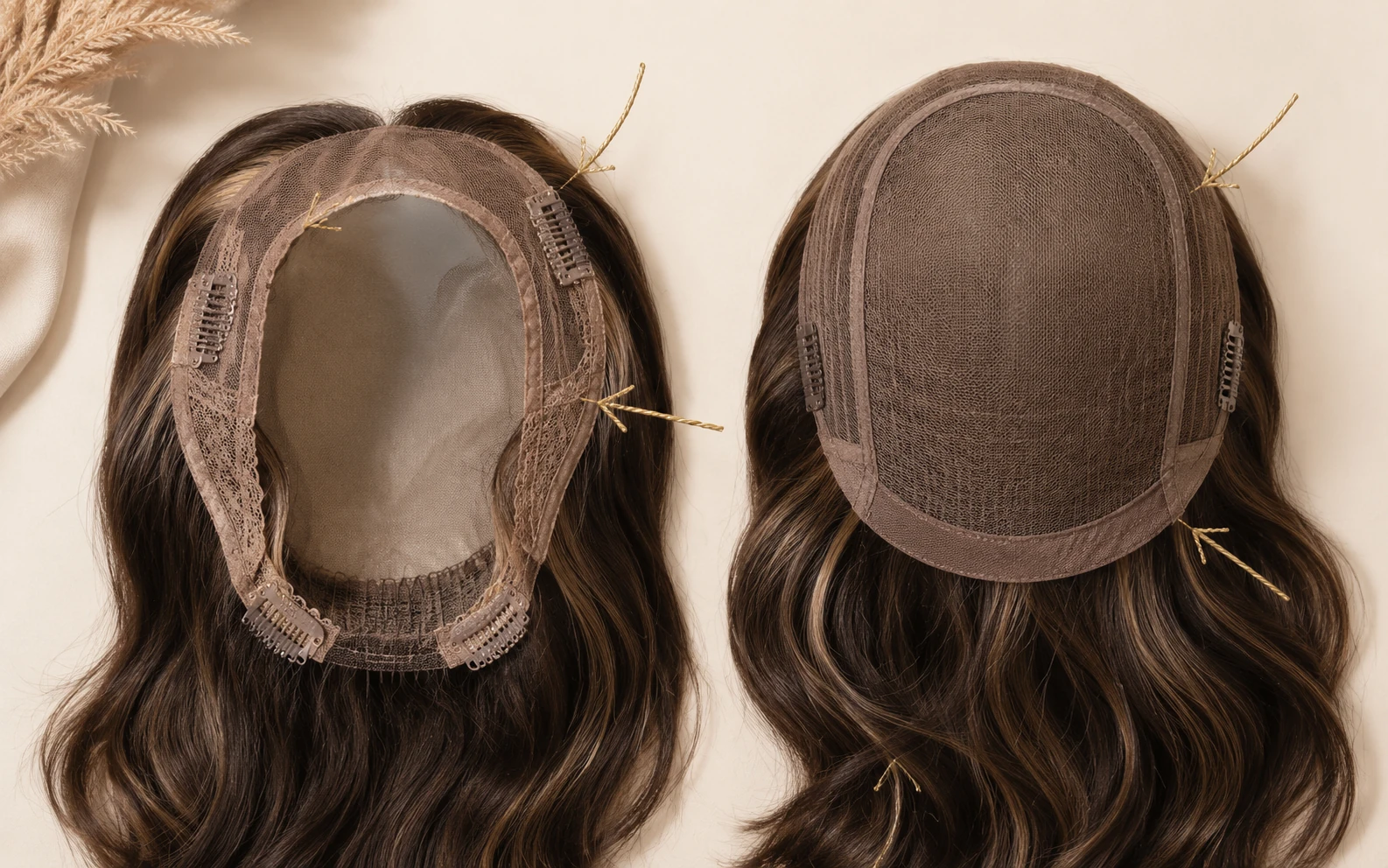
Compare Like for Like
Ask suppliers to quote both constructions with the same hair origin, length, density, color work, and finishing requirements. This isolates the cost of the cap design instead of mixing construction differences with unrelated specification changes.
Which One Should You Choose?
Which One Should You Choose?
For Daily Wear — Falls win for most work environments. The lighter weight and quicker attachment make them practical for women who rush in the mornings. If you work in a professional setting where you want some natural hairline showing, a fall provides that flexibility without sacrificing coverage where it matters.
For a Self-Contained Formal Style — A full sheitel provides complete coverage and does not require the wearer to blend natural front hair. Lace-front and silk-top options can also provide a finished hairline and flexible parting for formal styling.
For Budget-Conscious Buyers — Falls usually require less material and labor, which can make them the lower-cost option when specifications are otherwise equivalent. Buyers should still confirm whether the fall requires extra fitting, accessories, or styling to work with their natural hair.
| Your Priority | Recommended Choice |
|---|---|
| Daily comfort | Fall — lighter and cooler |
| Complete coverage | Full wig — no hair showing |
| Natural hairline | Fall — your own hair shows |
| Budget-friendly | Fall — usually less material and labor |
| Special occasions | Full wig — polished look |
If you are still uncertain, our Jewish wigs buyer's guide offers additional guidance on selecting the right sheitel based on your specific needs and lifestyle.
FAQ
Frequently Asked Questions
Yes. A well-made band fall can look natural when its color, texture, and wave pattern match the wearer's own hair. A hat or headband covers the open front, while the fall supplies coverage at the back and sides. Proper placement and blending matter more than added cap material.
Security depends on the attachment system. Band falls rely on a fitted headband, while open-edge designs use crossed bobby pins or pressure-sensitive clips. Support should be distributed across several points instead of concentrated in one area. LEV reinforces fall base edges so salon partners can pin and fit them repeatedly.
There is no single preference across Orthodox communities. The appropriate amount of coverage depends on personal practice and local guidance. Retailers should ask customers about coverage expectations, climate, comfort, and attachment preferences rather than assuming one style is suitable for everyone.
Yes. Clip-in and pin-secured falls can be worn without a headband, leaving the natural front hair visible. The wearer needs enough hair for secure attachment and convincing blending. A fitting appointment is useful because clip position, cap tension, and front density determine whether the fall shifts during wear.
Wholesale buyers should compare cap weight, ventilation workmanship, hair specifications, attachment hardware, sample policy, MOQ, customization options, and the current production schedule. LEV can prepare samples before a bulk order so retailers can evaluate comfort and construction. Final pricing depends on hair length, density, cap design, and order volume.
Conclusion
Fall vs Full Sheitel — Making Your Choice
Falls offer lightweight flexibility and a natural integration with your own hairline. They work exceptionally well for daily wear, professional environments, and women who appreciate the ability to blend their natural hair with the sheitel. Full sheitels provide complete coverage and confidence — no worrying about your hair showing, no adjusting throughout the day, just secure and polished presence from morning to night.
The right choice depends on coverage requirements, natural-hair blending, daily comfort, styling habits, and budget. Buyers who need different constructions for different situations can evaluate both through matched samples. Our Qingdao factory produces both styles under the same quality-control process, making it easier to compare cap design without changing the broader product standard.
If you are evaluating sheitels for personal use or wholesale ordering, contact our team for guidance. We provide spec sheets, samples, volume pricing, and a current production schedule based on the selected hair and cap specifications. Our workshop ships worldwide from Qingdao.
For complete guidance on selecting, buying, and caring for your sheitel, visit our comprehensive sheitel guide.
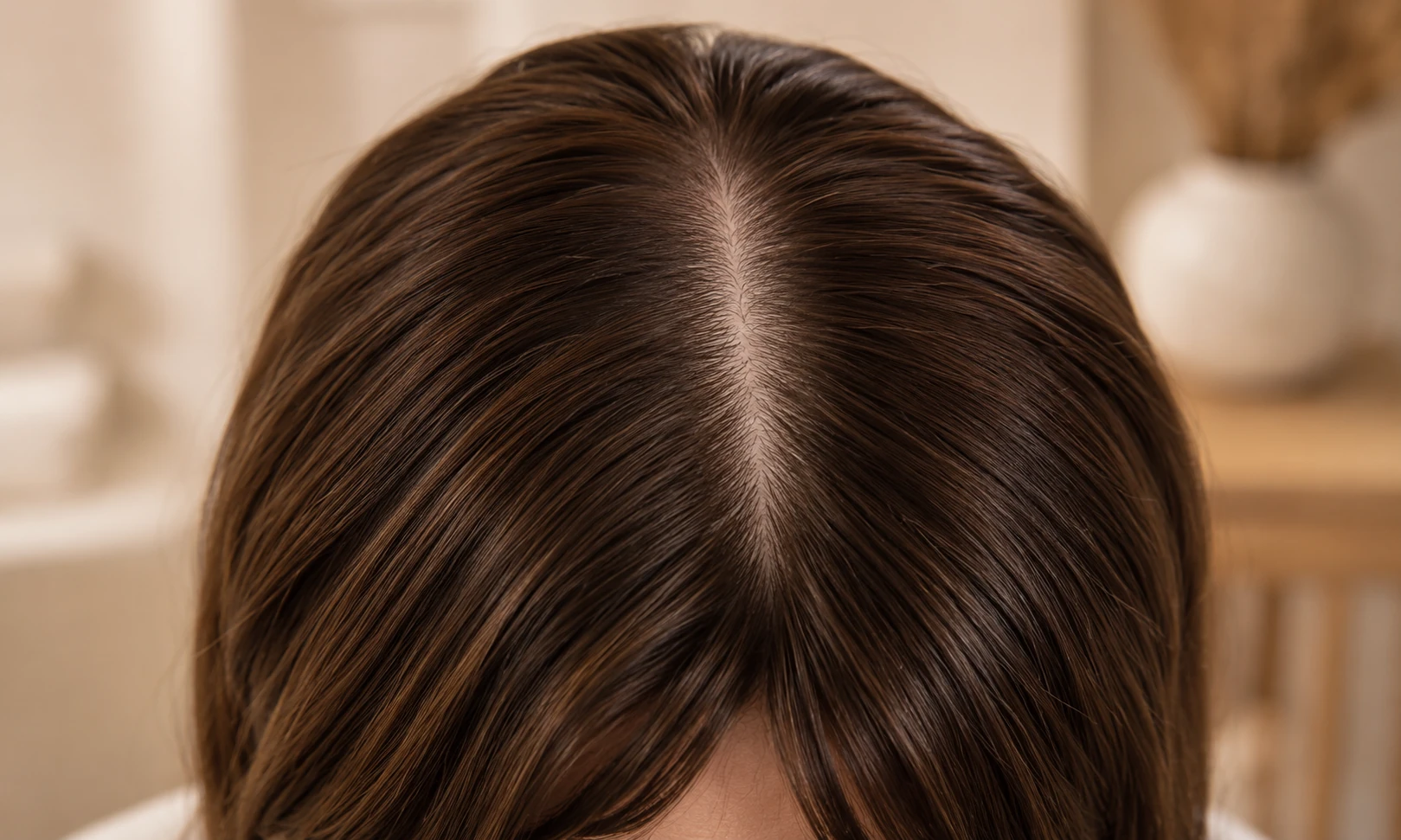

Need Help Choosing the Right Sheitel?
Whether you're a first-time buyer or a wholesale customer stocking your store, our team in Qingdao can help you find the perfect fall or full sheitel.
Contact LEV Wigs