Sheitel Types
Jewish Wigs: 7 Types Every Orthodox Woman Should Know

The seven types of Jewish wigs are silk top, lace top, full lace, lace front, hand-tied, band or fall, and custom-made. Those labels do not all describe the same design layer: some identify the parting-area top, some describe cap coverage, and “custom” describes how the unit is ordered. Understanding which layer each label controls is what makes a sheitel comparison accurate — and it is the distinction this page is built around.
A buyer who asks for a “lace sheitel” may mean a natural front edge, a breathable crown, or an all-lace cap. Treating those as interchangeable can produce the wrong sample. LEV Wigs therefore recommends describing the top, front, back, coverage, fit, density, and styling goal separately. This article owns the question types of Jewish wigs; the religious and cultural reasons for hair covering belong in our separate guide to why Jewish women wear wigs.
Classification First
- Top labels describe how the visible parting area is constructed.
- Cap labels describe where lace, hand-tying, wefts, or stretch material appear.
- Coverage labels distinguish a full wig from a fall or band-supported piece.
- Custom-made is an order route and can be combined with several constructions.
Quick Map
The Seven Jewish Wig Types at a Glance
The most useful comparison is not a universal ranking. It is a map of what each label controls. A single sheitel can legitimately carry more than one label—for example, a custom-made lace-front unit with a silk top and a hand-tied back.
| Label | What it describes | Buyer question it answers |
|---|---|---|
| Silk top | Parting-area top | How will the scalp effect look? |
| Lace top | Parting-area top | How light and ventilated is the crown? |
| Full lace | Whole-cap base | Where can the hair be redirected? |
| Lace front | Front hairline zone | How is the front edge finished? |
| Hand-tied | Attachment method and cap zones | Which areas move independently? |
| Band or fall | Coverage format | Is another covering part of the look? |
| Custom-made | Order and fitting route | Which measurements and specifications are made to order? |
Types 1 and 2
Types Defined by Top Construction
1. Silk top sheitels
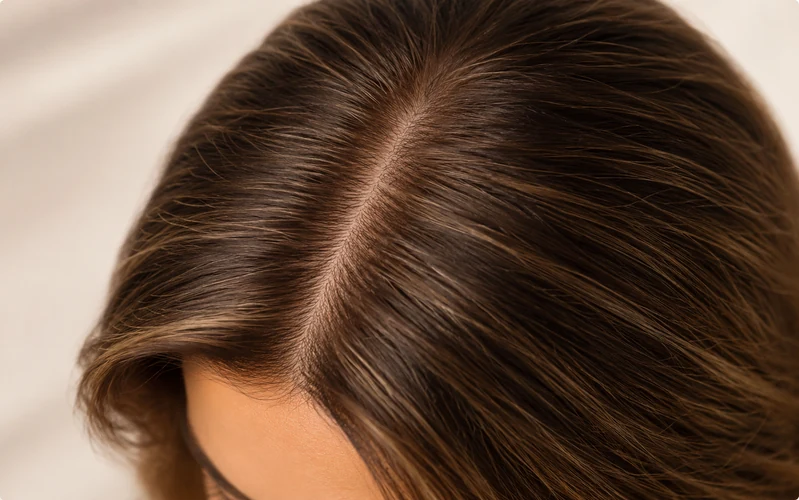
A silk top uses a layered crown area that hides the knots beneath a scalp-toned surface. Its main purpose is a clean parting effect. However, the result still depends on the selected silk tone, part width, density around the part, and how the top joins the rest of the cap. “Silk top” does not tell you whether the front is lace or whether the back is wefted.
2. Lace top sheitels
A lace top ties hair into a mesh top without a silk layer covering the knots. It can feel lighter and allow more airflow through that zone, while knot visibility and part realism depend on lace color, knot work, density, and finishing. Buyers comparing these two tops should inspect the actual sample rather than judging from the label alone. Our detailed lace top versus silk top comparison separates realism, ventilation, weight, and repair access.
Types 3 to 5
Types Defined by Cap and Coverage
3. Full lace sheitels
Full lace describes a cap in which lace extends across the head rather than appearing only at the front or crown. It can support broader directional styling, but the practical result depends on where seams, reinforcement, combs, elastic, and stretch panels are placed. A buyer should ask for interior-cap photographs and test the unit on the intended head shape.
4. Lace front sheitels
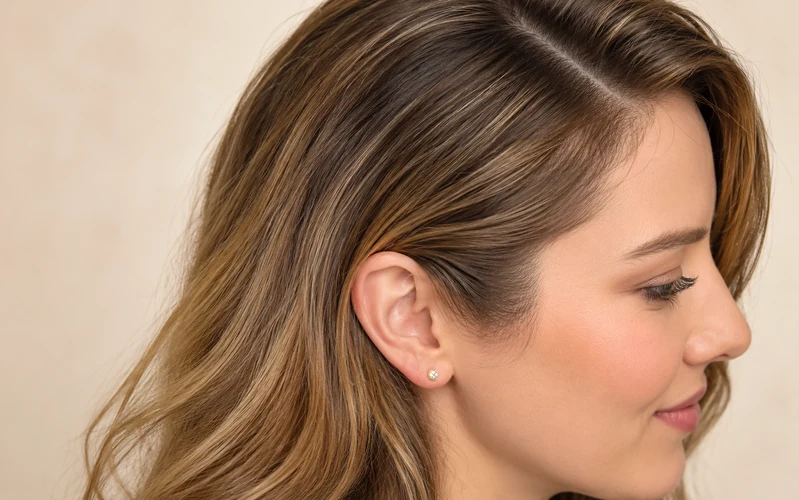
A lace front concentrates fine mesh at the front edge and uses another construction behind it. The label answers a hairline question, not a whole-cap question. Front depth, temple shape, ear-tab placement, transition density, and the finish behind the lace all need to be specified. For a deeper evaluation route, see the lace front sheitel buyer guide.
5. Hand-tied sheitels
Hand-tied means strands are individually secured in the named cap area. A unit may be fully hand-tied or combine hand-tied zones with wefts. Therefore, ask which zones are hand-tied and what base supports them. This avoids a common ordering error: assuming “hand-tied” automatically means full lace, free parting everywhere, or one fixed level of durability.
Type 6
Band Sheitels and Falls
A band sheitel or fall is a partial-coverage format designed to work with a headband, hat, scarf, or another planned covering. Terminology varies between retailers, so the buyer brief should state which hairline area remains covered by the accessory, how much natural hair or base may be visible, and where the piece must anchor.
This category should not be assigned by a community label alone. Coverage expectations, preferred layering, natural-hair placement, and local guidance can differ between individuals. A retailer or sheitel macher should confirm the client’s actual use case and, where religious guidance is needed, encourage her to consult her own rabbinic authority.
Type 7
Custom-Made Sheitels Are an Order Route
“Custom-made” is useful in a seven-type catalog, but technically it is not a cap construction. A custom sheitel can use a silk top, lace top, lace front, hand-tied cap, wefted zones, or a combination. What makes it custom is the controlled buyer brief: measurements, cap depth, stretch, ear position, top design, lace tone, density map, length, color, and finishing requirements.
At LEV Wigs, for wholesale lace front sheitels, the manufacturer’s contribution begins by translating the buyer’s brief into a sample that can be inspected consistently. A useful review records the unit and order reference, photographs the exterior and cap interior, checks symmetry and density transitions, and documents approved changes before a reorder. This is a process insight, not a promise that every head shape can be solved by the word “custom.”
For the full ordering workflow, use our bespoke sheitel commission page. It keeps measurement and sample decisions separate from the seven construction labels explained here.
Buyer Decisions
Choose by Use Case, Not by a “Best” Label
There is no single best Jewish wig type. Start with the client task. Does she need a defined parting area, a particular front edge, flexible direction through the whole cap, or a fall that sits under another covering? Next, record fit variables: whether the cap sits over natural hair, the measured circumference and depth, where pressure or movement occurs, and how the unit will be secured.
Then compare a physical sample under ordinary conditions. Review the part in daylight and indoor light. Inspect the cap interior rather than only the styled exterior. Check whether the front, crown, sides, and nape behave as the brief requires. Finally, record the approved sample reference. These steps make a repeat order more reliable than choosing from a product name alone.
- Daily wear: prioritize verified fit, stable construction, repair access, and a realistic care routine.
- Event styling: specify the intended parting, front exposure, movement, and updo requirements.
- Headband or hat use: define coverage boundaries and accessory placement before choosing a fall.
- Boutique assortment: sample distinct client tasks instead of stocking several names that solve the same task.
Before Sampling
Questions to Ask Before Choosing a Type
- Which part of the request concerns the top, front, cap, or coverage format?
- Where must the client be able to part or redirect the hair?
- Will the unit sit over natural hair, against the scalp, or beneath another covering?
- Which interior-cap photos and measurements will confirm the specification?
- What sample will become the approved reference for production and reorders?
FAQ
Frequently Asked Questions
Orthodox Jewish women who choose wigs may wear several sheitel constructions, including silk top, lace top, lace front, full lace, hand-tied, or partial-coverage falls. Choice varies by individual fit, coverage needs, community practice, budget, and styling task; no single construction represents every Orthodox woman.
A full wig is intended to provide the planned coverage through its cap. A fall or band sheitel is designed to work with another covering, such as a headband, hat, or scarf. Because retailer terminology varies, confirm the coverage boundary, anchor points, and accessory placement before ordering.
No. Custom-made describes the order and fitting route, not one fixed cap. A custom unit may combine a silk or lace top, a lace front, hand-tied or wefted zones, and selected stretch panels. The approved measurement, cap, density, color, and finishing brief defines the order.
Natural appearance depends on more than the type label. Parting construction, lace or silk tone, knot work, hairline shape, density distribution, color, cut, and fit all contribute. Compare the actual sample under consistent lighting and inspect both the exterior and cap interior before approving a boutique order.
A boutique can discuss a focused sample plan with LEV Wigs before a larger order. The strongest plan compares constructions tied to distinct client tasks, then records measurements, cap zones, density, color, photographs, and approved revisions. Use the LEV Wigs inquiry page to outline the intended assortment.
Practical Takeaway
Turn a Type Name into a Complete Sheitel Brief
The seven labels are useful only when each one is attached to the design layer it describes. Separate the top, front, cap, coverage, and order route; then document fit and styling requirements. That method gives retailers, sheitel machers, and manufacturers a shared vocabulary and reduces ambiguity during sample review.


Build a Clearer Sheitel Sample Brief
Tell LEV Wigs which top, front, cap, coverage, fit, density, and color requirements your boutique needs to evaluate.
Request a Consultation