How Long Does a Sheitel Last? Human Hair Wig Lifespan
How long does a sheitel last? This guide explains why construction, care, wearing habits, and rotation matter more than one universal replacement date.
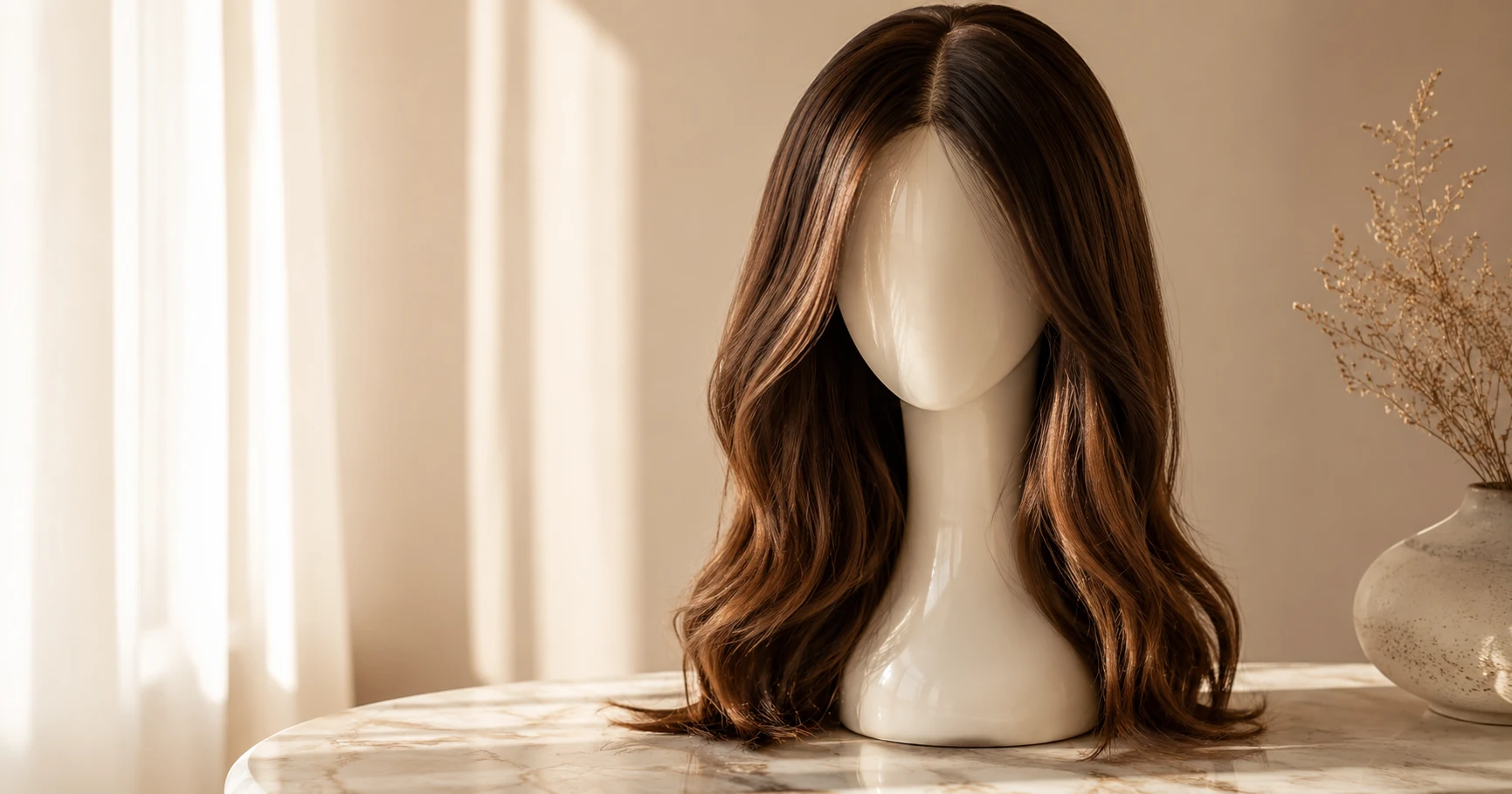
Some Orthodox Jewish women wear sheitels for long daily schedules, which makes this category a demanding use case for a human hair wig. Therefore, when buyers ask how long does a sheitel last, occasional-fashion estimates are not enough. Daily wear places repeated stress on the hair, knots, lace, and cap, so useful lifespan guidance must account for construction, care, and rotation.
For this reason, our Qingdao workshop evaluates sheitel durability through repeatable inspection points: knot security, lace condition, cap shape, hair tangling, and shedding after brushing and washing. This guide explains how those signals help retailers and sheitel machers judge serviceability without promising one fixed lifespan for every wearer.
Data Note
There is no universal lifespan guarantee for a sheitel. Results vary with hair grade, ventilation, cap design, climate, styling, cleaning products, wearing frequency, and customer care. Use the service patterns below for planning, then verify performance with representative samples and repair records.
Key Takeaways
- A human hair sheitel may remain usable from months to several years, depending on construction and wear
- Double-knot ventilation provides a stronger mechanical hold than a comparable single knot
- Rotation spreads brushing, heat, washing, and friction across multiple units
- Replacement should be based on condition, especially shedding, lace damage, cap fit, and fiber quality
Durability Data
How Long Does a Sheitel Last? The Practical Answer
A human hair sheitel can remain wearable for months or for several years, but the range is broad because products and wearing patterns differ. A unit worn every day faces more heat, friction, washing, and handling than one used in rotation. Therefore, buyers should judge lifespan through condition and construction rather than treating one month count as a warranty.
The Four Variables to Inspect
The practical answer depends on four measurable variables: hair quality, ventilation technique, cap construction, and wearing habits. During production and repair intake, LEV checks these separately because a strong cap cannot compensate for damaged hair, and premium hair cannot compensate for failing lace or loose knots.
| Quality Tier | Expected Service Pattern | Effect of Rotation |
|---|---|---|
| Budget (Non-Remy) | Shortest useful life; dryness and tangling often appear sooner | Helps, but processing damage still limits recovery |
| Standard (Remy) | Moderate service life when cuticles remain aligned and care is consistent | Spreads heat, washing, and friction across units |
| Premium (Virgin, Double Knot) | Longest service potential when hair, knots, lace, and fit remain stable | Best opportunity to preserve appearance and delay concentrated wear |
What Determines Lifespan
4 Factors That Determine Sheitel Lifespan
1. Hair Quality and Origin
In practice, hair quality is one of the largest contributors to usable lifespan. Virgin hair that retains an aligned cuticle generally tolerates repeated washing, styling, and friction better than heavily processed alternatives. The cuticle layer helps limit moisture loss and tangling. By contrast, aggressive chemical processing can increase porosity, so strands may become dry and difficult to manage sooner.
Tip
For example, do not rely on a home water test to authenticate virgin hair. Floating and sinking can change with trapped air, product residue, strand diameter, and surface condition. Instead, ask the supplier for traceability, inspect cuticle direction under magnification, wash a sample repeatedly, and compare tangling and texture before approving a bulk order.
2. Ventilation Technique
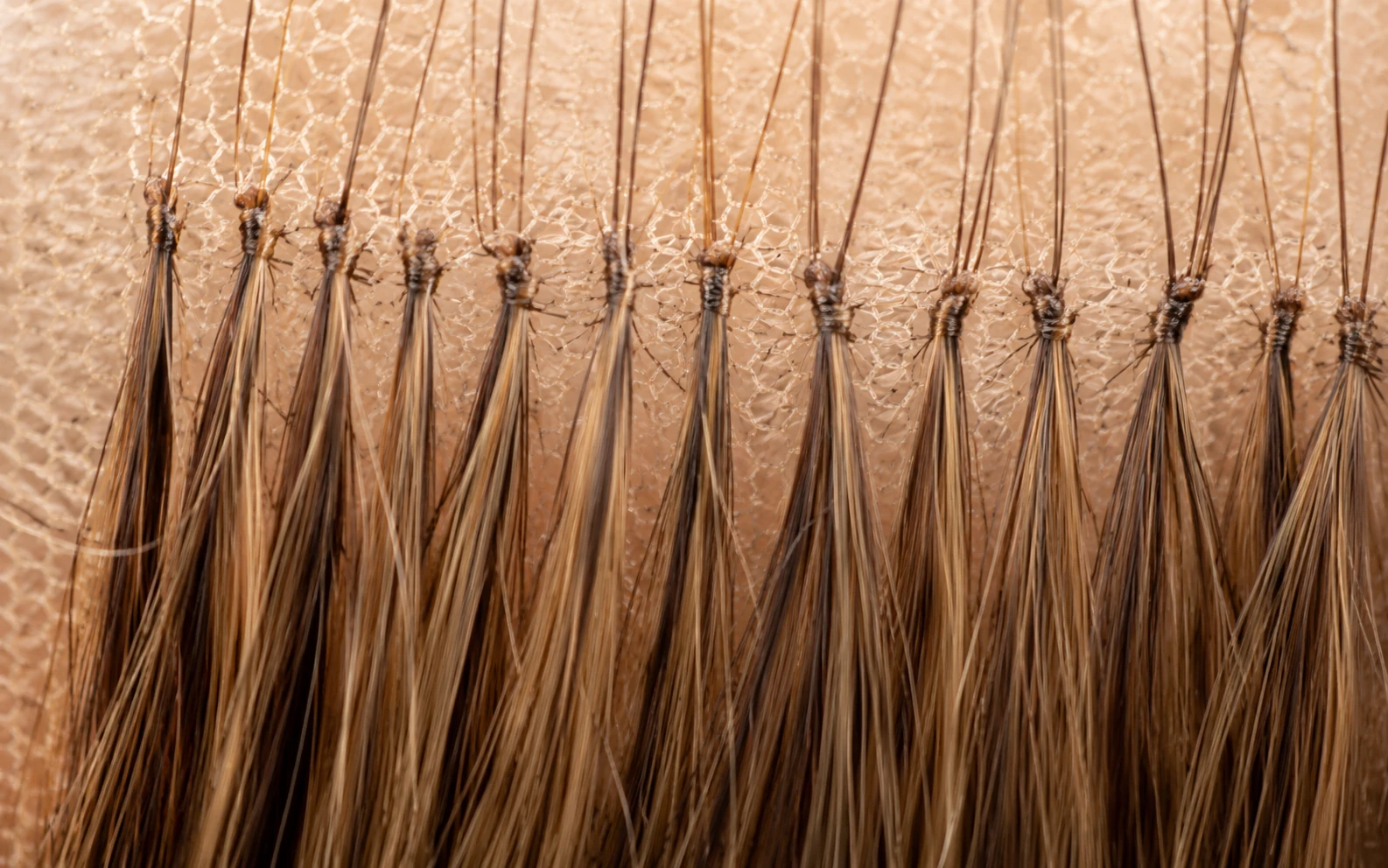
Similarly, ventilation changes both appearance and durability. A single knot is smaller and can look more delicate, whereas a double knot provides a stronger mechanical hold. Nevertheless, knot size, lace strength, bleaching, density, and handling all influence shedding, so buyers should compare finished samples rather than judging the knot type alone.
3. Cap Construction
For daily wear, Swiss lace around 0.08mm is a practical option because it balances a natural hairline with tear resistance. HD lace around 0.06mm can look more transparent, but its finer structure usually requires gentler handling. Meanwhile, silk top bases place a layered material over the knots for a scalp effect. Therefore, buyers should choose the base by balancing realism, repairability, and expected wearing frequency.
4. Wearing Frequency and Habits
Wearing frequency is often the most controllable variable. A client who wears one sheitel every day, sleeps in it, and cleans it inconsistently will usually see faster deterioration than someone who rotates several wigs. In addition, overnight friction can accelerate tangling, shedding, and knot loosening. Chlorinated or salt water can also leave hair dry and difficult to manage unless the wig is rinsed promptly and conditioned correctly.
Tip
Rotate two or three wigs when budget allows. Rotation gives each unit rest days, reduces repeated heat styling, and spreads washing and handling across the set. As a result, each wig may remain presentable longer than one unit exposed to the full daily routine.
Tip
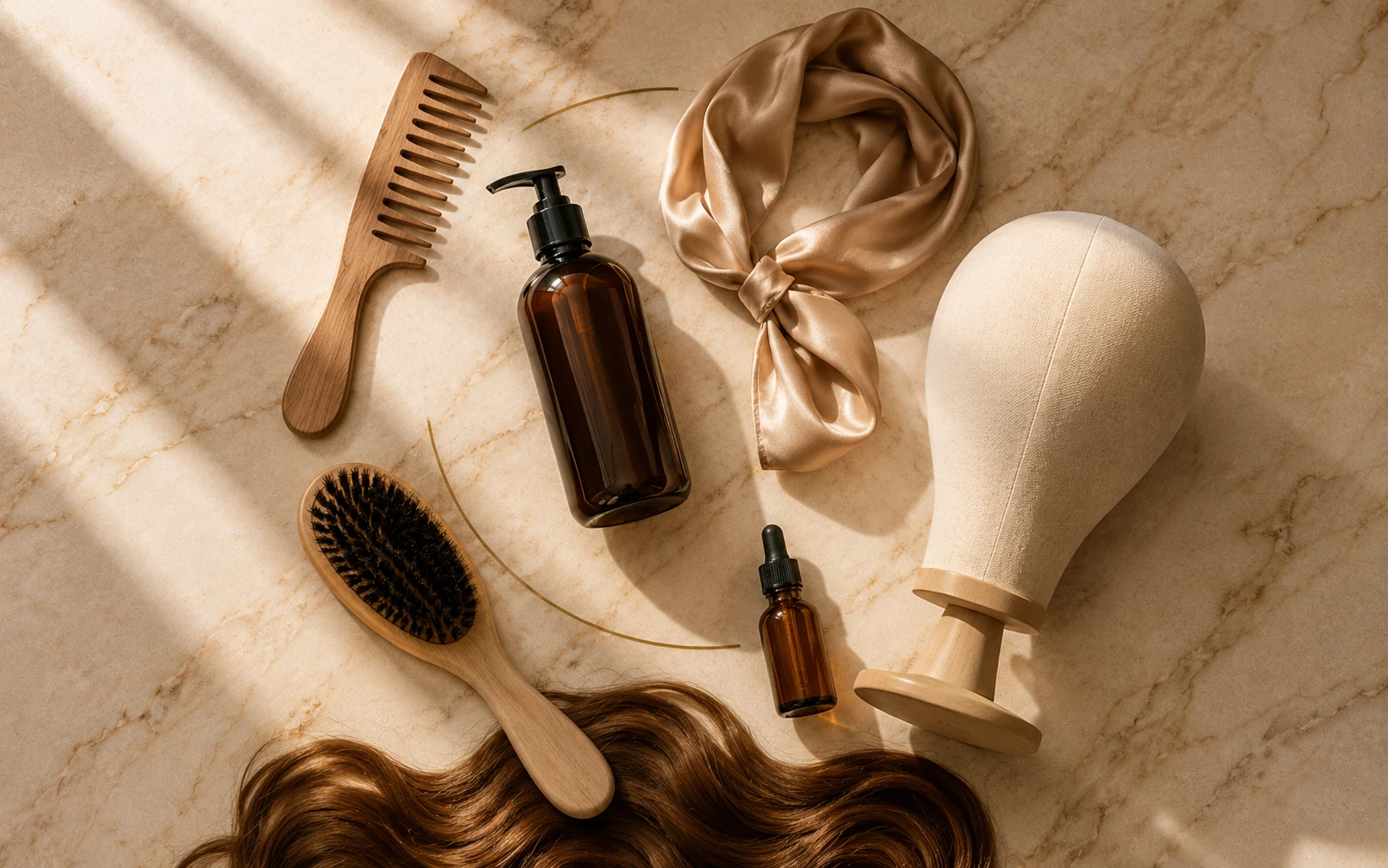
After each wear, comb from the ends toward the roots with a wide-tooth comb. This technique lowers the pulling force transferred to the knots and helps prevent small tangles from tightening into mats.
During repair intake, inspect the lace, knot stability, density loss, cap shape, and hair condition separately. A sheitel may need a local repair even when the rest of the unit remains serviceable.
LEV Workshop Repair Intake Checklist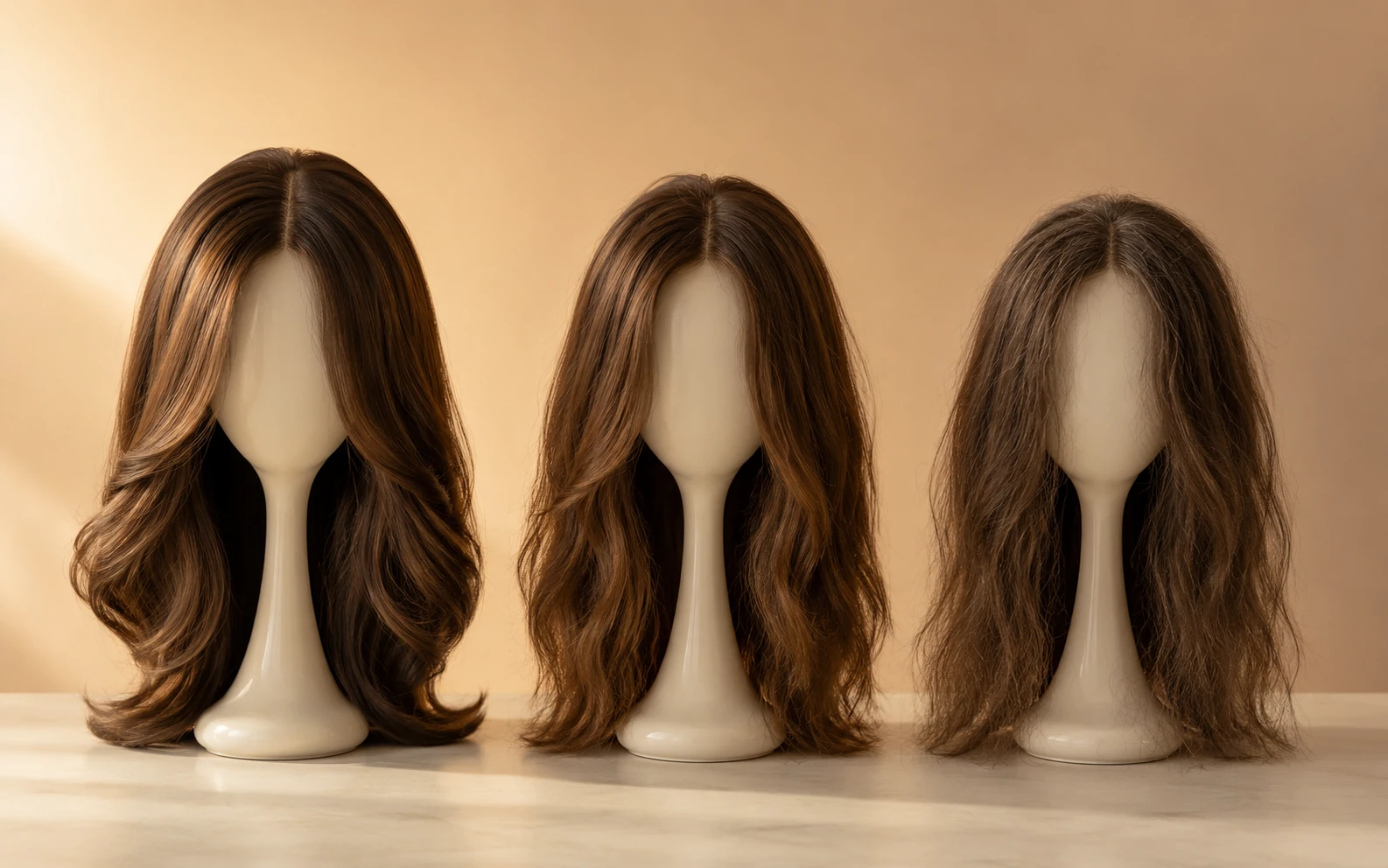
Care Schedule
Maintenance Schedule for a Longer Sheitel Lifespan
Proper maintenance is not complicated, but it must be consistent. The schedule below is what our Qingdao team recommends to wholesale partners and sheitel machers. With suitable products and gentle handling, it can reduce avoidable dryness, tangling, and knot stress. However, no care schedule can guarantee one fixed lifespan for every wearer.
Daily Care (30 seconds)
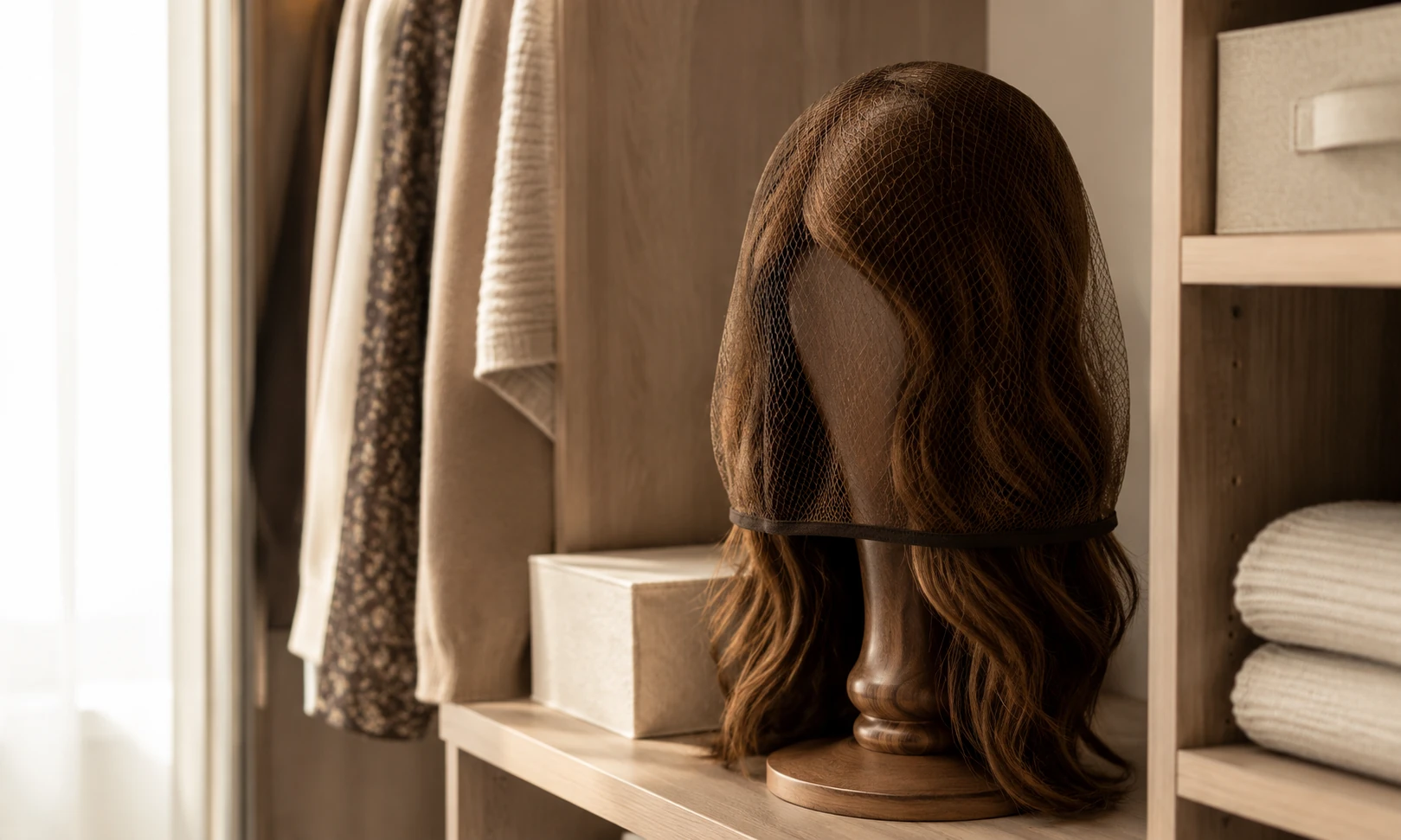
After removing your wig, run a wide-tooth comb gently through the lengths, starting at the ends and working upward. Then place it on a wig stand or canvas block rather than compressing it in a drawer. The stand helps preserve the cap shape and allows residual moisture to dissipate before storage.
Wash When Buildup Affects the Hair
This is the step many wearers get wrong. Use buildup, odor, styling-product use, climate, and advice from your sheitel macher to set the wash interval. Wet the wig with cool or lukewarm water, apply a mild shampoo in a downward motion, and rinse thoroughly. Next, apply conditioner from mid-length to ends while avoiding the knots. Blot without wringing, then air-dry. For detailed instructions, see our complete sheitel washing guide.
Professional Maintenance Before Damage Spreads
In addition, ask a professional sheitel macher to inspect the unit when you notice loosening knots, lace separation, density thinning, cap distortion, persistent tangling, or loss of shape. Catching a local problem early can mean a focused repair instead of allowing damage to spread across the cap or hairline.
Note
Avoid hot water because it can increase color loss, dryness, and tangling, especially on processed hair. Instead, use cool or lukewarm water and minimize soaking time. Gentle handling during washing is more important than pursuing an exact water temperature.
Tip
If the ends feel dry after washing, apply a very small amount of lightweight serum or argan oil. Start with less than one drop, distribute it through the ends, and add more only if needed. Too much oil can create buildup and shorten the interval between washes.
| Care Level | Frequency | Time Required | Impact on Lifespan |
|---|---|---|---|
| Comb and Store | Daily | 30 seconds | Prevents knot stress and cap deformation |
| Light Detangling | Weekly | 5 minutes | Removes tangles before they become mats |
| Deep Wash | When buildup, odor, or styling residue affects the hair | 20-30 minutes | Removes product buildup, restores moisture |
| Professional Service | When early wear appears or on a schedule set by the sheitel macher | 1-2 hours | Knot tightening, early damage detection |
Replacement Guide
5 Signs a Sheitel Is Ready for Replacement
Therefore, knowing when to replace a wig is as important as maintaining it. Here are the five signals our workshop looks for when evaluating whether a repair or a replacement makes more sense:
1. Excessive Shedding — Occasional shedding is normal. However, a sustained increase despite gentle care can signal failing knots, damaged lace, or breakage that needs professional evaluation.
2. Lace Discoloration or Tearing — Meanwhile, the lace base should remain uniform in color and texture. Yellowing, thinning, or visible tearing at the hairline or crown means the base material is degrading beyond repair.
3. Loss of Elasticity and Shape — Similarly, a well-fitted wig should stay secure without constant adjustment. If the cap stretches and no longer sits firmly on your head, the elastic bands or weft structure have worn out.
4. Severe Split Ends Beyond Repair — By contrast, professional trimming can manage mild split ends. When splitting and breakage affect much of the length, repeated trimming may no longer restore a balanced shape or usable density.
5. Cap Loosening or Deformation — Finally, the wig shifts, slides, or lifts at the edges during normal wear. This indicates the cap structure has lost its original shape and fit, which no amount of styling can fully correct.
Repair or Replace?
Localized shedding, loose elastic, or a small lace tear may be repairable. Widespread fiber damage, repeated lace failure, or a cap that no longer holds its shape usually points toward replacement. Ask for a condition assessment before discarding an otherwise serviceable unit.
For pricing and cost-per-wear decisions, see the dedicated sheitel cost and value guide. Keeping pricing on that page lets this article focus on durability, condition, and care.
FAQ
How Long Does a Sheitel Last? FAQs
It can under favorable conditions, but several years should not be treated as a guarantee. Premium hair, secure ventilation, gentle washing, professional repairs, and rotation between multiple sheitels can preserve appearance longer. One unit exposed to daily heat, friction, and repeated washing will usually show wear sooner.
Yes. Pillow friction can increase tangling, shedding, dryness, and knot loosening. A silk or satin covering may reduce friction, but it does not remove the stress placed on the hair and lace. Removing the sheitel before sleep is the more reliable way to protect its construction.
Wash according to buildup, odor, styling-product use, climate, and guidance from your sheitel macher rather than following one rigid interval. Use cool or lukewarm water, a mild shampoo, and downward strokes. Keep heavy conditioner away from the knots, blot gently, and air-dry without twisting the cap.
FAQ
Construction and Sheitel Durability Questions
For daily wear, Swiss lace around 0.08mm is generally practical because it balances a natural appearance with tear resistance. However, a silk top protects the knots and creates a scalp effect while its layered membrane can separate over time. Therefore, LEV commonly recommends Swiss lace with double-knot ventilation for durability-focused orders.
Set expectations by construction and use rather than promising one fixed lifespan. Before approving a bulk order, test representative samples with the same hair grade, density, lace, ventilation, styling routine, and climate your customers will experience. Record shedding, tangling, lace stability, and cap fit after each test cycle.
Conclusion
How Long Does a Sheitel Last in Practice?
In practice, how long does a sheitel last depends on a simple formula: Hair Quality × Ventilation × Maintenance × Rotation. Construction sets the starting point, while care and wearing habits shape the result. Evaluate the hair, knots, lace, cap, and fit together instead of replacing a unit only because it has reached a certain age.
For wholesale buyers, the takeaway is straightforward: invest in double-knot construction, educate your clients on the maintenance schedule, and encourage rotation from day one. As a result, these actions can reduce avoidable complaints and build lasting client trust. Our workshop produces sheitels for demanding daily wear. Therefore, if you are evaluating suppliers for your store, request samples and compare construction, shedding, fit, and care performance before placing a bulk order.
Overall, buyers should verify durability through representative samples rather than promises alone. Ready to evaluate sheitels for daily Orthodox wear? Review our Orthodox buyer's guide, then contact the LEV workshop for sample options.


Need a Wig That Lasts?
Our Qingdao factory builds sheitels for daily Orthodox wear — double-knotted, Swiss lace, and tracked for real-world durability. Order samples for your store and experience the factory-direct difference.
Contact LEV Factory