Sheitel Guide
Sheitel Guide: How to Choose, Buy, and Care for Jewish Wigs

A sheitel is the wig worn by many married Orthodox Jewish women to cover their natural hair, and choosing one comes down to three decisions: the cap construction, the hair quality, and the supplier you trust. In this guide we compare lace top, silk top, and fully hand-tied caps, show practical sample checks that can flag questions about processing, explain what drives price from factory floor to retail shelf, and list the buying mistakes we see most often — from the production side. Drawing on our Qingdao production work, we share a manufacturing perspective: understanding how a sheitel is built, from the inside out, is the single most useful thing a buyer can know.
What This Guide Helps You Decide
In this sheitel guide, we cover cap construction types, hair quality verification methods, pricing structures from factory cost to retail shelf, and the most common buying mistakes we see from both individual women and wholesale buyers. As a result, whether you are purchasing your first sheitel or sourcing inventory for your store, the information here will help you make a more confident decision.
Key Takeaways
- First, cap construction is the #1 factor — Lace top, silk top, and fully hand-tied each serve different needs, climates, and budgets.
- In addition, hair quality can be checked on a sample — Visual, combing, wash-and-dry, and documentation checks help identify questions that deserve supplier clarification.
- However, price reflects labor, not just hair origin — two sheitels at very different price points can use similar hair; the difference is in construction hours.
- Meanwhile, personal and community guidance varies — Record the wearer's required coverage and preferred appearance instead of inferring them from a neighborhood or label.
- Finally, factory-direct sourcing removes middle layers — Understanding the supply chain helps you find the right supplier at the right price.
Foundation
Sheitel Meaning, Individual Guidance, and Daily Wear
A sheitel (Yiddish: שייטל) means a wig and, in this context, refers to a wig worn by some married Jewish women as a form of hair covering. Practice, required coverage, and acceptable appearance vary by individual guidance and community.
A sheitel is also evaluated differently from a fashion wig. The buyer must consider her own halachic guidance and community practice alongside daily-wear durability, fit, and the appearance she wants; these priorities vary between wearers and communities.
Religious interpretation belongs with the wearer's rabbi or another trusted authority. A product brief should translate that guidance into measurable requirements such as coverage area, length, volume, hairline treatment, and whether another covering will be worn with the wig. For wider cultural context, see our article on why some Jewish women wear wigs.
Sheitel (Jewish Wig)
In this context, it serves as a form of hair covering. Construction may be lace top, silk top, hand-tied, wefted, or hybrid, with hair and durability varying by specification.
Fashion Wig
Its primary purposes include fashion, costume, and medical use. Wear is usually occasional or part-time, so the expected service life is much shorter. Construction is often machine-made or basic weft, while hair quality varies widely and is frequently synthetic.
Cap Construction
Sheitel Cap Construction: The Complete Breakdown
Why does the inside of a sheitel matter so much? Specifically, cap construction is the largest single factor in your comfort, appearance, and longevity. Hair quality matters, certainly, but if the base fits poorly or looks unnatural, even the finest hair cannot save the result.
Lace Top Sheitels
A lace top sheitel uses an open mesh lace fabric at the crown and front section. Next, individual hair strands are hand-tied through this mesh using a ventilation needle. As a result, the base stays lightweight, breathable, and close to the scalp. In addition, our Qingdao workshop works with a small set of lace grades, each suited to different wear patterns.
HD Lace
Swiss Lace
French Lace
Tip
Run your finger across the base of a lace top sheitel — if you feel raised bumps at the roots, the knots have not been bleached. Therefore, a well-finished lace top should feel smooth to the touch.
Silk Top Sheitels
A silk top sheitel sandwiches the hair knots between a top layer of silk fabric and a bottom layer of lace mesh. The silk layer creates a scalp-like appearance that hides all knots — no bleaching required. Therefore, this is the most realistic-looking cap construction available. The trade-off is weight and warmth: the triple-layer system is less breathable than single-layer lace. In addition, silk top sheitels cost more because the construction process takes considerably more time per unit at our factory; see our silk top wig options.
Fully Hand-Tied and Hybrid Caps
"Fully hand-tied" describes the knotting method, not the cap material. In addition, every hair on the entire cap is individually tied by hand, as opposed to machine-sewn wefts. For example, many premium sheitels use hybrid construction: a silk top crown for realism combined with a lace front for a natural hairline, and machine-wefted sides to reduce cost. As a result, our workshop produces each of these configurations and ships custom lace front wigs for retailers.
Note
Fine lace and layered silk bases age differently. Lace may show wear sooner at high-friction areas, while a silk top adds material and weight; actual service life depends on the specification, fit, wear pattern, care, and repair history.
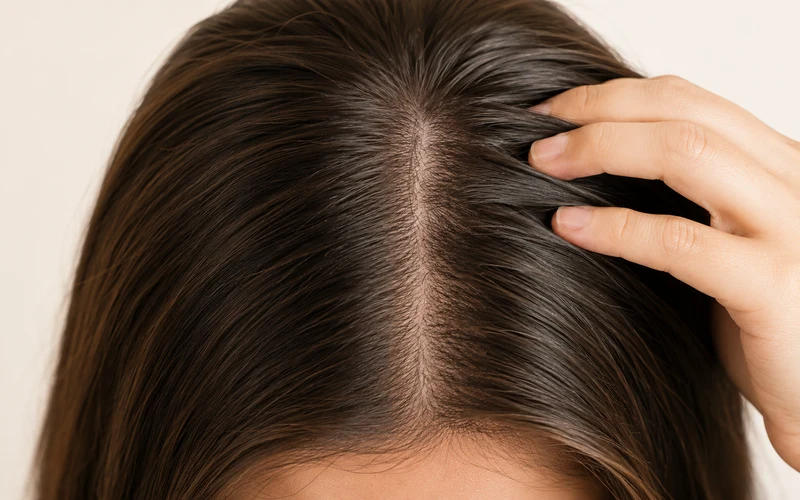
| Feature | Lace Top | Silk Top | Fully Hand-Tied | Hybrid |
|---|---|---|---|---|
| Scalp Realism | Good | Strongest scalp illusion at the part | High, depending on base and knot treatment | Construction-dependent |
| Breathability | High | Moderate | Very Good | Good |
| Daily Wear Life | Moderate | Long | Longest | Long, construction-dependent |
| Maintenance | Knot bleaching needed | No extra maintenance | No extra maintenance | Varies by zone |
| Wholesale Cost | $-$$ | $$-$$$ | $$$$ | $$-$$$ |
For a deeper technical comparison of these constructions, see our silk top vs lace top hair toppers guide and our complete lace top sheitel guide.
Hair Quality
Hair Quality and How to Verify It
How do you know if the hair in your sheitel is actually what the supplier claims? This is one of the most common concerns we hear from both individual buyers and wholesale clients. In fact, our Qingdao factory sources hair from multiple origins, and the quality difference between grades is significant — yet hard to spot without the right tests.
Virgin Cuticle
Remy Cuticle
Non-Remy
Synthetic Blend
Four Sample Checks You Can Perform Right Now
These checks work on any sheitel sample, new or used. They take only a few minutes and, together with supplier documentation, give a far more reliable picture than any single indicator.
- Visual cuticle and strand check: Examine a few strands under good light or a loupe. Consistent cuticle alignment, uniform natural shine, and strands of similar thickness suggest carefully sorted hair. Heavily coated hair often looks unnaturally glossy and can feel slick or slightly tacky.
- Gentle combing and tangle check: Comb the sample from mid-length to ends and record snagging, shedding, and end condition. Results can indicate how that sample behaves, but they do not prove hair origin or processing history by themselves.
- Controlled wash-and-dry on a sample strand: Wash a small strand with mild shampoo, let it air-dry, and record changes in texture, shine, coating feel, and tangling. Compare the result with the approved sample and supplier documentation rather than treating one observation as proof.
- Supplier documentation plus a known-sample comparison: Ask for the hair origin statement and processing disclosure, then compare the sample against a strand of verified hair you already trust. Consistency between documents and the physical sample matters more than any single home observation.
What the Checks Can and Cannot Tell You
| Check | Encouraging sign | Caution sign | Confirm with |
|---|---|---|---|
| Visual cuticle and strand check | Consistent alignment, uniform shine | Uneven texture, unnaturally high gloss | Loupe or supplier macro photos |
| Combing and tangle check | Smooth combing, minimal snagging | Quick matting at the ends | Repeat after a wash cycle |
| Wash-and-dry strand test | Behavior remains within the approved sample range | Unexpected change in texture, shine, coating feel, or tangling | Repeat on a second strand and compare with documentation |
| Documentation and comparison | Origin statement matches sample | Vague or missing processing disclosure | Written spec with the order |
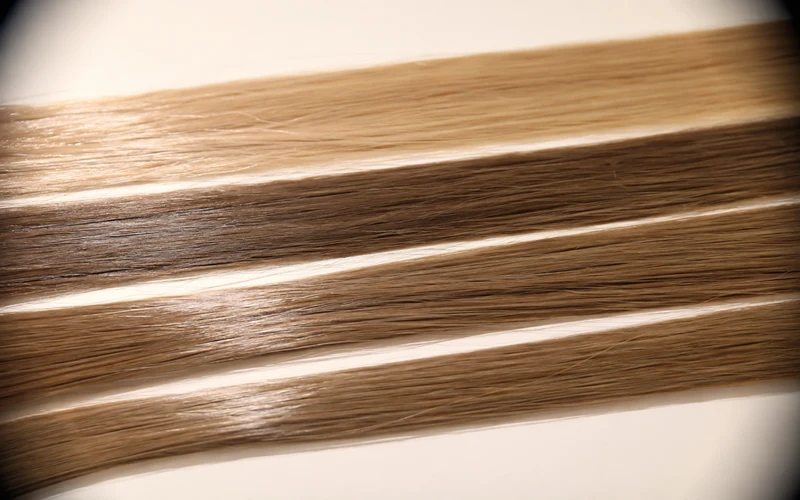
When comparing suppliers, ask which hair verification documents and inspection records accompany the shipment. In addition, for more on different Jewish wig types and their hair origins, see our types guide.
Pricing
Sheitel Pricing: From Factory Cost to Retail
Understanding how sheitel pricing works helps you evaluate whether you are paying a fair price. Below is a breakdown from our factory floor perspective — the same numbers apply whether you are buying one piece or placing a wholesale order of fifty.
- Raw hair — the largest cost blockSourcing, sorting, hackling, and alignment.
- Cap construction labor — the second largestHand-tying is measured in days of skilled work per unit, not hours.
- ProcessingWashing, conditioning, coloring, and setting.
- Quality controlMagnification inspection and rework.
- Shipping and overheadInternational freight, customs, and packaging.
Entry Lace Top
Mid-Range Silk Top
Premium Custom
Ultra-Premium
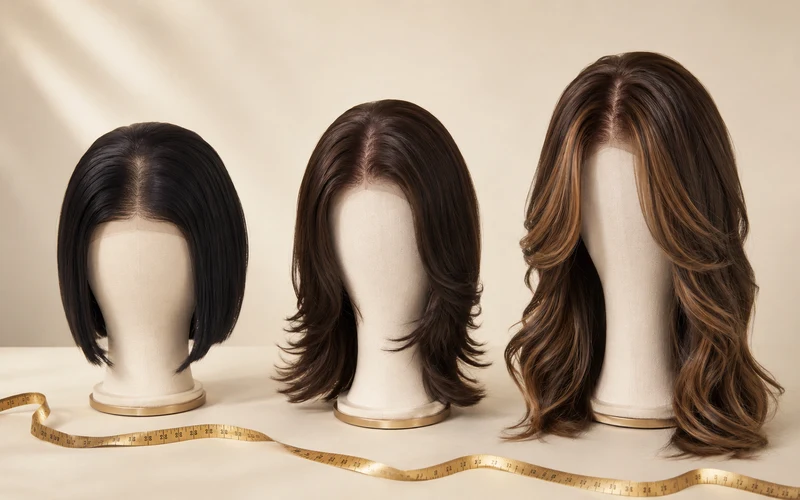
Notice the gap between wholesale and retail prices. Retail markup varies widely with the brand, the city, and whether you buy through a sheitel macher (personal wig stylist). By contrast, buying factory-direct eliminates the middle layers. At LEV, our Qingdao workshop ships sheitels to stores in Brooklyn, London, and Tel Aviv, so our wholesale clients retain a meaningful retail margin.
For more on evaluating suppliers and pricing structures, see our Orthodox buyer's guide.
Choosing
Matching Sheitel Construction to Daily Wear
Start With the Wearer's Guidance and Lifestyle
The wearer's own guidance should be the first filter. Confirm required coverage, length, volume, and styling boundaries with her rabbi or another trusted authority before converting them into a product specification.
Your daily routine determines cap construction. Women who work in professional environments and need multi-directional styling benefit from silk top. Meanwhile, those living in hot, humid climates may find lace top wigs more comfortable for all-day wear.
Plan Budget Around Rotation
Budget allocation works best when you plan for rotation. Specifically, buying two mid-range sheitels and rotating them daily extends the usable life of both considerably. As a result, that often costs less over time than buying one premium sheitel that wears out from uninterrupted daily use.
Hair density should be confirmed per client rather than chosen from a universal number: match her natural hair volume, head circumference and cap size, the silhouette she wants, her community's preferences, and an approved sample. A density far above her natural volume can look unnaturally thick, especially at the crown.
- Coverage and appearance: confirm individual guidance first.Record the resulting requirements in the order brief.
- Climate: choose lace for hot conditions and silk for temperate settings.This balances breathability against scalp realism.
- Budget strategy: rotate two mid-range sheitels daily.Rotation extends the lifespan of both units.
- Hair density: match the client's natural volume.Decide per client from her hair, cap size, silhouette, and an approved sample.
- Hair length: match community norms.Appropriate length varies by community.
Rotation Lifespan by Construction
Lace Top (Swiss)
Silk Top
Fully Hand-Tied
Tip
Order a physical sample before committing to a large wholesale order. Ask about the supplier's current sample terms, then run the checks in this guide on the actual product before investing.
Wait — aren't more expensive sheitels always better? Not necessarily. We have seen expensive sheitels with poor knot ventilation and modestly priced ones with impeccable craftsmanship. Price reflects labor hours and hair sourcing, but it does not guarantee quality. Therefore, verification methods matter more than price tags.
Common Errors
Five Sheitel Buying Mistakes to Avoid
Producing sheitels in our Qingdao workshop over the years, these are the mistakes we see most often — from both first-time buyers and experienced wholesale clients. Therefore, use this checklist as a final review before you approve a sample or place a wholesale order.
- Choosing density that is too highThis creates an unnatural "wiggy" look, especially at the crown. Match the client's natural volume and confirm with a sample.
- Ignoring cap constructionThe result may be the wrong base for your climate or lifestyle. Match construction to your daily wear conditions.
- Skipping quality verificationHair may mat, tangle, or shed within weeks. Run the sample checks in this guide on arrival and compare against the approved reference.
- Skipping community consultationThe sheitel may stand out for the wrong reasons. Ask your rabbi or trusted community members first.
- Not planning for rotationA single sheitel worn every day ages quickly. Budget for two and alternate daily.
You know what surprises most first-time buyers? The weight difference. A longer silk top sheitel is noticeably heavier than a shorter one — that weight difference surprises many first-time wearers. Therefore, we recommend starting with a moderate length and lighter density to get used to the feel before going longer.
FAQ
Buyer Questions on Sheitel Quality and Care
A sheitel is a wig worn by some married Jewish women as a form of hair covering. The appropriate coverage and appearance depend on the wearer's halachic guidance and community practice. Buyers also tend to evaluate fit, daily-wear comfort, construction, durability, and serviceability; a sheitel can use several cap and hair-quality levels, so the label alone does not prove quality.
There is no fixed lifespan. Service life depends on cap and hair specifications, fit, attachment, wear frequency, washing, heat, storage, and repair history. Gentle handling and rotating pieces may reduce concentrated wear, but buyers should assess the actual unit rather than rely on a construction label alone.
Human hair sheitels can be colored and heat-styled, though we recommend staying within two shades of the original color to preserve hair integrity. In addition, use heat protectant and keep styling tools at a moderate temperature. However, avoid applying direct heat to the cap base itself, since prolonged exposure weakens the construction bond over time.
Start by requesting a physical sample before placing a full order. Next, run the sample checks in this guide, then ask for hair origin statements, cap specifications, lead times, and QC steps. Ask the supplier to document its inspection method and the records provided with each shipment.
There is no universal density that suits every wearer. Match the density to her natural hair volume, head circumference and cap size, the silhouette she wants, and her community's preferences, then confirm against an approved sample. Going far above her natural volume can create an unnaturally thick appearance, especially at the crown.
Conclusion
Choosing the Right Sheitel for Your Needs
Choosing the right sheitel comes down to three decisions: cap construction, hair quality, and supplier trustworthiness. Lace top offers breathability and lower cost. By contrast, silk top delivers unmatched realism and lower maintenance. Fully hand-tied provides maximum longevity. Therefore, your community standards, climate, and budget determine which combination works best.
| Priority | Recommended Construction | Budget Range | Best For |
|---|---|---|---|
| Maximum realism | Silk top | Mid to high | Professional and social settings |
| Hot climate comfort | Lace top (Swiss) | Entry to mid | Tropical and humid regions |
| Longest lifespan | Fully hand-tied | High | Long-term daily investment |
| Budget-conscious | Lace top (French) | Entry | First-time buyer |
| Best value | Two mid-range, rotated | Mid | Most daily wearers |
If you are evaluating sheitels for personal use or wholesale inventory, contact our team to discuss current sample availability, specifications, pricing at your target volume, shipping options, and production lead time.



Ready to Find Your Perfect Sheitel?
Whether you're a first-time buyer or a wholesale client building inventory, our team in Qingdao is ready to help you select the right sheitel construction, hair type, and specifications for your needs.
Request Wholesale Pricing