Care Guide
The European Hair Sheitel Care Guide
European hair wig care guide by LEV Wigs — a kosher wig manufacturer based in Qingdao, China, specializing in hand-tied European hair wigs for the Jewish community. Written by the artisans who make them.
Core Principles
Essential Care Principles
Five foundational rules that protect your European hair sheitel investment. Furthermore, these principles apply whether you own one sheitel or manage an entire inventory for your store.
01
Gentle Handling
European hair is the finest and most delicate hair type used in wig construction. Therefore, always handle your sheitel with care. Avoid pulling, tugging, or aggressive brushing. Specifically, support the cap at the crown while detangling to reduce stress on the hand-tied knots. A gentle approach extends the life of your investment by years.
02
Minimal Washing
Unlike natural growing hair, your sheitel does not receive scalp oils. Consequently, washing too frequently strips away the moisture the hair needs to remain soft and manageable. The LEV care guide recommends washing every 10 to 15 wears. Additionally, always use sulfate-free products specifically formulated for human hair wigs to preserve the cuticle layer.
03
Proper Storage
How you store your sheitel when not wearing it directly impacts its longevity and appearance. Always place it on a wig stand or mannequin head to maintain shape and ventilation. Moreover, cover with a hair net and store inside a breathable cotton or silk bag. Never store a damp wig, as moisture encourages mold growth that permanently damages European hair fibers.
04
Professional Maintenance
Schedule regular visits to a sheitel macher every 3 to 6 months for professional washing, deep conditioning, and styling. A professional can also assess cap fit, repair loose knots, and address early signs of wear before they become costly problems. Notably, professional maintenance is the single most effective way to extend sheitel lifespan beyond average expectations.
05
Quality Products Only
The products you use on your European hair sheitel determine its long-term condition. Budget approximately $100 to $200 per year for quality care products, which is a fraction of the $2,000 to $5,000 investment you are protecting. Avoid products containing sulfates, alcohol, or heavy silicones. Instead, choose wig-specific formulations designed for delicate European hair fibers.
Maintenance Protocol
The 5-Step Care Process
Your complete LEV care guide maintenance protocol. Each step is designed to protect your European hair sheitel investment and extend its lifespan to 3 to 5 years with proper care.
Step 01
Gentle Detangling
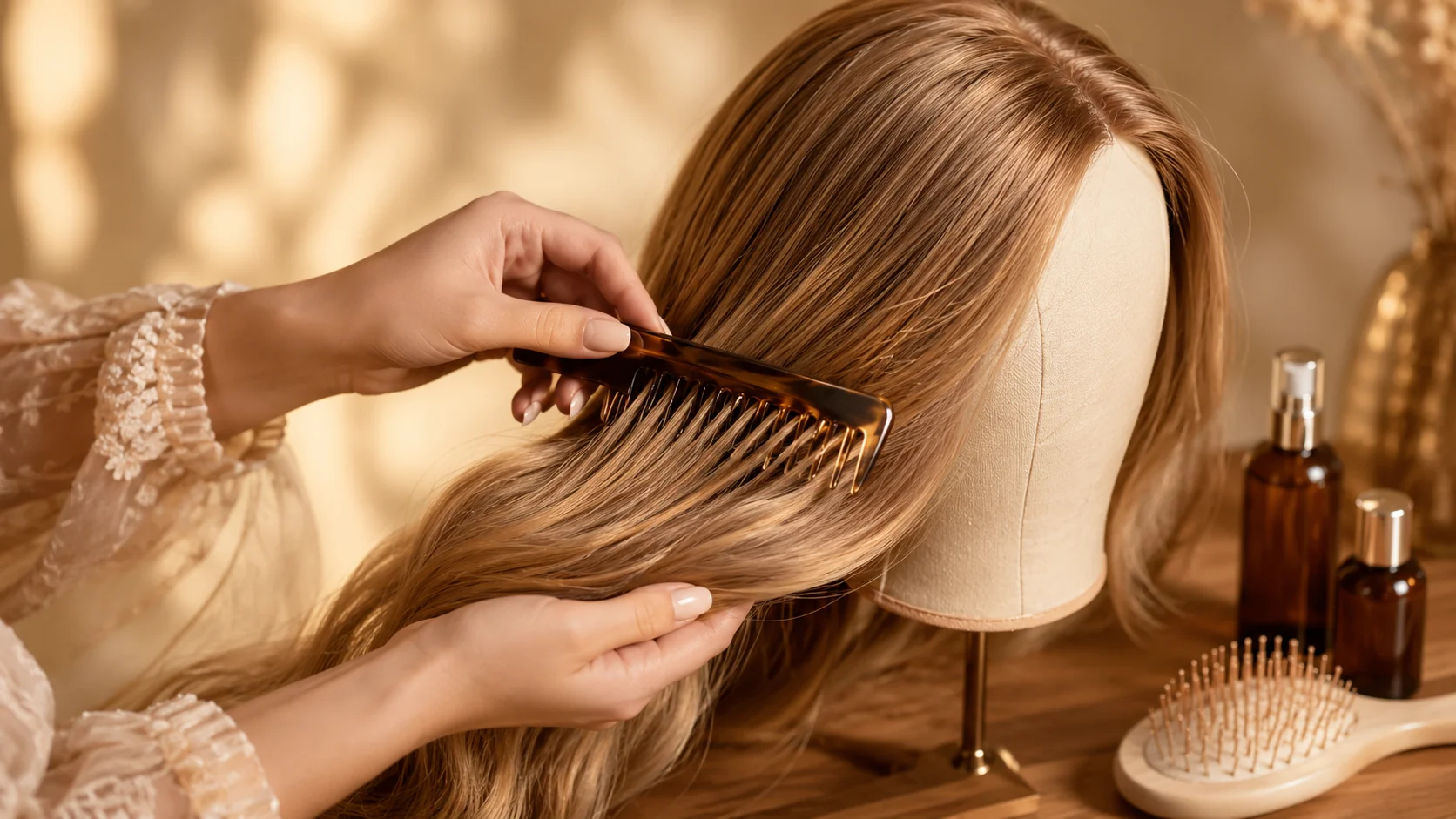
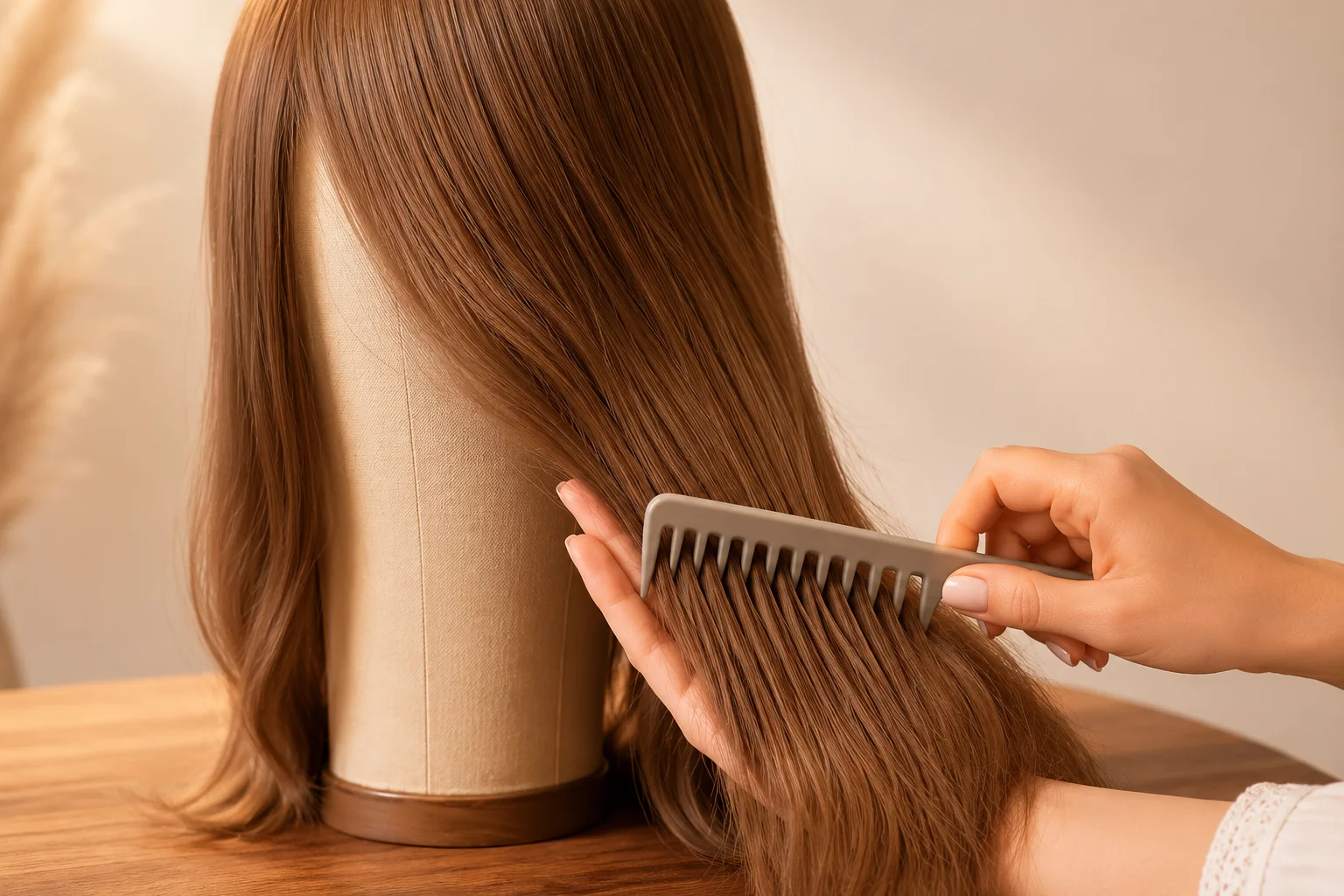
Daily brushing is the single most important habit for maintaining your European hair sheitel. Furthermore, consistent detangling prevents matting, reduces friction damage at the nape, and distributes any residual conditioning products through the hair fibers.
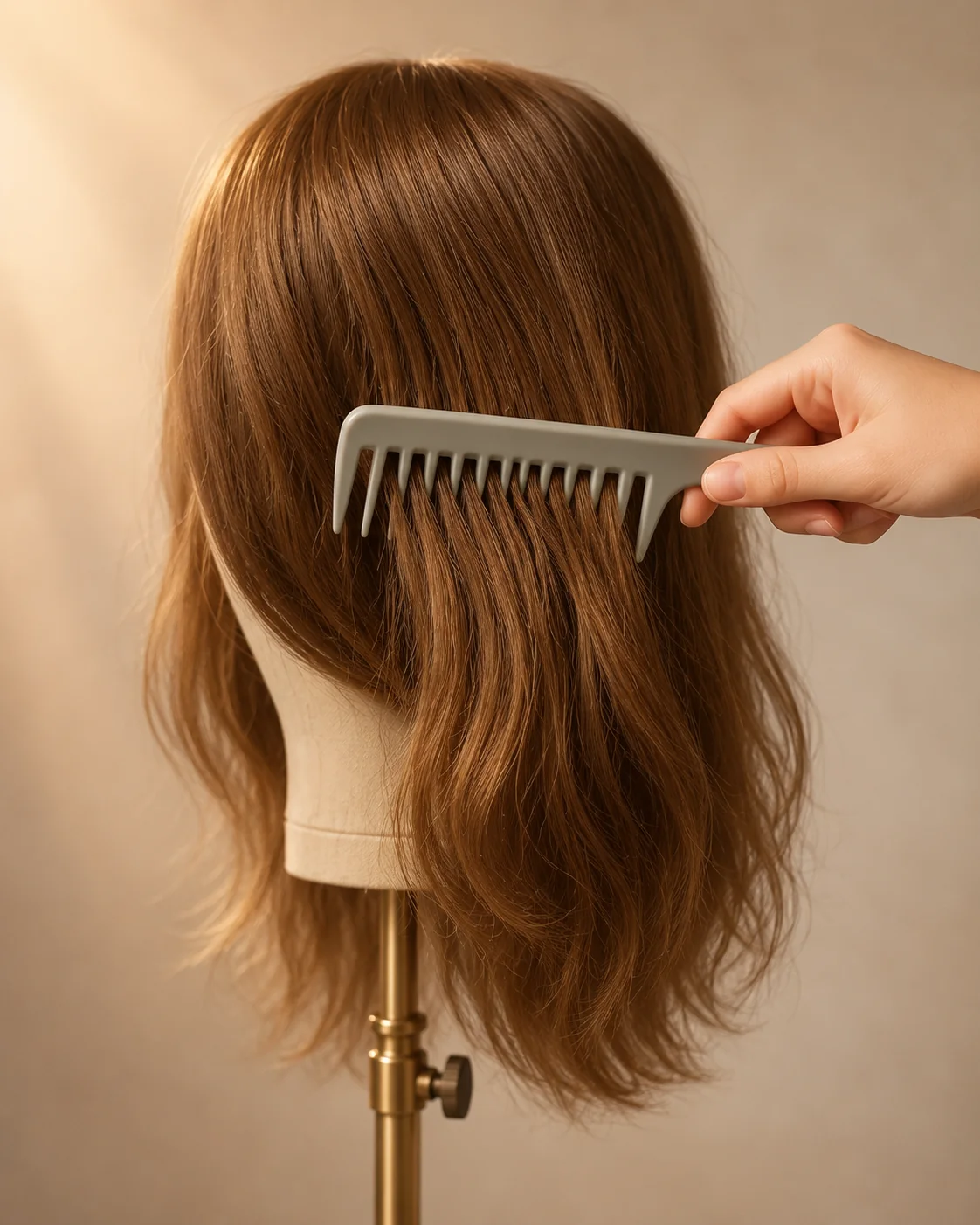
- Start from the ends and work upward to the roots in 2-inch sections. Never brush from the roots down, as this forces tangles together and causes breakage.
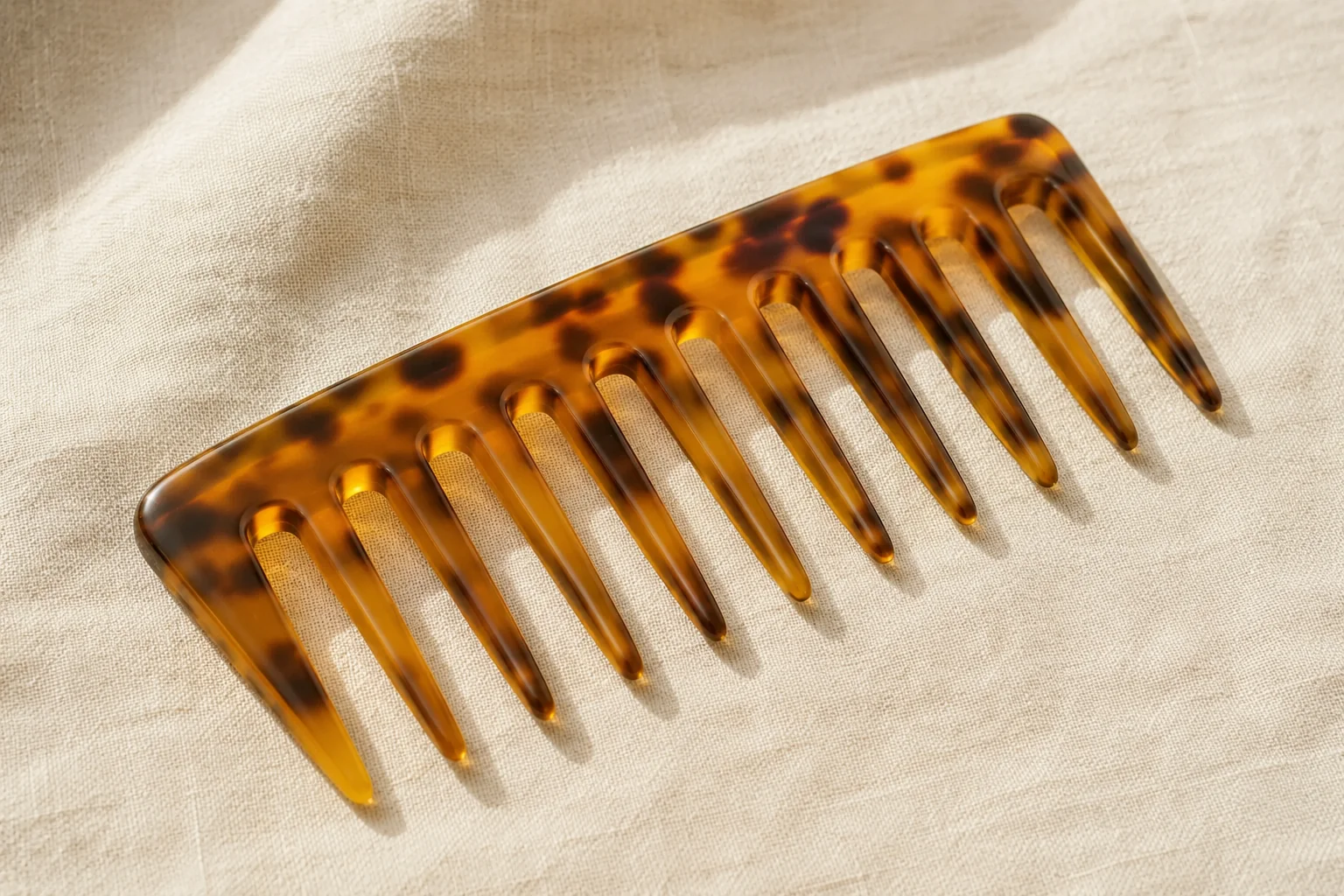
- Use a wide-tooth comb or a specialized wig brush with looped bristles. Avoid standard hairbrushes with ball-tipped bristles, which can catch on hand-tied knots.
- Support the cap by holding the wig at the crown while brushing. This reduces stress on the ventilation points where each hair strand is hand-tied to the lace.
- Brush the nape area last and with extra care. The nape experiences the highest friction from collars and scarves, making it the most tangle-prone zone on any sheitel.
Additionally, a light mist of leave-in conditioner spray before brushing helps the comb glide through without snagging. This small step makes a significant difference over months of daily wear.
Step 02
Washing Your Sheitel
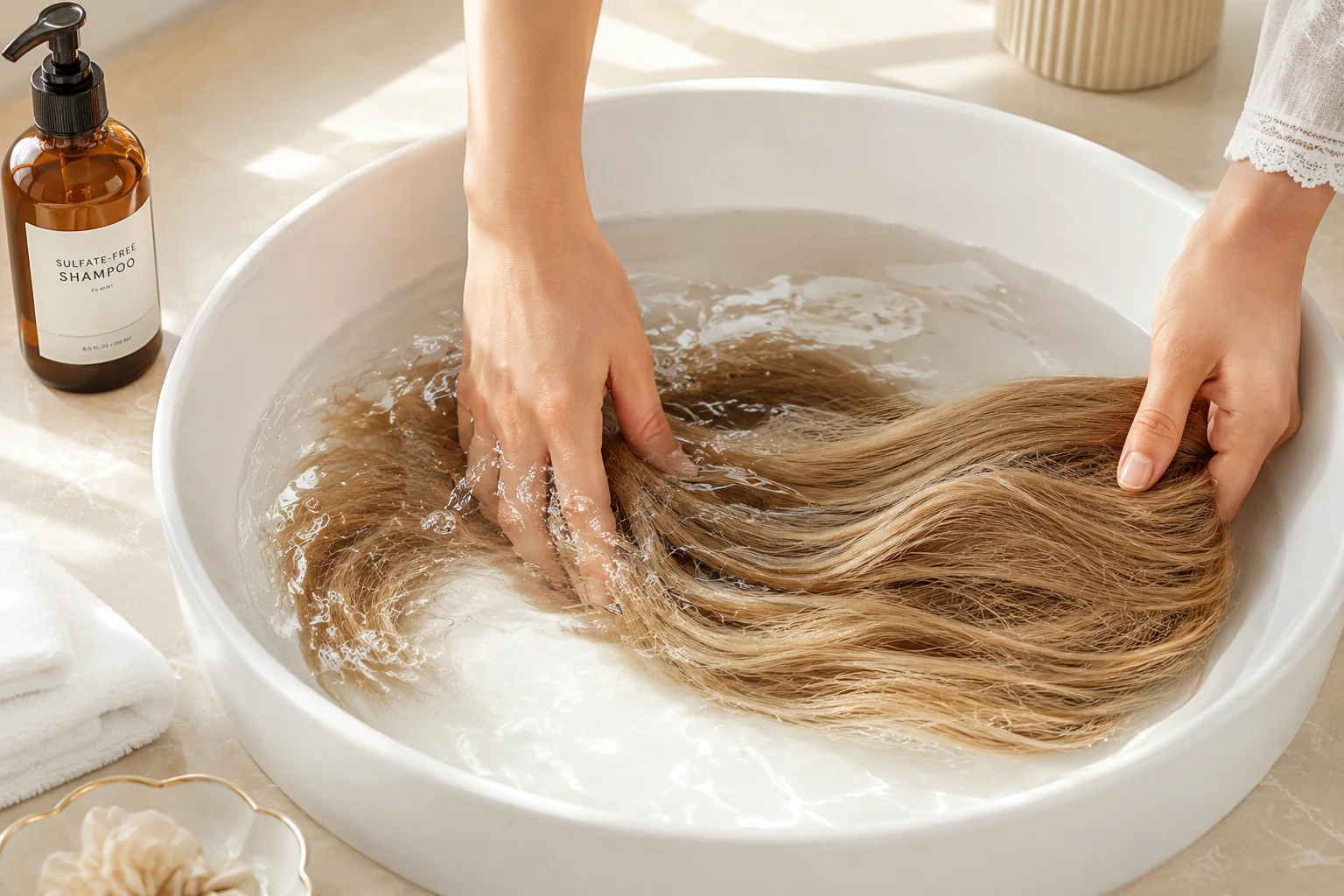
Washing your European hair sheitel requires a specific technique that differs from washing natural hair. Because the wig does not receive scalp oils, it needs gentler treatment and less frequent washing. The LEV care guide recommends washing every 10 to 15 wears, or approximately every 2 to 3 weeks with daily use.
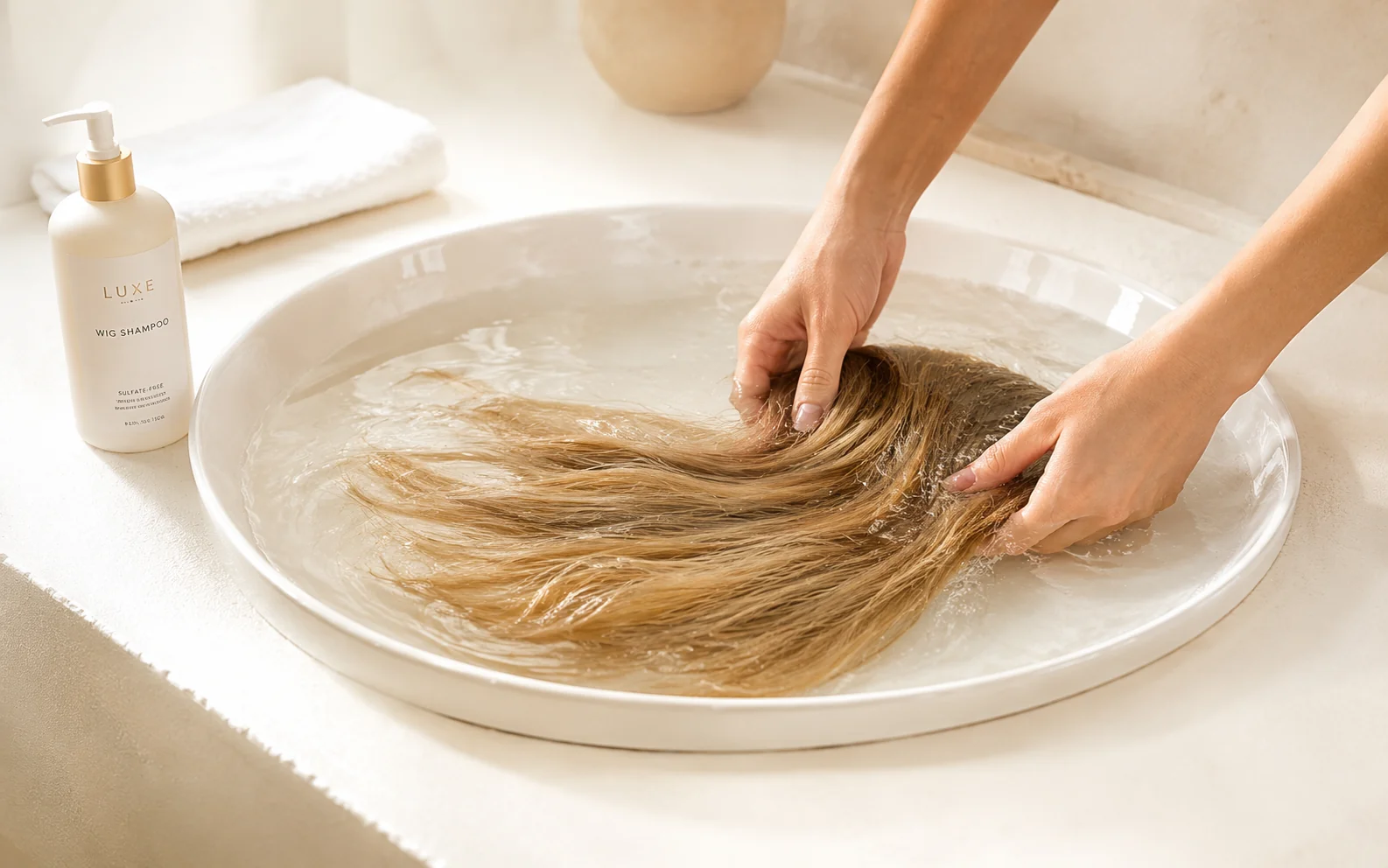
- Fill a basin with lukewarm water between 30 and 35 degrees Celsius. Hot water opens the cuticle layer and causes permanent damage to European hair fibers.
- Dissolve a small amount of sulfate-free shampoo into the water before submerging the wig. Never apply shampoo directly to the hair.
- Submerge the sheitel and gently swish it through the water in a downward motion for 3 to 5 minutes. Do not rub, wring, or scrub the hair.
- Rinse thoroughly under cool running water until all shampoo residue is removed. Residual shampoo causes buildup that makes hair appear dull and feel stiff.
- Apply deep conditioner from mid-length to ends, avoiding the cap and hand-tied knots. Leave on for 5 to 10 minutes.
- Rinse with cool water to seal the cuticle layer. This final cool rinse is essential for locking in moisture and creating a natural shine.
Moreover, always wash your sheitel on a wig stand if possible, as this supports the cap structure during the weight of water saturation.
Step 03
Drying Techniques
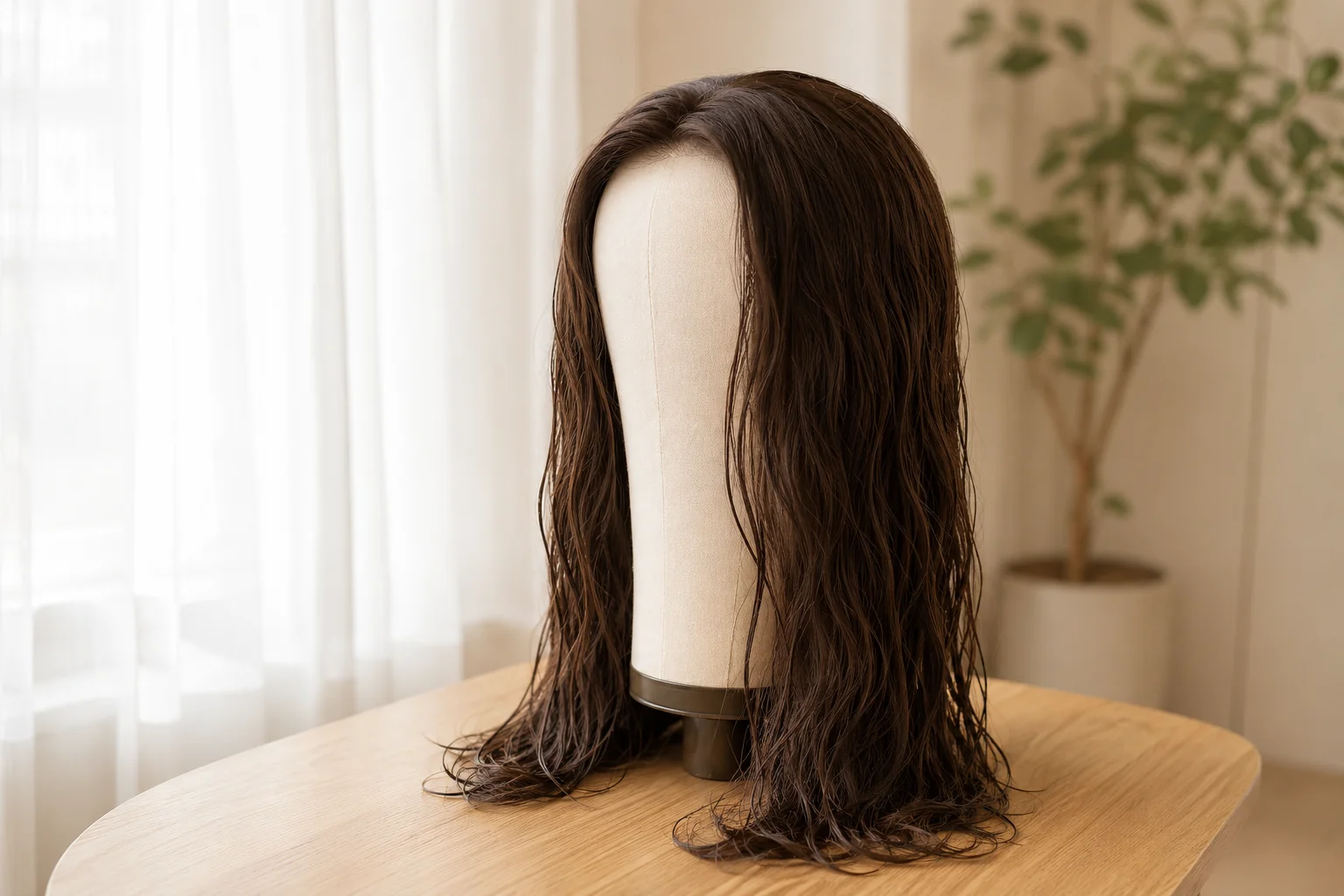
Proper drying technique is critical because European hair is most vulnerable when wet. The cuticle layer swells and opens in water, making the hair prone to damage, stretching, and breakage. Therefore, how you dry your sheitel matters as much as how you wash it.
- Blot excess water gently with a clean microfiber towel. Never wring, twist, or squeeze the hair. Press the towel against the hair in a blotting motion to absorb moisture without disturbing the cuticle.
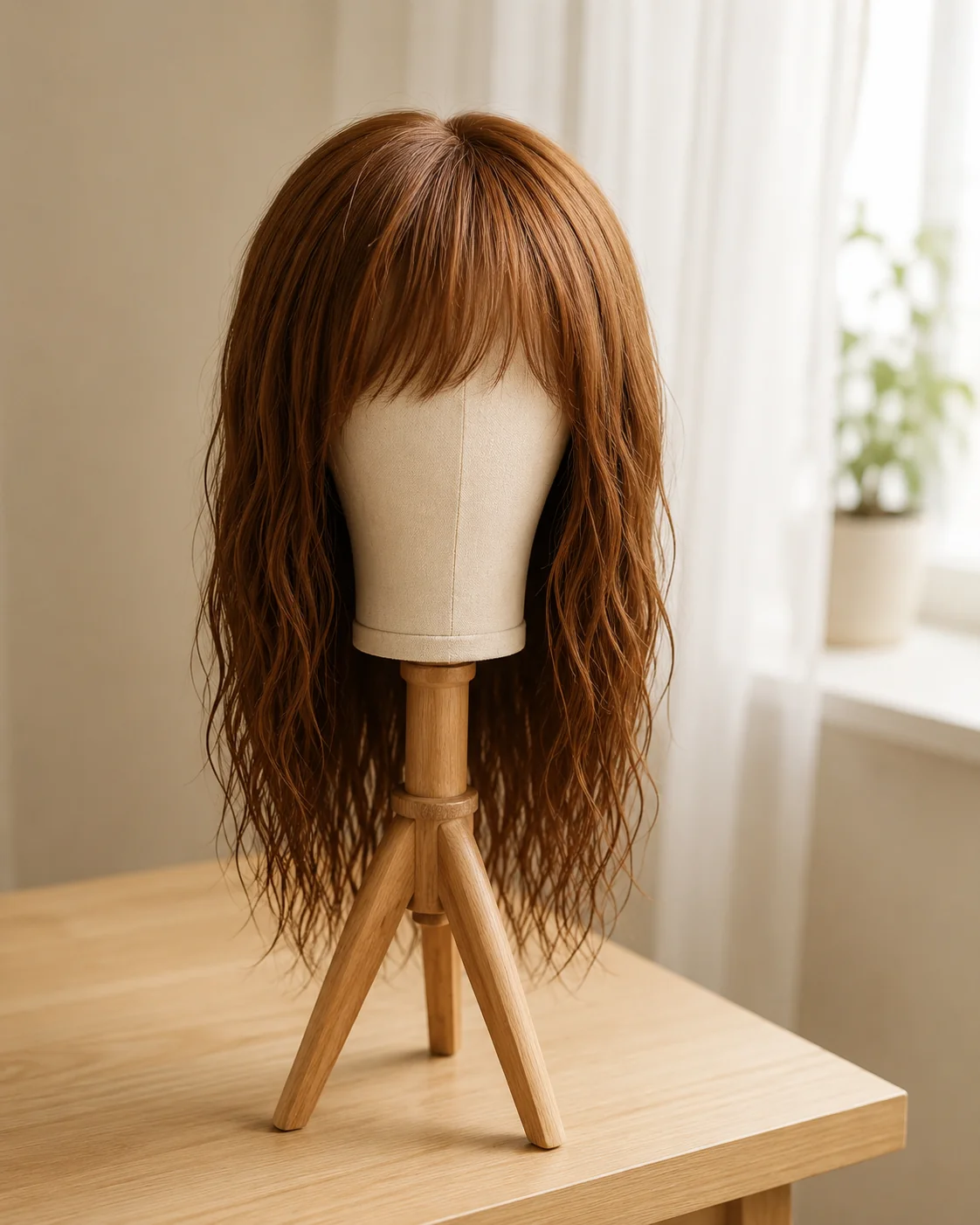
- Place on a wig stand immediately after blotting. A canvas block head or vented wig stand allows air circulation around the entire cap, promoting even drying.
- Allow 24 to 36 hours for complete air drying at room temperature. European hair is dense and holds moisture longer than synthetic alternatives.
- Position away from direct sunlight, radiators, heating vents, and humid areas. UV exposure fades color and weakens hair proteins. Heat sources cause uneven drying that leads to frizz and cuticle damage.
However, if you must use a hair dryer in an emergency, use the lowest heat setting with a diffuser attachment. Keep the dryer at least 30 centimeters away and move it continuously to avoid concentrating heat on any single area.
Step 04
Heat Styling
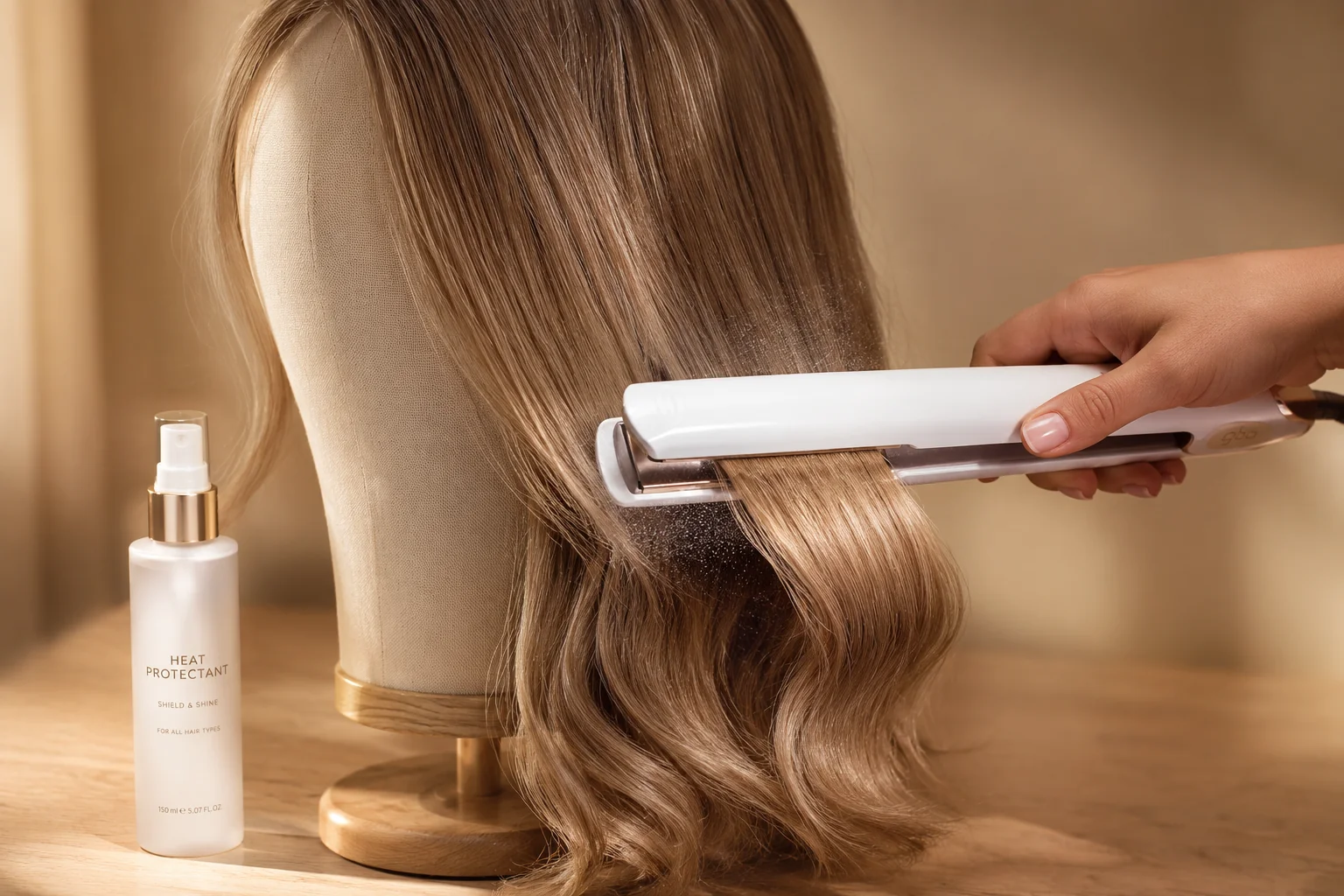
European hair can be heat styled, but temperature control is essential. The critical threshold is 200 degrees Celsius, above which irreversible cuticle damage occurs. Therefore, the LEV care guide recommends keeping all styling tools below 150 degrees Celsius, or 300 degrees Fahrenheit, well below the danger threshold that causes cuticle damage.
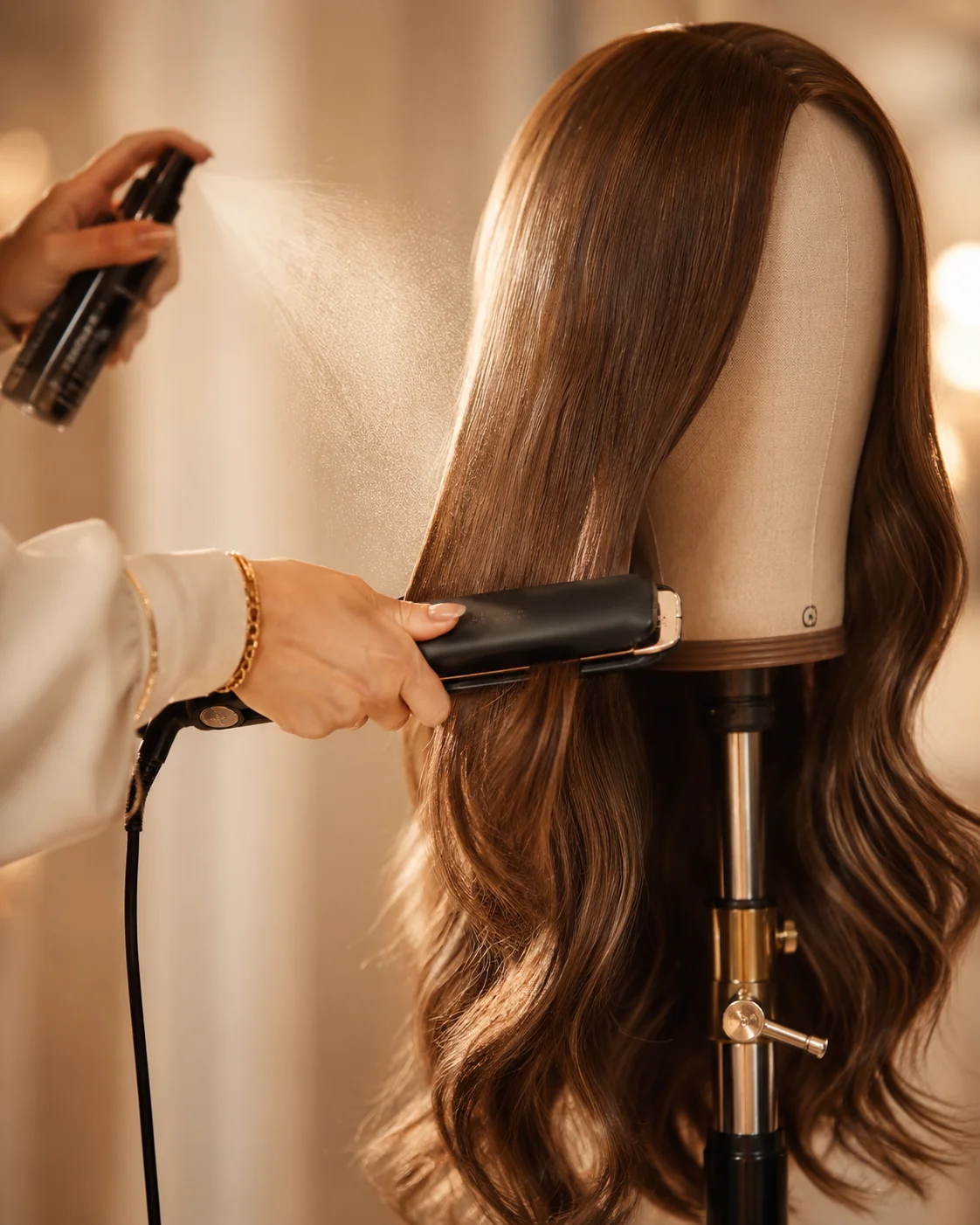
- Always apply heat protectant spray before using any heated styling tool. This creates a protective barrier between the hair cuticle and the heat source.
- Use ceramic or tourmaline-plated tools for even heat distribution. Metal-plated tools create hot spots that can scorch European hair fibers.
- Limit heat styling to once or twice per week. Between sessions, use heatless styling methods such as flexi-rods, silk rollers, or pin curls to maintain your look without thermal stress.
- Test tool temperature on a tissue before applying to the wig. If the tissue scorches or discolors, the tool is too hot for European hair.
Additionally, consider having your sheitel styled by a professional sheitel macher after washing. Professional styling maintains the shape longer and reduces the frequency of at-home heat styling sessions, which ultimately preserves the hair integrity over years of wear.
Step 05
Proper Storage
Proper storage is the final and often most neglected step in European hair sheitel care. How you store your wig when not wearing it directly impacts its shape, style retention, and long-term fiber health. In fact, incorrect storage is responsible for more preventable damage than any other single factor in the LEV Wigs sheitel care guide.
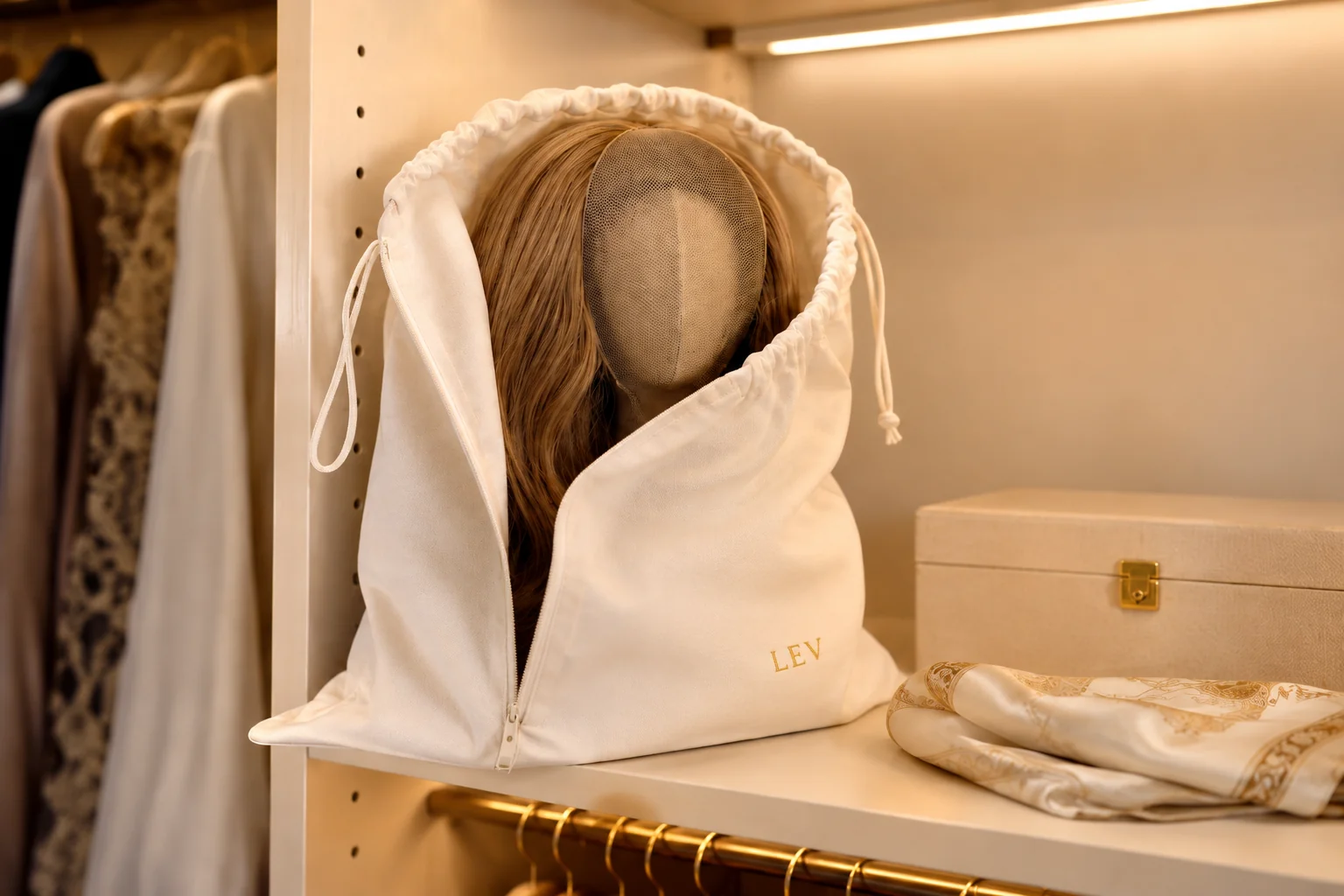
- Always store on a wig stand or mannequin head. This maintains the cap shape, preserves the style, and allows air circulation through the hair fibers and base construction.
- Cover with a hair net to protect against dust while maintaining breathability. Avoid plastic bags or airtight containers, which trap moisture and promote mold growth.
- Place inside a breathable storage bag made of cotton or silk. These materials allow airflow while protecting against light exposure and environmental contaminants.
- Store in a cool, dry place away from direct sunlight. A closet shelf or dedicated wig cabinet is ideal. Avoid bathroom storage, as humidity from showers degrades both the hair and the cap material over time.
Furthermore, for travel, invest in a dedicated wig travel case with a rigid structure to prevent crushing. Pack the sheitel on a small collapsible stand inside the case, and unpack it immediately upon arrival at your destination.
Product Guide
Recommended Care Products
The right products make all the difference. These are the essential tools and formulations that the LEV care guide recommends for maintaining European hair sheitels at every stage of care.
Wide-Tooth Comb
The foundation of daily sheitel care. A wide-tooth comb with smooth, seamless teeth glides through European hair without catching on hand-tied knots. Specifically, choose a comb with teeth spaced at least 5 millimeters apart to prevent snagging. This is the single most important tool for preventing tangles and matting.
Sulfate-Free Shampoo
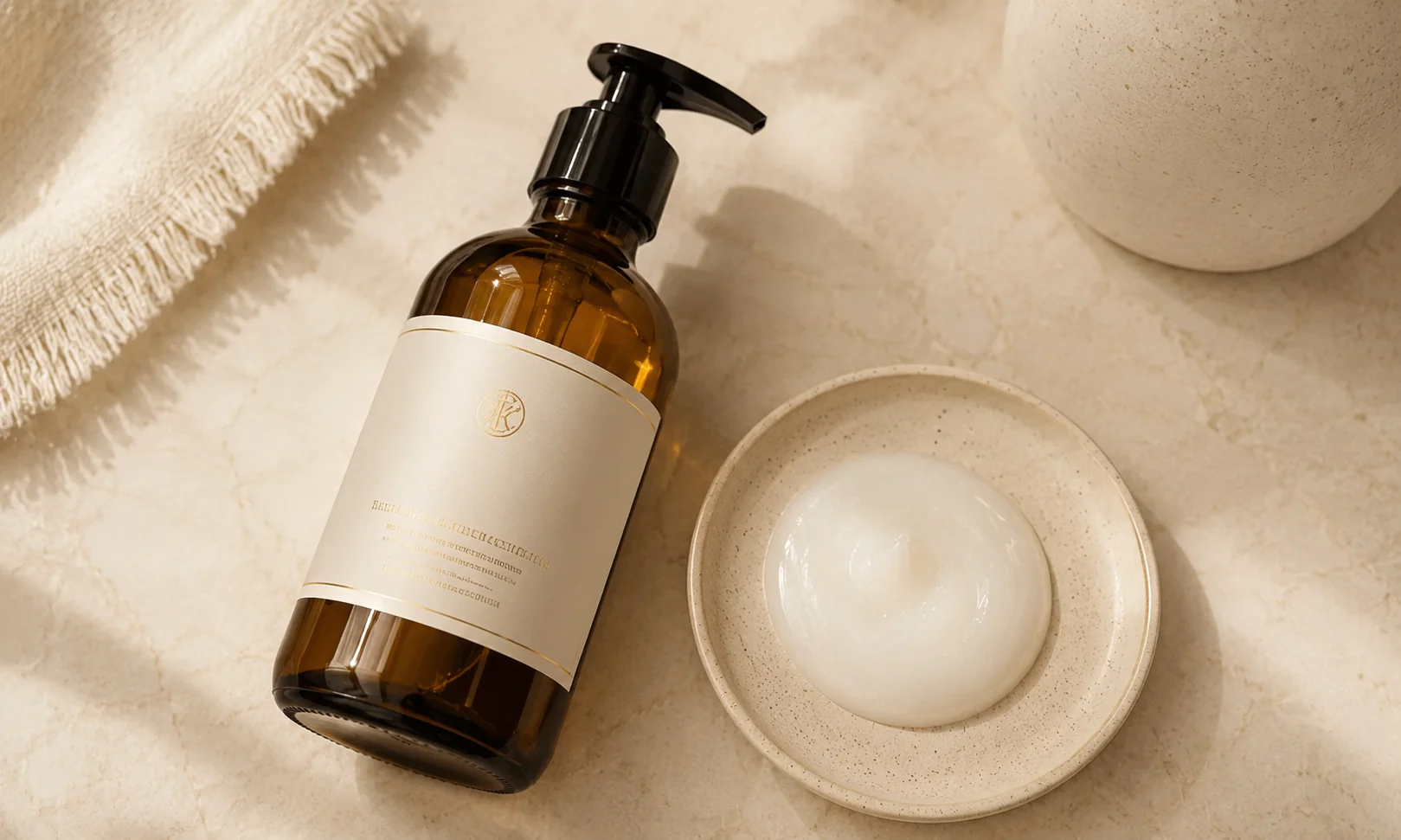
Regular shampoos contain sodium lauryl sulfate and other harsh detergents that strip moisture from wig hair. Therefore, a sulfate-free shampoo formulated for human hair wigs is essential. Look for products with moisturizing ingredients like argan oil, keratin, or aloe vera. The LEV care guide recommends washing every 10 to 15 wears with this type of gentle formulation.
Deep Conditioner
Because your sheitel does not receive natural scalp oils, deep conditioning after every wash is non-negotiable. Apply from mid-length to ends, avoiding the cap and hand-tied knots. Leave on for 5 to 10 minutes before rinsing with cool water. Moreover, a weekly leave-in conditioning spray between washes helps maintain moisture balance and prevents the dryness that leads to brittleness.
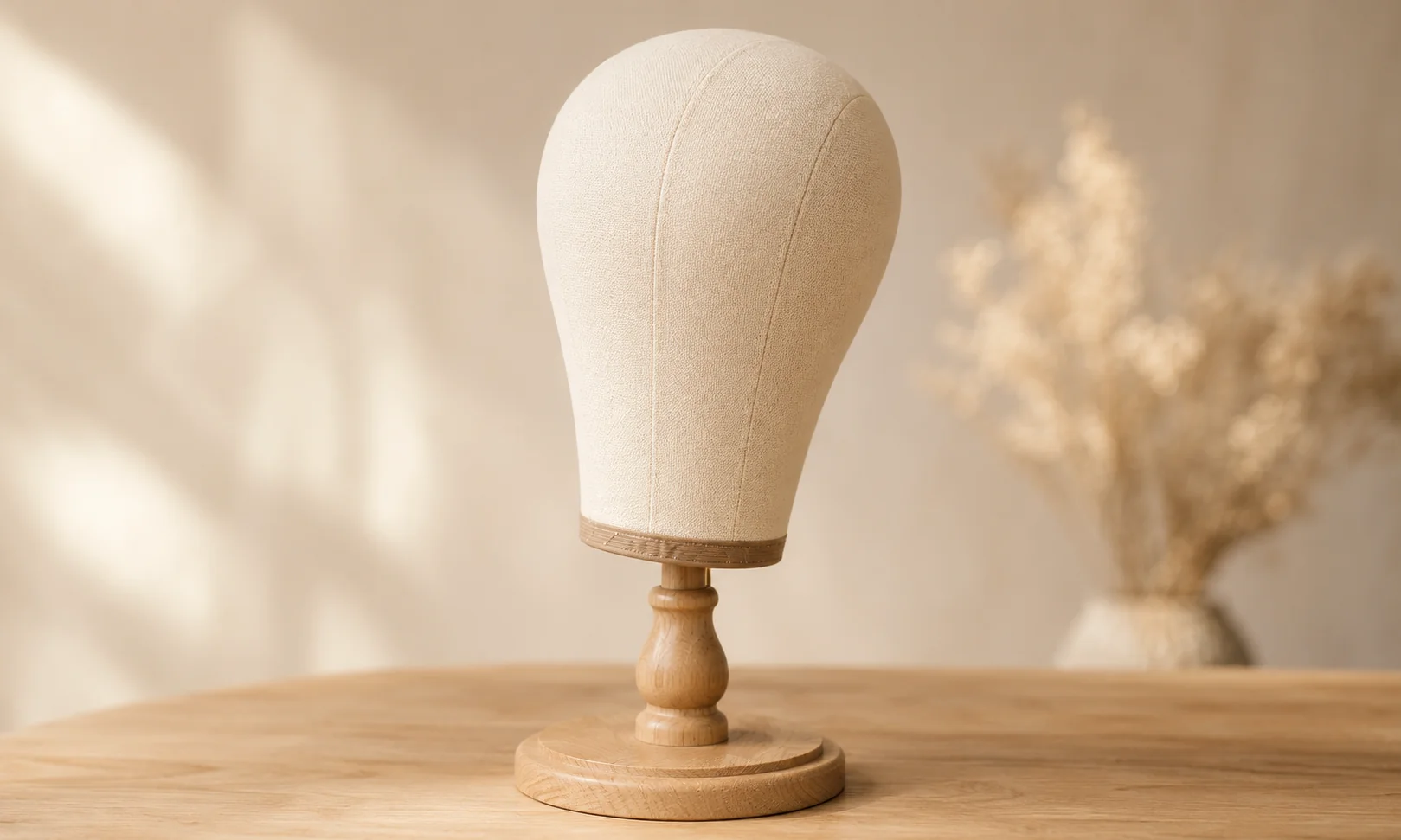
Wig Stand
A quality wig stand serves double duty: it supports proper air drying after washing and maintains the cap shape during storage. Choose a canvas block head or vented stand that allows air circulation through the entire cap. Additionally, a stand with a tripod base provides stability during styling. This simple tool is essential for preserving both the structure and the style of your sheitel.
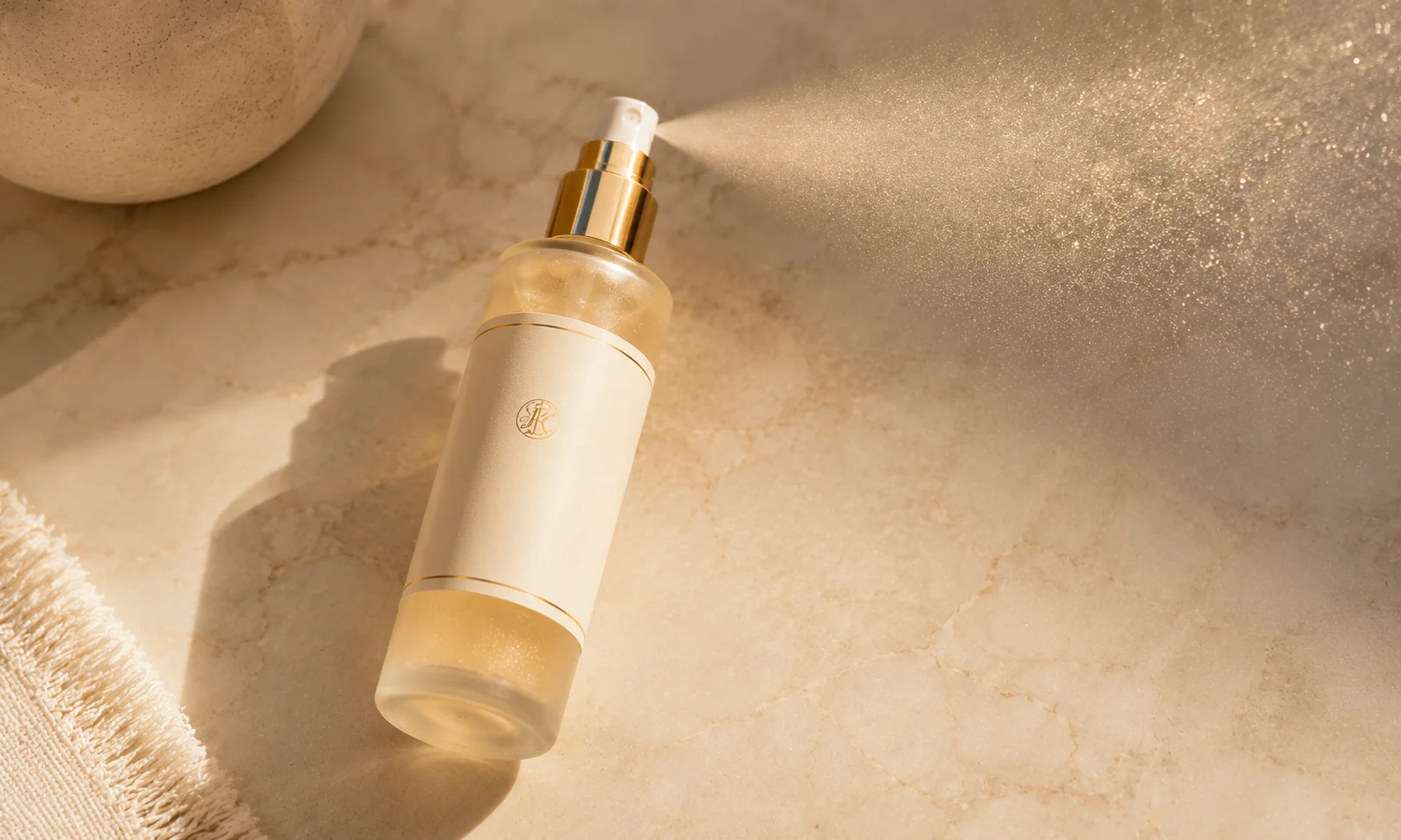
Heat Protectant Spray
If you heat style your sheitel, a heat protectant spray is mandatory. It creates a protective barrier between the cuticle and temperatures up to 230 degrees Celsius. However, even with protectant, never exceed 150 degrees Celsius on European hair. Apply evenly to damp or dry hair before using any heated tool. Furthermore, choose a lightweight formula that does not leave residue or weigh down the hair.
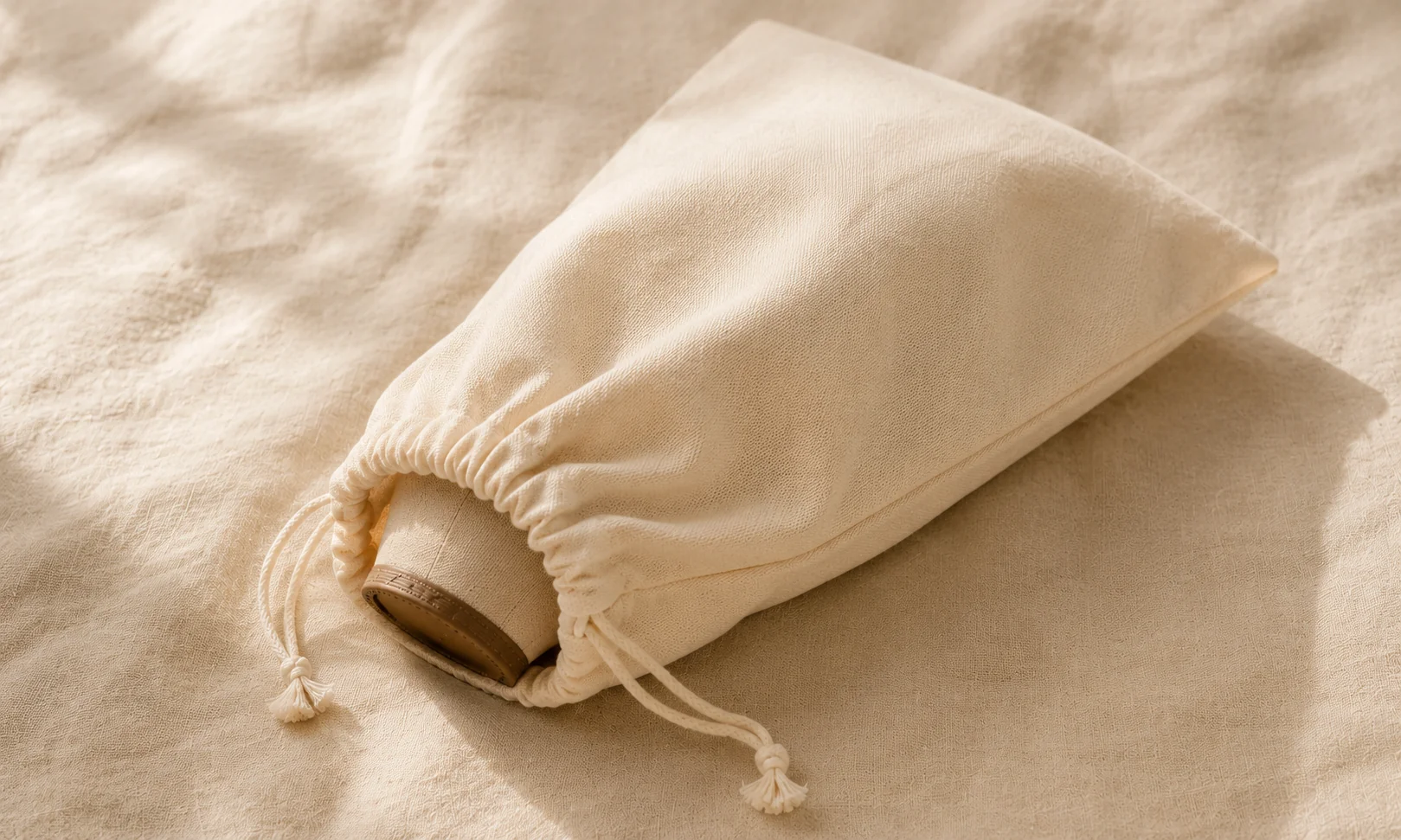
Breathable Storage Bag
The final piece of the care puzzle. A breathable cotton or silk storage bag protects your sheitel from dust, light exposure, and environmental contaminants while allowing essential air circulation. Never use plastic bags, which trap moisture and encourage mold growth. Additionally, look for bags with a rigid structure or built-in stand support to prevent the wig from being crushed during storage or travel.
Avoid These
Common Care Mistakes
Six frequent errors that damage European hair sheitels. Understanding what not to do is equally important as knowing the correct techniques in the LEV care guide.
Using Regular Shampoo
Standard drugstore shampoos contain sulfates, parabens, and heavy detergents designed for scalps with natural oil production. Your sheitel has no scalp, so these harsh ingredients strip the hair of its remaining moisture in a single wash. Consequently, after several washes with regular shampoo, European hair becomes dry, brittle, and straw-like. Switch to a sulfate-free, wig-specific shampoo immediately.
Sleeping in Your Sheitel
Pillowcase friction is the leading cause of severe nape tangling and matting. Even silk pillowcases create enough friction to damage European hair fibers over 7 to 8 hours of movement during sleep. Additionally, body heat and nighttime perspiration degrade the wig cap material and accelerate fiber breakdown. Always remove your sheitel before sleeping and place it on a stand.
Washing Too Frequently
More washing does not equal cleaner hair. In fact, excessive washing is one of the fastest ways to ruin a European hair sheitel. Each wash strips away protective conditioning treatments and stresses the cuticle layer. Therefore, adhere to the LEV care guide recommendation of 10 to 15 wears between washes. If your sheitel needs refreshing between washes, use a dry shampoo formulated for wigs instead.
Excessive Heat Styling
Daily heat styling at high temperatures is guaranteed to destroy European hair within months. The cuticle layer cracks and lifts under repeated thermal stress, causing permanent frizz, split ends, and breakage. Moreover, once the cuticle is damaged, no product can fully restore it. Limit heat styling to once or twice weekly, always below 150 degrees Celsius, and always with heat protectant spray applied first.
Storing While Damp
Placing a damp or wet sheitel into any kind of enclosed storage creates the perfect environment for mold and mildew growth. Mold stains are permanent and the musty odor is nearly impossible to remove. Furthermore, damp storage causes the lace cap material to stretch and lose its shape. Always allow 24 to 36 hours of complete air drying before storing your sheitel in any bag or container.
Ignoring Professional Care
Many wig wearers attempt to handle all maintenance at home, but a professional sheitel macher provides services that cannot be replicated with consumer products. Professional deep conditioning treatments penetrate the hair shaft more effectively. Cap adjustments ensure continued comfortable fit. Knot repair prevents excessive shedding. Therefore, visiting a sheitel macher every 3 to 6 months is a worthwhile investment in protecting your $2,000 to $5,000 sheitel.
For Everyone
Who Benefits From This Guide
The LEV care guide is written for three distinct audiences. Whether you sell sheitels, style them professionally, or wear one daily, these maintenance protocols will extend wig lifespan and preserve beauty.
Sheitel Store Owners
As a sheitel store owner, you serve clients who depend on your expertise for care guidance. Furthermore, providing this LEV care guide as a reference builds trust and positions your business as an authority. Store owners who educate their clients on proper maintenance report higher customer satisfaction, repeat purchases, and referral rates. Additionally, understanding professional care techniques helps you evaluate trade-in condition and advise on repair versus replacement decisions for your inventory. This guide covers both daily maintenance and the professional servicing schedule that keeps inventory looking showroom-ready.
Salon Professionals
Salon professionals and sheitel machers benefit from the factory-level expertise in this LEV care guide. Understanding the exact construction methods and materials used in European hair sheitels allows you to provide more precise care recommendations to your clients. Moreover, the temperature guidelines, product specifications, and maintenance schedules give you authoritative references when advising clients on home care routines between salon visits. Specifically, the washing protocol and heat styling guidelines help you standardize your professional services and deliver consistent results. Many salon professionals print this guide to share with clients after fitting appointments.
Individual Wig Wearers
Your sheitel is a significant investment, typically ranging from $2,000 to $5,000 for quality European hair. Therefore, protecting that investment with proper care is both practical and financial common sense. The LEV care guide gives you step-by-step instructions that are easy to follow at home, without requiring professional equipment or expensive products. Furthermore, understanding proper maintenance gives you confidence that your sheitel will look beautiful and natural every day. Notably, individual wearers who follow these protocols report their sheitels last 12 to 18 months longer than those who do not follow a structured care routine.
Visual Guide
Care in Action
Professional care techniques demonstrated step by step. Each image shows the correct method for maintaining your European hair sheitel.
Questions
Frequently Asked Questions
Answers to the most common European hair sheitel care questions, compiled from LEV Wigs customer inquiries and professional sheitel macher consultations.
Wash your European hair sheitel every 10 to 15 wears, or approximately every 2 to 3 weeks with daily use. Washing too frequently strips the hair of moisture since wigs do not receive natural scalp oils. Conversely, washing too infrequently allows product buildup and odors to accumulate. Therefore, adjust frequency based on your activity level and climate. For instance, if you live in a humid climate or exercise frequently, you may need to wash closer to every 10 wears. In drier climates with less active routines, 15 wears between washes is appropriate.
Use lukewarm water between 30 and 35 degrees Celsius for washing. Hot water opens the cuticle layer and can cause permanent damage to European hair fibers. Additionally, always finish with a cool water rinse, which helps seal the cuticle and locks in moisture from your conditioner, creating a natural healthy shine. This cool rinse step is one of the simplest yet most effective techniques in the LEV care guide.
No. Regular shampoos contain sulfates and harsh detergents that strip moisture from wig hair, which does not receive natural scalp oils. Use a sulfate-free, wig-specific or human hair extension shampoo instead. These formulations are gentler and help preserve the cuticle layer that gives European hair its signature softness and shine. Look for products specifically labeled as safe for human hair wigs, and avoid any shampoo containing sodium lauryl sulfate or sodium laureth sulfate.
Blot excess water gently with a microfiber towel, then place the sheitel on a wig stand at room temperature. Allow 24 to 36 hours for complete air drying. Never wring or twist the hair, and avoid direct sunlight, radiators, or hair dryers. If you must use a dryer in an emergency, use the lowest heat setting with a diffuser attachment and keep it at least 30 centimeters away from the hair. Patience during the drying phase is essential for preserving the integrity of your European hair sheitel.
Keep styling tools below 150 degrees Celsius, or 300 degrees Fahrenheit. This is well below the 200 degree Celsius threshold that causes irreversible cuticle damage. Always apply a heat protectant spray before styling, use ceramic or tourmaline-plated tools for even heat distribution, and limit heat styling sessions to once or twice per week. For daily styling between washes, consider heatless methods such as silk rollers or flexi-rods, which create beautiful results without thermal stress.
Sleeping in your sheitel is strongly discouraged. Pillowcase friction causes severe tangling and matting, particularly at the nape where friction is highest. Even silk pillowcases create enough friction to damage European hair fibers over 7 to 8 hours of movement. Additionally, body heat and perspiration during sleep degrade the wig cap and hair fibers over time. Always remove your sheitel before sleeping and store it properly on a wig stand to maintain its shape and style.
With proper care, a cuticle European hair sheitel lasts 3 to 5 years. Processed European hair typically lasts 1 to 2 years. Factors that affect lifespan include frequency of wear, washing technique, heat styling habits, and storage conditions. Following the LEV care guide can extend your wig lifespan by 12 to 18 months beyond average expectations. The key factors are consistent gentle handling, minimal heat exposure, proper storage, and regular professional maintenance from a qualified sheitel macher.
Yes. Sheitel boutiques, distributors, and wholesale buyers can use the LEV care guide as aftercare education for clients. Clear washing, drying, styling, and storage instructions reduce preventable damage, lower after-sales service questions, and help preserve customer trust in European hair sheitels. For private label or store-specific care cards, share your preferred cap types, hair lengths, and client care concerns with the LEV team.
Nape tangling is the most common care complaint among sheitel wearers. Prevention starts with daily gentle brushing from ends to roots. Additionally, apply a small amount of leave-in conditioner or argan oil to the nape area to reduce friction. Avoid high collars and rough scarf materials that create friction against the hair. Consider wearing a silk scarf buffer between your collar and the wig nape. If tangling persists despite these measures, visit a sheitel macher for professional trimming of the nape area, which can significantly reduce the problem.
Professional coloring is possible on European hair wigs, but it should only be done by an experienced sheitel macher or wig specialist. European hair has already been processed during manufacturing, so additional chemical treatments can compromise the cuticle layer. Always perform a strand test first on a hidden section of hair. Semi-permanent or demi-permanent color is safer than permanent dye because it deposits color without lifting the cuticle. Never attempt DIY coloring at home, as uneven application and incorrect developer volumes can cause irreversible damage to your investment.
To clean the lace interior, mix a small amount of gentle soap with lukewarm water. Use a soft cloth or cotton swab to gently dab the lace area, focusing on areas with product buildup or natural oils from your scalp. Avoid rubbing or scrubbing, which can damage the delicate lace weave and loosen hand-tied knots. Rinse by dabbing with clean water on a cloth. Allow the lace to air dry completely before wearing. Clean the lace interior once every 2 to 3 weeks, or whenever you wash the full sheitel.
A sheitel macher is a professional wig stylist and maintenance specialist who serves the Orthodox Jewish community. You should visit a sheitel macher every 3 to 6 months for professional washing, deep conditioning, styling, and cap adjustments. Additionally, consult a sheitel macher immediately if you notice excessive shedding, persistent tangling that brushing cannot resolve, a loose or uncomfortable cap, or any tears in the lace base. Regular professional maintenance is one of the most important factors in extending your sheitel lifespan to the full 3 to 5 year potential of quality European hair.
Swimming while wearing your European hair wig is not recommended. Chlorine from pools and salt from ocean water can severely damage the hair cuticle and cause irreversible dryness and discoloration. If swimming is unavoidable, wear a waterproof swim cap over your sheitel. After any exposure to pool or ocean water, rinse the wig immediately with fresh lukewarm water and apply a deep conditioning treatment. The chemical damage from a single unprotected swim session can reduce your sheitel lifespan by 6 months or more, making prevention far more cost-effective than repair.
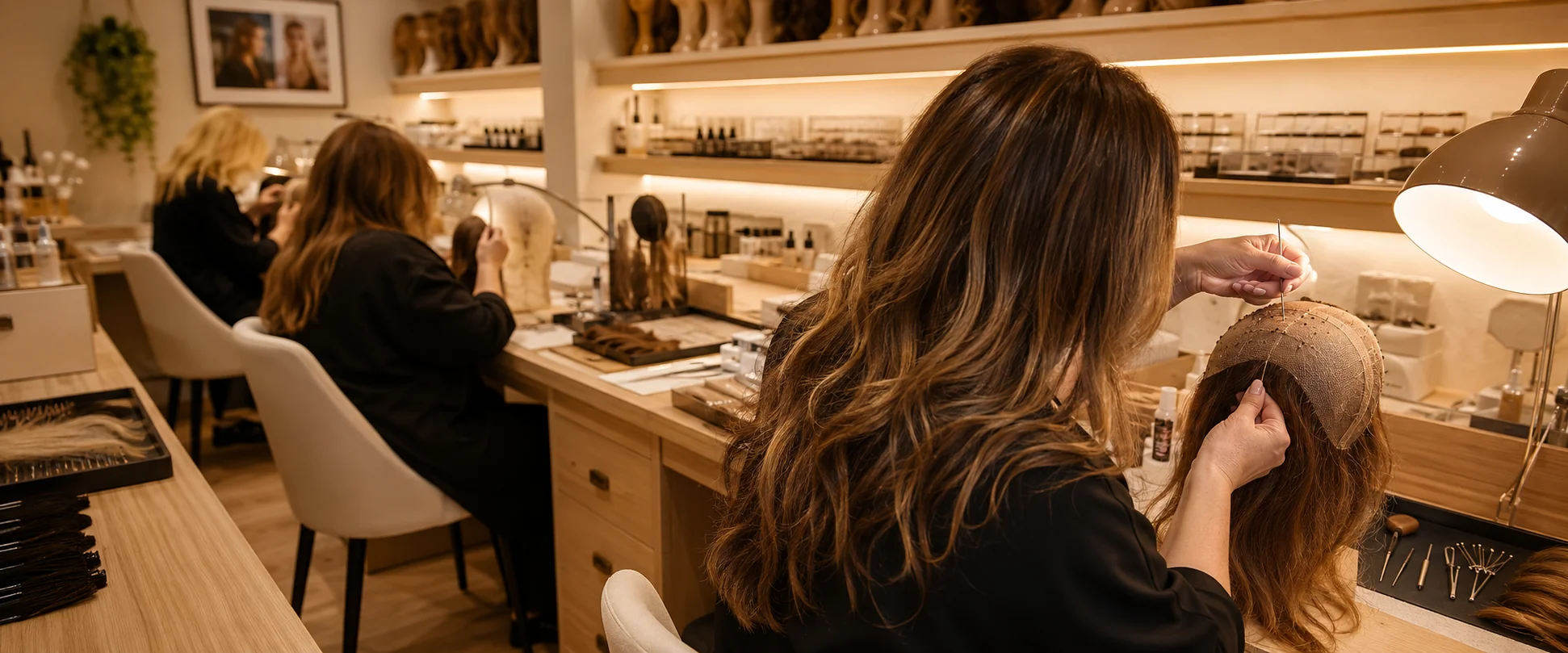
Ready for Expert Care Advice?
Our specialists have helped thousands of sheitel owners, store owners, and salon professionals protect their European hair investments. Furthermore, every consultation includes personalized care recommendations based on your specific wig type, wearing habits, and climate conditions.
Your Care Guide Inquiry
Tell us about your sheitel care needs. Our specialist will respond within 24 hours with personalized care recommendations.
Your information is kept strictly confidential and used only for this inquiry.
Sending your inquiry...