
B2B salon and studio procurement
Human Hair Integration Toppers
An integration topper is an open-base human hair piece: the client's own growing hair is brought through the base, so added volume works with the hair she already has.
Request SpecificationsIntegration construction
How the open base works with the client's own hair.
An integration topper is built on an open fine-mesh base rather than a closed cap. The client's own hair is brought through the base in sections, so added human hair and growing hair fall in one line. Volume builds gradually where hair is thinning, and the client keeps her own hair in daily wear. Ask about the specification that fits your studio.
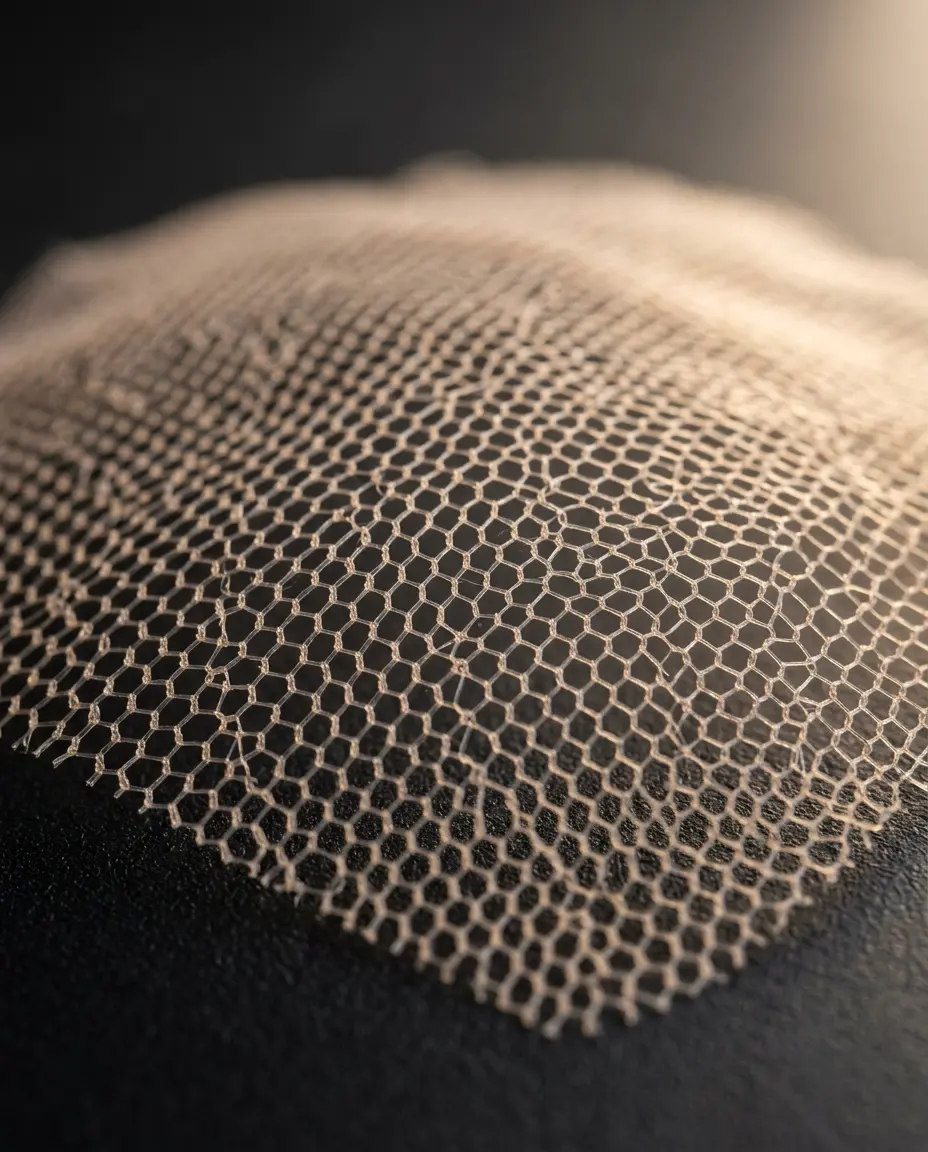
Construction details
Three integration details to review with your client.

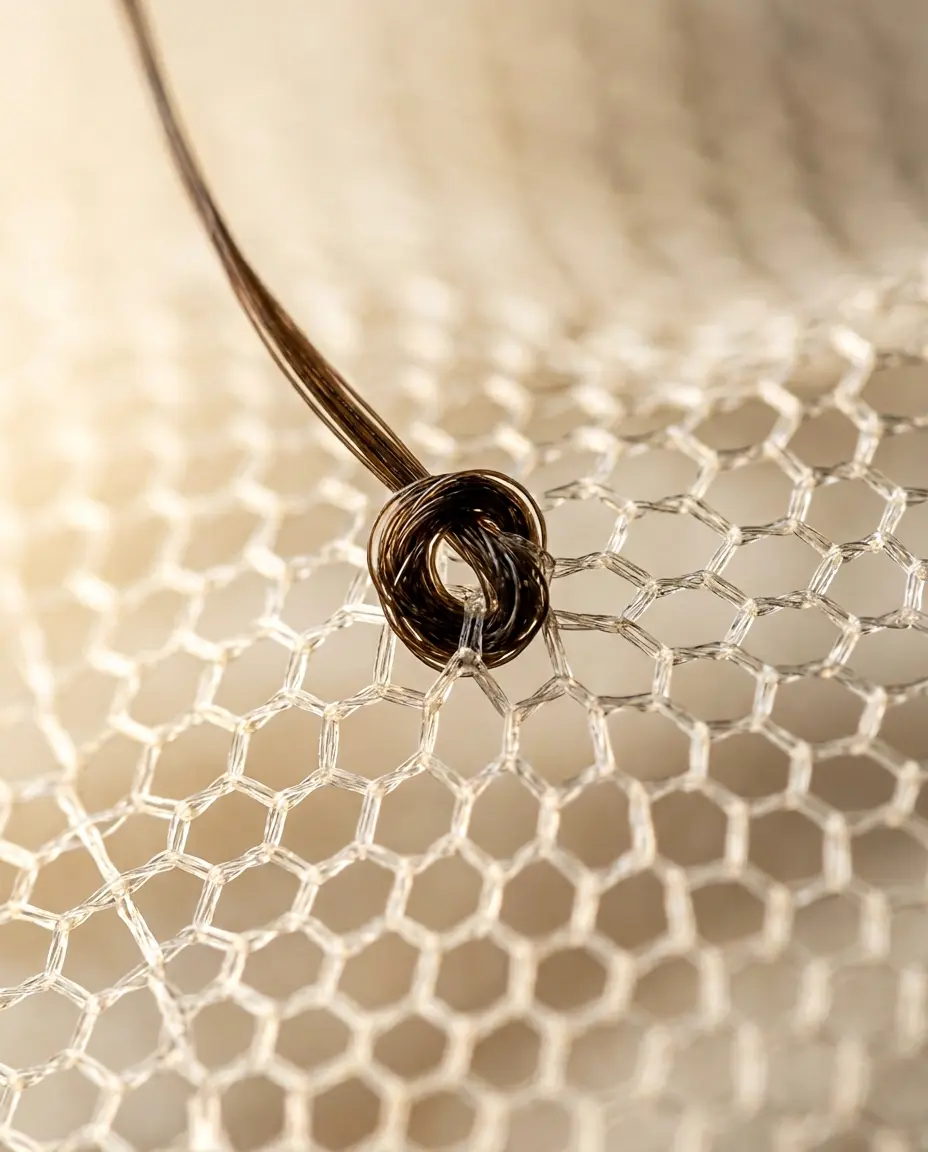

Construction navigation
Choose the topper construction that matches the client brief.
Integration, coverage-led custom toppers and silk-top construction answer different client questions. Use this as a starting point before the inquiry conversation.
 Current category
Integration toppers
Open integration base; the client's own hair works through the piece.
Custom toppers
Coverage-led custom briefs across topper types on the women's toppers page.
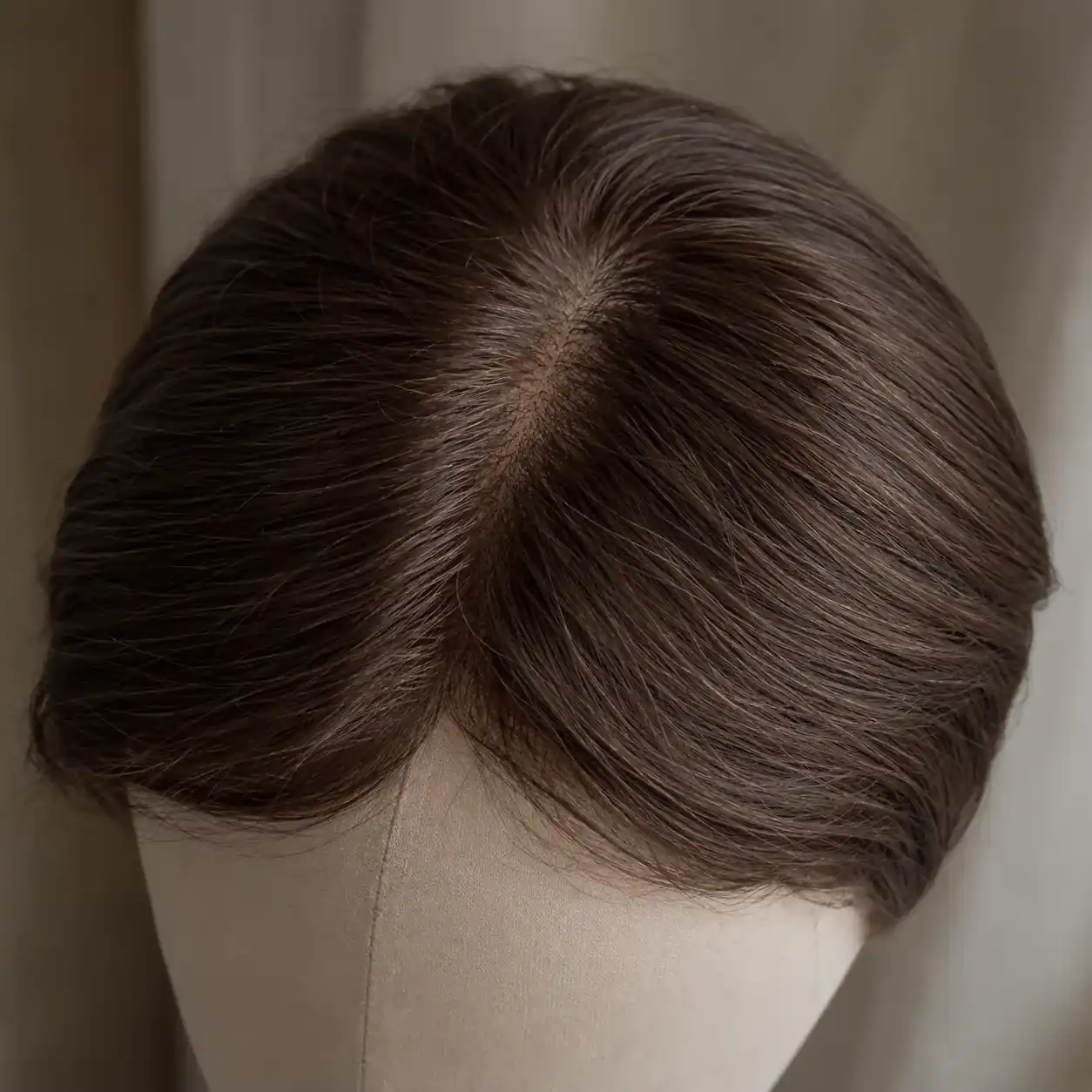
Silk-top
Silk layer at the crown for a scalp-like part and knot concealment.
Continue researching
Procurement process
From inquiry to agreed terms.
How an integration-topper inquiry moves forward, one confirmation at a time.
01 / 05
-

Inquiry
-
Brief discussion
-
Specification confirmation
-
Sample and quote
-
Terms and next steps
Procurement FAQ
The specification questions salons ask before ordering.
Answers to what salons and studios usually ask before ordering integration toppers.
What is a human hair integration topper and how does it work with a client own hair?
A human hair integration topper is an open-base human hair piece. The client's own growing hair is brought through the open base in sections, so the added hair and the growing hair blend in one falling line instead of the piece sitting over the head. It is chosen when a client wants more volume where hair is thinning while keeping her own hair in daily wear.
What hair and construction should a salon confirm before ordering integration toppers?
Confirm the specification in writing before ordering: the base construction and how open it is, the hair type and grade selected, the hair direction and knot work, textures, lengths and colors, and the attachment method your salon will support. Each point is confirmed at specification confirmation, because the right combination depends on the client's hair and thinning pattern.
Which base-size and density decisions are made at specification confirmation?
Base size and density are specification items rather than fixed options published on this page. The base is measured against the client's thinning pattern, and density is chosen so added volume blends gradually with the surrounding hair. Length, texture and color are confirmed at the same stage so the finished piece reads as one head of hair.
How is an integration topper attached for daily wear?
An integration base allows the client's own hair to be brought through it. The fixing method and the daily-wear routine depend on the selected construction and on the client's existing hair; confirm both with the fitting professional before ordering. Supporting attachment options, where a client uses them, are confirmed at specification confirmation.
Can salons and studios order integration toppers in bulk?
Yes. LEV works with salons, studios and distributors as a manufacturer, and integration toppers can be ordered as professional supply. Order minimums, pricing, lead times and terms are not published on this page; they are quoted after the brief and specification are confirmed through the inquiry form.
How do integration toppers differ from full wigs and other topper constructions?
A full wig covers the whole head, while an integration topper leaves the client's own hair working through an open base. Other topper constructions, such as silk-top or coverage-led custom toppers, answer different client questions. The topper types and sizing guide on the LEV blog walks through the differences in more depth.
What happens after the inquiry form is submitted?
Your inquiry goes to the LEV advisory team, who review the brief and the specification questions above. The reply discusses the specification points that need confirming and, where applicable, sample options, quotes and terms. If anything in the brief is unclear, the team asks before quoting.
Start the inquiry
Discuss your integration-topper brief.
Share your client's coverage needs and construction questions to start a specification discussion.