How to Inspect a Human Hair Wig Hairline: Buyer's Checklist
Sample Inspection Guide
Why the Hairline Needs Its Own Checklist
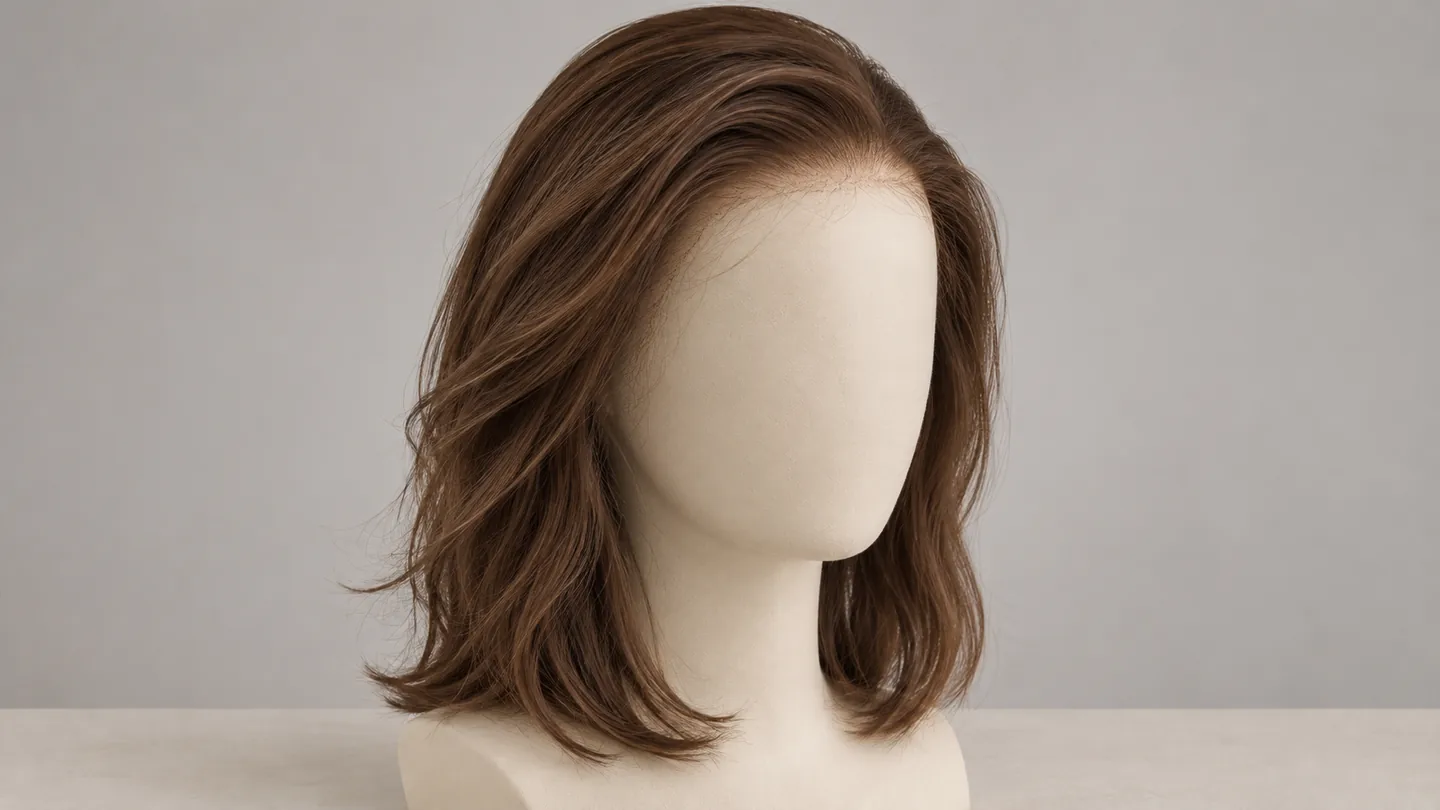
The hairline is where a full human hair wig sample gets its closest inspection — and where a buyer’s impression and a supplier’s intention can most easily diverge. Judgments made in bad lighting, without records, are hard to act on: they remain impressions instead of becoming corrections.
This guide is a buyer’s method — a recommendation, not an industry standard — for inspecting one thing: the hairline of a full human hair wig sample, in a way you can document and repeat. It covers five checks and ends with a blank record table — a form you can fill, send back to your supplier, and agree approval criteria against. It does not describe any specific company’s sample policy.
For evaluating the whole sample unit — cap, density, texture, combing — see the separate whole-unit sample evaluation checklist. That guide is written for a lace-top sheitel; the record-keeping approach transfers, but construction-specific details should be confirmed against your own sample. This article goes deep on the hairline only.
Photography Conditions
Set the Conditions Before You Judge
A hairline verdict is only as good as the conditions it was formed in. Before inspecting:
- Light two ways. Look at the lace and hairline in daylight, and again under indoor light. A shade that reads well in one light can read differently in the other; record what you saw in each.
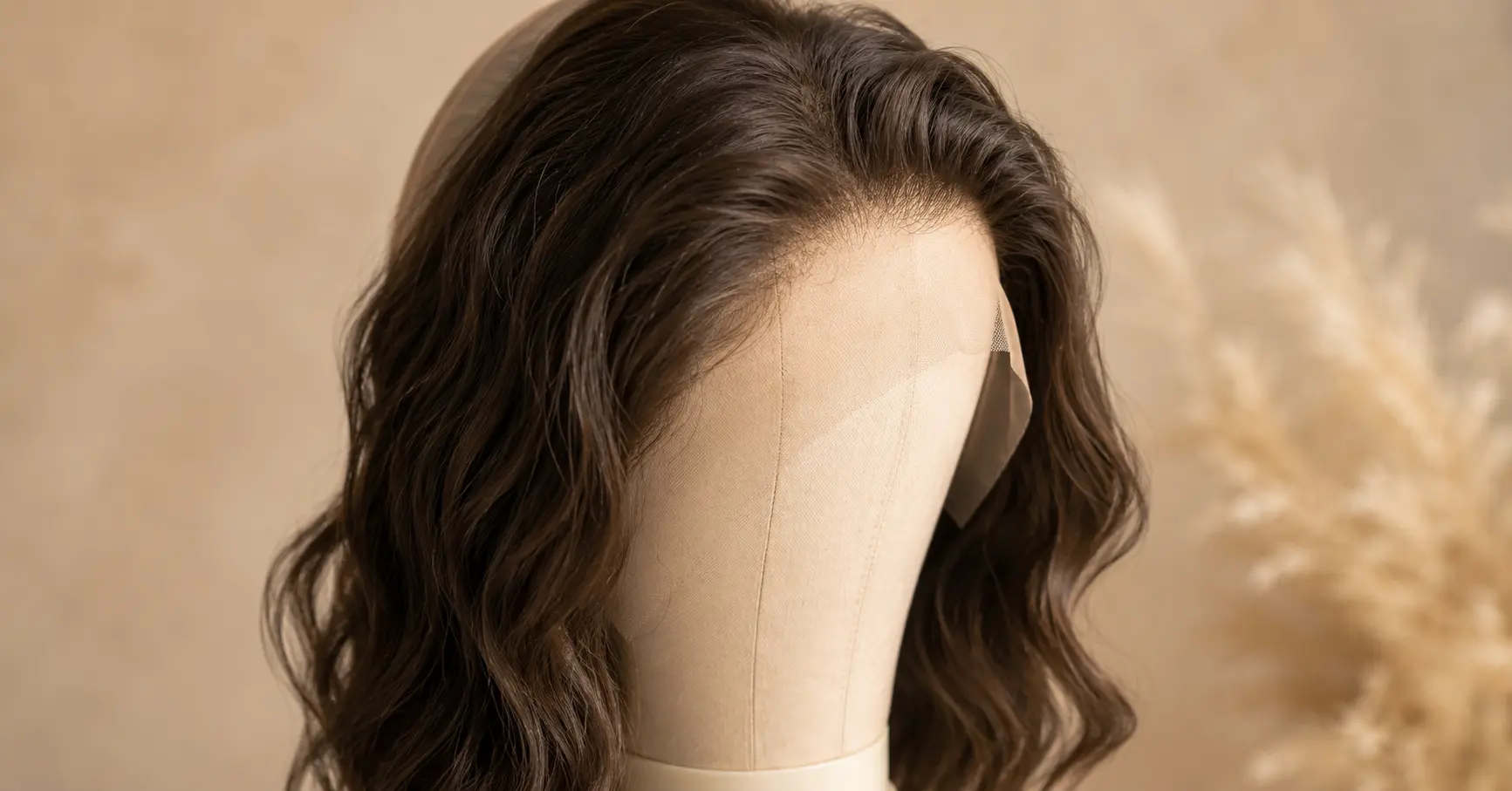
- Shoot one numbered set. Five shots, same distance and angle for every sample you compare: (1) front hairline unworn, full edge in frame; (2) front hairline worn, same framing as shot 1; (3) front edge close-up from the outside; (4) front edge close-up from the inside (underside of the lace); (5) macro of the knots at the hairline. Repeat the set for each light pass, and add extra angles — for example, both temples — as supplements beyond the five.
- Carry references into frame. A plain white balance card (or a white sheet of paper) and a ruler give the supplier scale and a shared color reference when they review your photos. They aid comparison; they do not replace confirming final color against the physical sample or an approved swatch.
- Label every photo. Photograph each mismatch with the sample number visible in frame, so photos stay matched to the right sample and round.
None of this is an industry standard; it is a recommended practice that makes your findings actionable.
Lace Base Color
Lace Base Color: Check It Against the Wearer, Not the Listing
Each maker names its own shades. One manufacturer, for example, describes its own lace items as available in transparent, light brown, and medium brown (Queen Weave, accessed 2026-11-10) — that is that maker’s disclosure about its own products. Ask each supplier to define in writing what their shade names mean, rather than matching names across suppliers.
Check the base the way the wearer will experience it: against the intended skin tone, in both lights from the previous section, at the hairline where the lace meets skin. Two things to record:
- Transparency and tint transition — does the lace tone melt into the skin at the front edge, or read as a separate film?
- “HD” is not a guarantee. An “HD” label describes the lace product, not a result on your skin — check it on the intended wearer’s skin tone, in both lights, on your sample.
Then add one supplier-confirmation item: dye-lot consistency. Ask the supplier to confirm in writing that bulk-production lace will match the approved sample’s shade.
Knots
Knots: What You See vs What Only the Supplier Can Tell You
For clarity, split knot inspection into two columns.
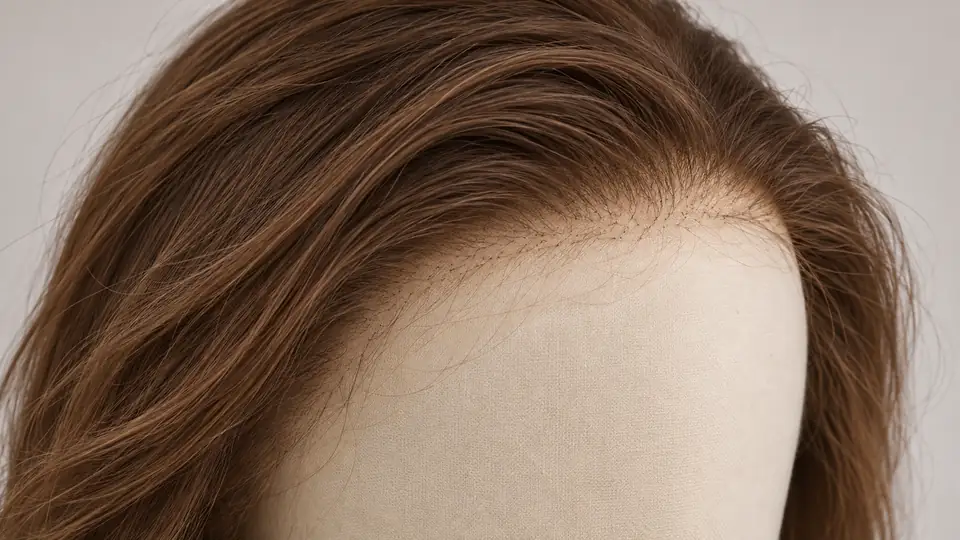
What you observe directly: how visible the knots are against the lace at normal wearing distance; whether visibility is uniform across the front; whether the knot pattern looks even where the hairline is supposed to look sparse.
What only the supplier can confirm in writing: whether the knots are bleached and how the process is performed, and knot construction (single or double knots) in the hairline zone.
Bleached knots, for context: manufacturers describe bleaching as a chemical process that lightens the dark knots so hair appears to grow from the scalp (RPGSHOW; UniWigs, both accessed 2026-11-10). What the process involves for your product — and what it does and does not affect — is something to ask your supplier to confirm in writing: record what you observe on the same physical sample, and set the decision as an approval criterion against your specification before production.
However, there is no universal “bleached good, unbleached bad” verdict. Whether pre-bleached knots are right for your product is an approval decision you and your supplier agree on before production — which is exactly what the record table at the end is for.
Hairline Edge
Hairline Edge: Transition, Plucking, and Baby Hairs
Now the edge itself, still unworn:
- Contour — does the hairline outline look natural (slightly irregular), or machine-straight?
- Density transition — the move from the sparse hairline into the body of the wig should be gradual, not a wall; record where it starts to look abrupt, if it does.
- Pre-plucking and baby hairs — confirm what was actually specified. If you ordered pre-plucking or baby hairs, check presence, amount, and naturalness against your written spec, and record what “pre-plucked” means for your product — in a description or measurement both sides accept — before production starts.
- Ventilation — look for uneven knots, gaps, or irregular ventilation along the front; list each with its photo number.
Worn State
Worn State: Standardize Before You Compare
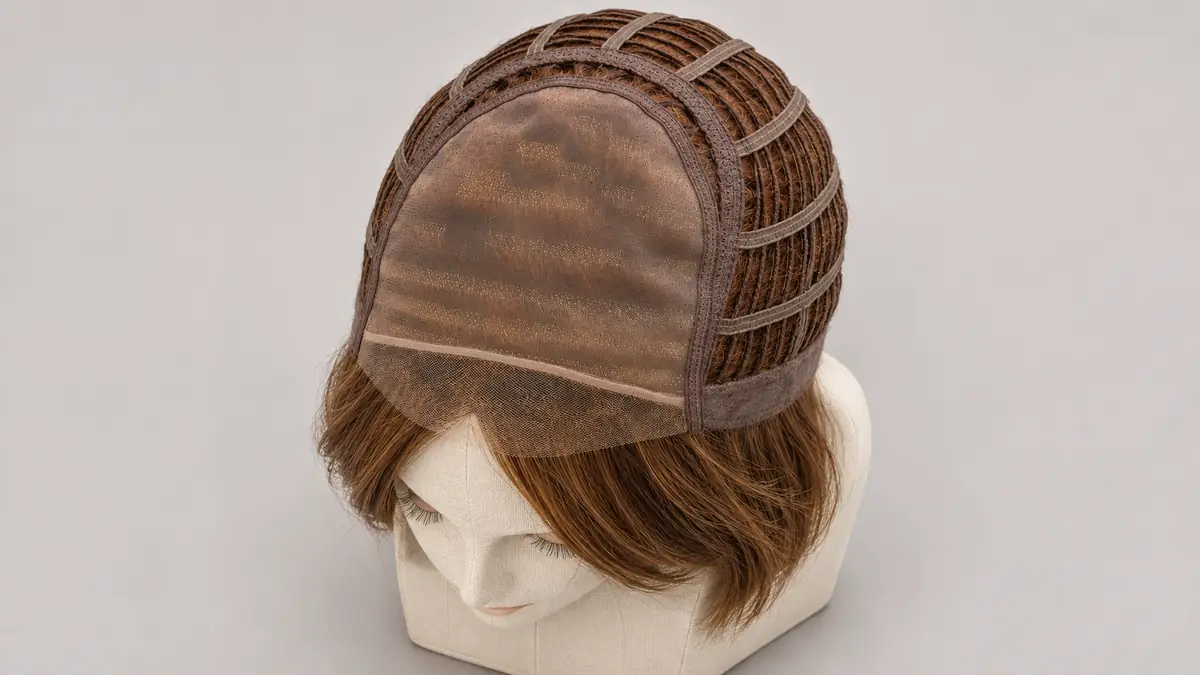
The hairline behaves differently on a head. Before the worn test, fix the variables so your judgment means something: the attachment method the sample is actually designed for — tape, adhesive, a glueless fit, or a combination — plus skin prep, position, the light you check under, and how long you wear it before judging. Comparing two samples only works when both ran the same test.
During the test, record where the lace lifts or glares first, how the edge reads at conversational distance, and anything you had to style away to make it pass.
Blank Template
Hairline Inspection Record: The Blank Template
Record Observations and Supplier Confirmations
First, copy this table, fill the observation column yourself, send it to the supplier to complete the confirmation column, and set the approval column before production starts. This is a blank template — not an industry form.
| # | Check | Direct observation (buyer) | Supplier confirms in writing | Approval criteria (agreed in advance) |
|---|---|---|---|---|
| 1 | Lace base shade at hairline | Tone/transparency vs wearer skin, both lights | Bulk dye-lot matches approved sample | e.g., no visible film at conversational distance — set your wording |
| 2 | Knot visibility and uniformity | Visible dots? Even across front? | Knot type (single/double) in hairline zone | |
| 3 | Bleach status | Appears lighter / appears darker | Bleached or not; process confirmed in writing | |
| 4 | Edge contour and density transition | Natural outline? Gradual transition? | Ventilation density spec at hairline | |
| 5 | Pre-plucking / baby hairs | Present? Amount? Naturalness | Matches ordered spec | Matches the written spec you both signed off |
| 6 | Worn-state behavior | Lift/glare point, edge read at distance | Per your standardized wear test | |
| 7 | Differences vs. specification | Numbered list, each with photo | Written explanation and proposed corrective action |
Row 5’s approval criterion is the pattern for the whole table: a criterion written down before production converts a disagreement into a check.
Choose and Document the Approval Decision
Once both columns are filled, decide the sample’s disposition in writing before production starts. Four outcomes cover most cases:
| Disposition | When it fits | What to record |
|---|---|---|
| Approved | Matches the agreed criteria | Keep as the reference unit the bulk order is checked against |
| Approved with exception | A specific deviation is acceptable | The deviation, and whether the exception covers this sample only or the bulk order too |
| Re-sample | Criteria not met; a defined revision is possible | The list of changes, who pays the revision round, and when the new lead time starts |
| Not approved | Specification or supplier not workable yet | Why, and what would have to change |
Finally, state whether an exception applies to the bulk order too. Approval of an exception for one sample does not automatically extend to bulk production.
Hairline Inspection: Common Questions
Two passes: daylight, then indoor light, with a white reference in frame. A lace shade that passes in one light can still read differently in the other — check both before judging.
Neither option is universally better. Ask the supplier to confirm the knot process in writing, record what you observe on the same physical sample, and set the choice as an approval criterion before production.
No. An "HD" label describes the lace product, not a result on your skin — check the shade on the intended wearer's skin tone, in both lights.
Complete the record table above, get the supplier’s written confirmations, and fix the approval criteria in advance. For whole-unit checks (cap, density, combing), use a full sample-evaluation checklist.
Approve With Evidence
A Record Both Sides Can Act On
A hairline inspection earns its keep when the supplier can act on it: numbered photos, written observations, written confirmations, and approval criteria that were fixed before production. Complete the record, send it back with the sample number, and agree the disposition — approval, exception, re-sample, or rejection — in writing, so the next step is defined on both sides.

Inspecting a Sample Hairline?
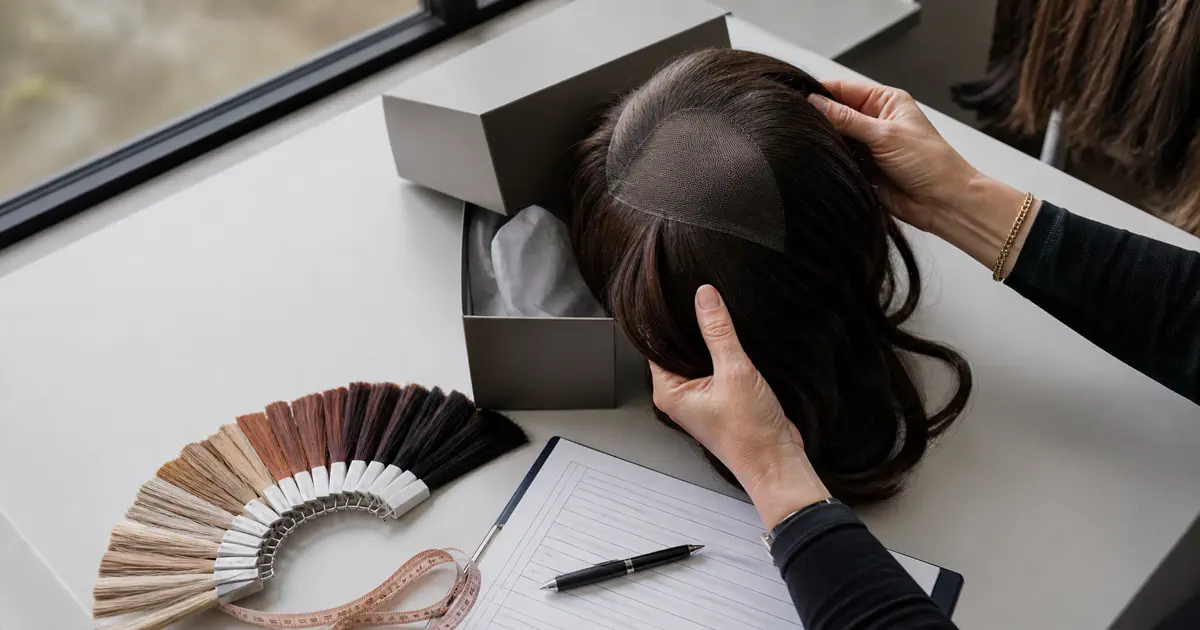
Contacting us about a new wholesale business? Include “Full Human Hair Wig Wholesale” in your message, and add the sample number, the photos you took, and the parts you need confirmed.
Contact LEV Wigs