Care & Diagnostics
Short Hairs on a Sheitel: Return Hairs or Breakage?
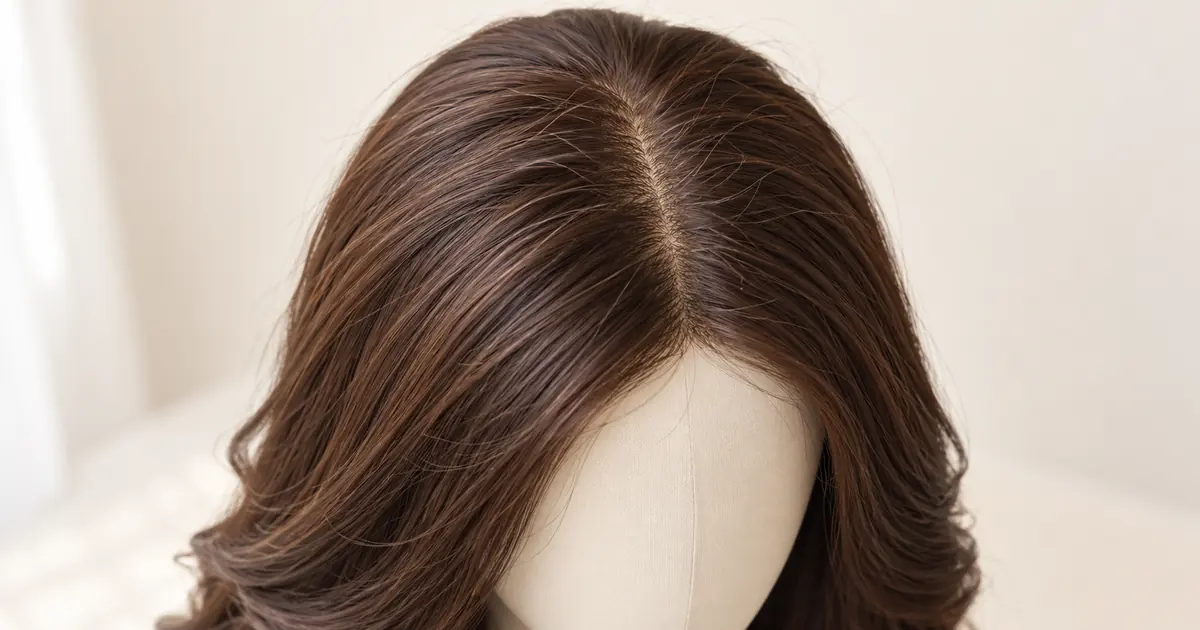
Short hairs on a sheitel can be construction returns, breakage, or a mixture. Appearance alone does not identify the cause. Before trimming or treating them, photograph the affected areas and note when you first noticed them and what care the piece has received.
The Construction
What Return Hairs Are
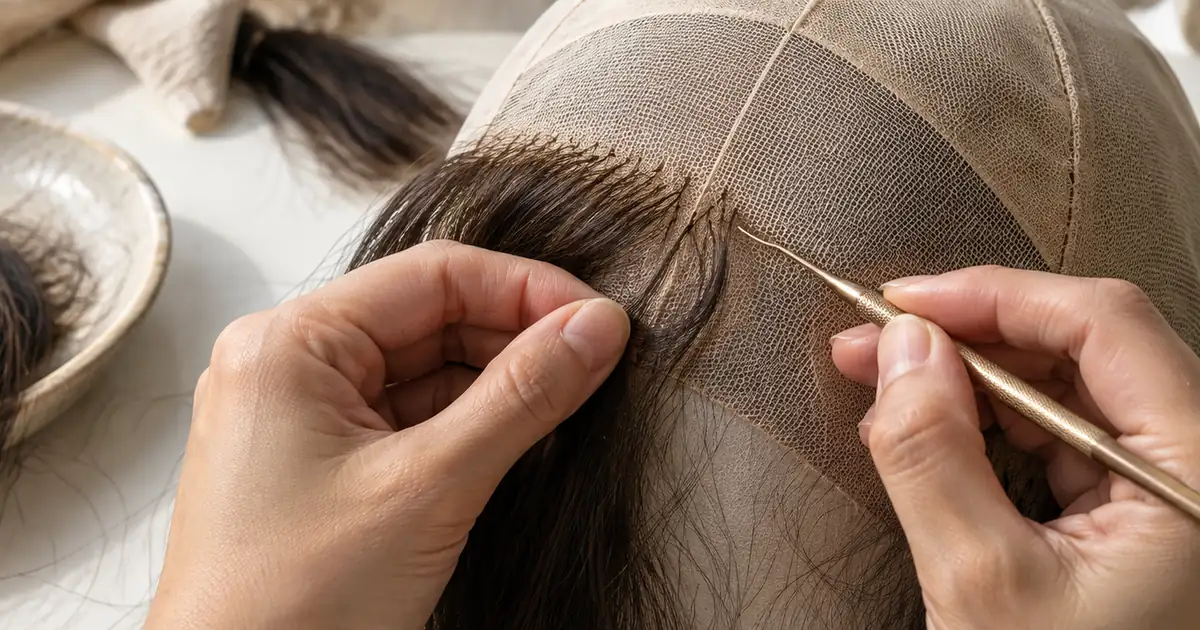
In some hand-tied constructions, a strand folded and knotted to the base leaves a shorter end beside the main length. That shorter end is a return hair. Daniel Alain explains the folded-strand mechanism; Milano describes visible returns as part of the construction in hand-tied areas.
Visibility varies with the construction. Ask which areas of your piece are hand-tied and what short hairs the maker expects to be visible there.
Not Automatically Damage
Why Short Hairs Are Not Automatically Damage
Milano and Daniel Alain both describe returns as a construction feature that is not automatically evidence of damage. That does not establish the cause of every short hair on an individual piece.
A piece may have construction returns and breakage at the same time. Location and changes over time are useful to record, but neither settles the cause without an assessment. For construction background, see the hand-tied sheitel quality guide.
The Check
How to Photograph the Short Hairs
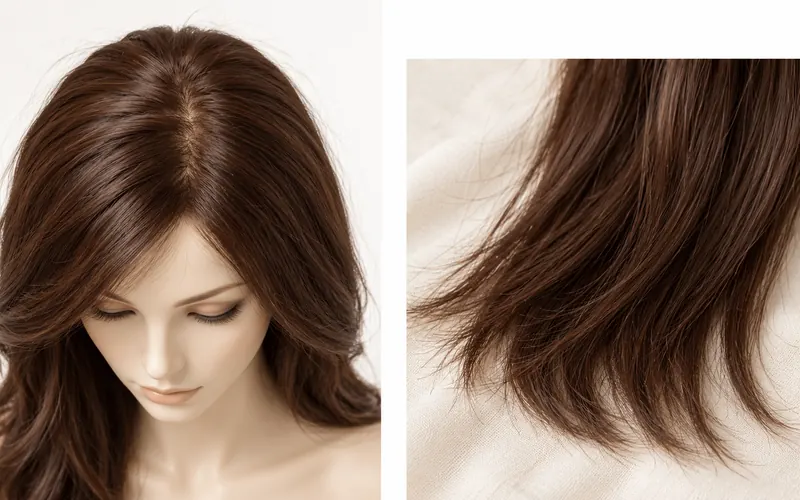
Take an overview and close-ups before making styling changes. Include the affected area and enough of the piece for context.
- Take an overview. Show the whole piece and the area where the short hairs are visible.
- Add close-ups. Photograph the crown or part and any other affected areas without trimming or pulling the hairs.
- Keep the conditions comparable. Use a similar camera angle and light when taking later photos. Photos are references, not a diagnosis.
Before You Contact
Care History and Timeline to Include
Include the details below when requesting an assessment. Separate what was visible at delivery from changes noticed after wearing or caring for the piece.
| Field | What to capture |
|---|---|
| First noticed | The date or wearing stage when you first saw the short hairs |
| Change over time | Whether the amount or appearance seems different; include dated photos |
| Care and styling | Washing, products, heat styling, and any chemical services |
| At delivery | Any delivery photos and observations made before wearing or treating the piece |

If the short hairs were visible at delivery, keep the delivery photos with the record. Wholesale buyers can include them in the receiving inspection record.
The Conversation
What to Ask — and What Not to Expect
Ask the maker or stylist which areas are hand-tied, what short hairs are expected on that construction, and whether they need to examine the piece in person.
Before cutting, plucking, applying products, or changing the styling routine, ask someone familiar with the construction what they recommend. Supply the photos and care history rather than asking for a diagnosis from a single close-up.
FAQ
Short Hairs on a Sheitel: Common Questions
Shorter hairs that can appear where the piece is hand-tied. A strand folded to secure its knot can leave a shorter section returning along the base, and that section is the return hair. Milano's care guidance describes such hairs as part of the construction process that helps secure the hair.
Not automatically — in hand-tied zones they can be construction returns rather than damage. But appearance alone does not settle it: short or broken hairs can appear in more than one zone, and how returns look can change as a piece wears. Record the locations, dated photos, and full care history, and let a supplier or stylist examine the piece before calling it damage.
Ask the manufacturer or a stylist familiar with wigs before cutting or plucking them. The appropriate approach depends on the construction and what the short hairs are.
Some brands advertise low-return or zero-return finishes. That is a claim about their own product, rather than a shared specification. Ask what the maker means, which areas it covers, and what you can expect to see on the sample.
Conclusion
Record What You See, Then Ask
Photograph the short hairs, note the timeline and care history, and ask the maker or a stylist familiar with wigs to assess the piece. The notes provide a starting point; they may still need to examine it in person. For a new order, ask how visible returns are expected to be on the sample.
Have Questions About Short Hairs?
Keep an overview, close-ups, dates, and care history ready when asking your current supplier or a wig-experienced stylist for an assessment.
Contact LEV Wigs