Community
What Is a Sheitel Macher?
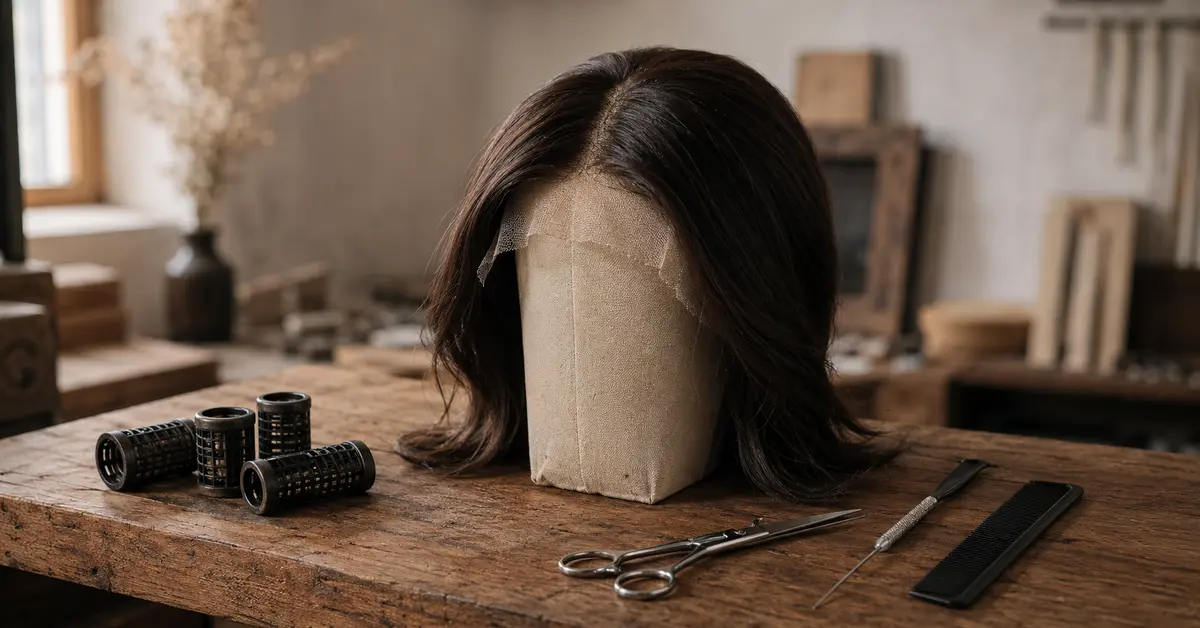
A sheitel macher is the wig professional who cuts, styles, washes, sets, colors, and repairs sheitels — Yiddish for "wig maker," though today the role is closer to a specialist stylist and repair artisan rolled into one. In an Orthodox community, a woman often sees her macher more often than her hairdresser, because a sheitel is daily wear that needs ongoing care. This guide explains what a macher actually does, how the role differs from a factory manufacturer like us, and how to find a good one.
Our position is specific and worth stating: LEV Wigs is the manufacturer that builds the wig from raw hair and an empty cap. The macher is the local artisan who takes a finished piece and brings it to life for the individual wearer — cutting it to her face, setting it for her day, repairing it when it wears. The two roles are complementary, and many machers order custom bases from factories like ours. More on that below.
Key Takeaways
- A macher cuts, styles, washes, sets, colors, and repairs sheitels for a community
- The macher is the local artisan; a manufacturer like LEV is the factory source that builds the base — the roles complement each other
- The skill is specialized: working with human-hair wig construction is different from styling natural hair
- Community word of mouth is the most reliable way to find a good macher
- Many machers order custom unstyled bases from factories and finish them themselves
The Role
What a Macher Actually Does
The job spans everything that happens to a sheitel after it is built. A new sheitel arrives long and unstyled; the macher cuts it to the wearer's face, layers it, and shapes the front. From there the relationship is ongoing.
- Cutting and styling — the initial cut that turns a raw piece into a wearable style, plus reshaping as the wearer's preferences change.
- Wash and set — the routine service most clients book on a regular cycle: cleaning, deep conditioning, and setting the hair on rollers or a block to restore shape.
- Color work — root touch-ups, toning, or adjusting shade as the hair ages.
- Repairs — re-ventilating thinning patches, fixing torn lace, re-knotting loose areas. For the how-to on these, see our sheitel repair guide.
- Consultations — helping a client choose a new piece, match a color, or decide whether to repair or replace.
The Distinction
Sheitel Macher vs Wig Manufacturer
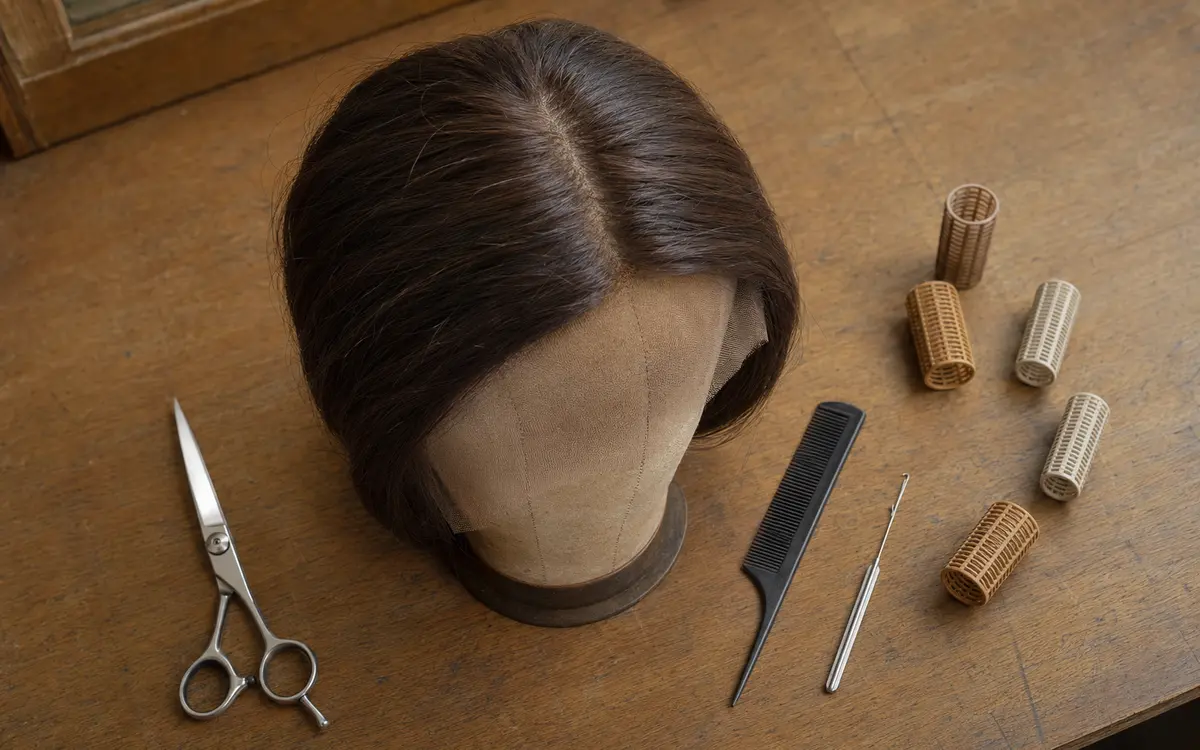
The two roles are often confused, and the line between them matters when you are deciding who to go to for what. A manufacturer — what LEV Wigs is — builds the wig from the ground up: sourcing the hair, sorting it, constructing the cap, and hand-ventilating every strand. The output is a complete but typically unstyled piece, built to specification.
A macher works downstream of that. The macher takes a finished piece and finishes it for a specific person — cutting, styling, setting, and maintaining it over its life. Most machers do not build caps or source raw hair; they apply artistry to a piece someone else built. A few do both, but the skills are genuinely different, and most specialists focus on one side.
Crucially, the relationship is collaborative rather than competitive. Many machers order custom, unstyled bases from factories so they can control the final cut and color themselves, then service those pieces for their clients for years. If you are a macher, that collaboration — factory-built base, artisan finish — is exactly what our bespoke commissions are built around.
The Skill
Macher vs Salon Stylist
A reasonable question is why a woman cannot simply take her sheitel to any good salon. The answer is that working on a human-hair wig is a different discipline from working with growing hair. A stylist who is excellent with natural hair can ruin a sheitel on the first visit, because the constraints are not the same.
Hair in a wig is not attached to a scalp. It has no natural oil source, so it dries out faster and cannot recover from harsh treatment the way growing hair can. The cap and lace are fragile and expensive to replace. Cutting must account for how the hair falls when the wig is worn, not how it sits on a block. Setting, washing, and coloring all use different products and temperatures than natural hair would. A macher trains specifically in these constraints — which is why the role exists as a specialty at all.
Training
How Someone Becomes a Macher
There is no single universal credential. Most machers learn through apprenticeship — working alongside an established macher, often for years, before taking on their own clients. The skill is hands-on: you learn to cut a sheitel by cutting sheitels under supervision, not from a textbook. Ventilating and lace repair, the most specialized parts of the work, take the longest to master because a single poorly placed knot is visible.
Community reputation is the real credential. A macher's work is on display every day on the heads of clients in the neighborhood, and a strong reputation spreads the same way. That is also why, when you are looking for a macher, the best signal is the finished work you can see around you.
For Clients
How to Find and Choose a Macher
If you are new to a community or looking for a change, the search is practical rather than complicated. A few principles help.
- Ask locally first. The machers women in your community trust are usually the right starting point, because their work is already vetted by people whose taste you share.
- Look at finished work. A macher should be able to show you sheitels they have cut and maintained. The proof is in the result, not the sales pitch.
- Check kosher and construction familiarity. If kosher construction matters to you, confirm the macher understands lined versus unlined caps and works to your standard.
- Start small. A first wash-and-set is a low-risk way to judge speed, care, and fit before committing to a cut or a repair.
A Note on Repairs
Not every macher does manufacturer-level repairs like re-ventilating or lace panel replacement — those are construction skills. For severe damage, the question is whether your macher handles it in-house or sends it to a factory. Our repair versus replacement guide helps you tell the difference.
FAQ
Frequently Asked Questions
A macher is the wig professional who cuts, styles, washes, sets, colors, and repairs sheitels for a community. Think of the macher as the artisan who keeps a sheitel looking right over years of wear, handling everything from a routine wash-and-set to re-ventilating a bald spot.
A manufacturer like LEV Wigs builds the wig from raw materials, sourcing hair and ventilating the cap. A macher takes a finished piece and finishes or services it for the individual wearer, cutting and styling it to her face. The two are complementary, and many machers order custom bases from factories.
Routine services like a wash-and-set or a trim are priced per visit and are modest. Specialized work, recoloring, and repairs like re-ventilating cost more because they are skilled hand labor. Prices vary by region and macher, so ask for a quote before committing to larger work.
Word of mouth inside your community is the most reliable path, because a macher's reputation is built on results people can see. Look for a portfolio of finished sheitels, familiarity with kosher construction, and willingness to explain what a service involves. A first wash-and-set is a low-risk way to test the fit.
Yes. Many machers order custom, unstyled bases from our Qingdao factory, finishing and personalizing the cut and color themselves. We build the foundation to their client's measurements; they apply the artistry. Our bespoke commissions page covers how that collaboration works.
Conclusion
The Artisan Behind the Wear
A macher is the artisan who keeps a sheitel wearable — cutting, styling, washing, setting, and repairing it over years of daily use. The role is distinct from a manufacturer: the factory builds the base, the macher finishes and maintains it, and the two work together. Finding a good macher comes down to community reputation and visible finished work.
If you are a macher looking for custom, unstyled bases built to your client's measurements, our Qingdao factory supplies exactly that. You handle the artistry; we handle the foundation.

Are You a Macher?
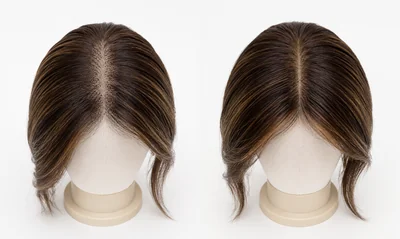
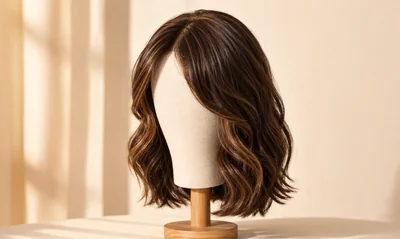
Our Qingdao factory builds custom, unstyled bases to your client's measurements, so you can own the cut, color, and finish. Tell us the constructions and specs you need and we will quote wholesale.
View Bespoke Commissions