Head Coverings
Sheitel vs Tichel: Which Is Right for You?
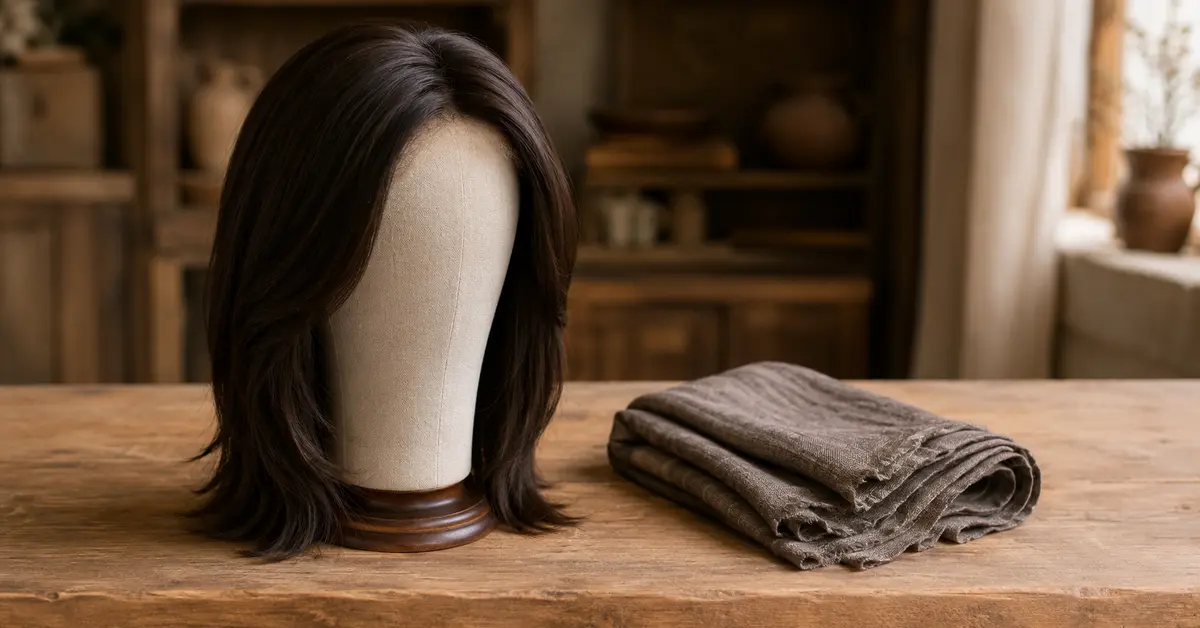
When a married Orthodox woman covers her hair, the two options she reaches for most often are a sheitel — a human hair wig — and a tichel — a cloth headscarf tied over the hair. Both fulfill the same purpose, but they feel completely different to wear, cost very different amounts, and suit different days, jobs, and communities. This guide compares them head to head, so you can choose what fits your life.
We should say plainly: LEV Wigs manufactures sheitels, not tichels. We are not neutral, and we will not pretend to be. But a comparison is only useful if it is honest, so where a tichel is the better choice we say so. For the wider landscape — snoods, hats, shpitzels, falls — our guide to every Jewish head covering covers the rest; here we focus on the two most common, in depth.
Key Takeaways
- A sheitel is a human hair wig that looks like hair; a tichel is a cloth scarf tied over the hair
- Tichels win on upfront cost, coolness, and casual convenience; sheitels win on realism, all-day security, and professional polish
- Over years of daily wear, a well-built sheitel can amortize against repeated scarf replacement
- The two are not mutually exclusive — many women wear both, choosing by day and occasion
- Some communities prefer clearly-non-hair coverings; community minhag and rabbinic guidance shape the choice
The Basics
What a Sheitel and a Tichel Actually Are
Sheitel — The Wig
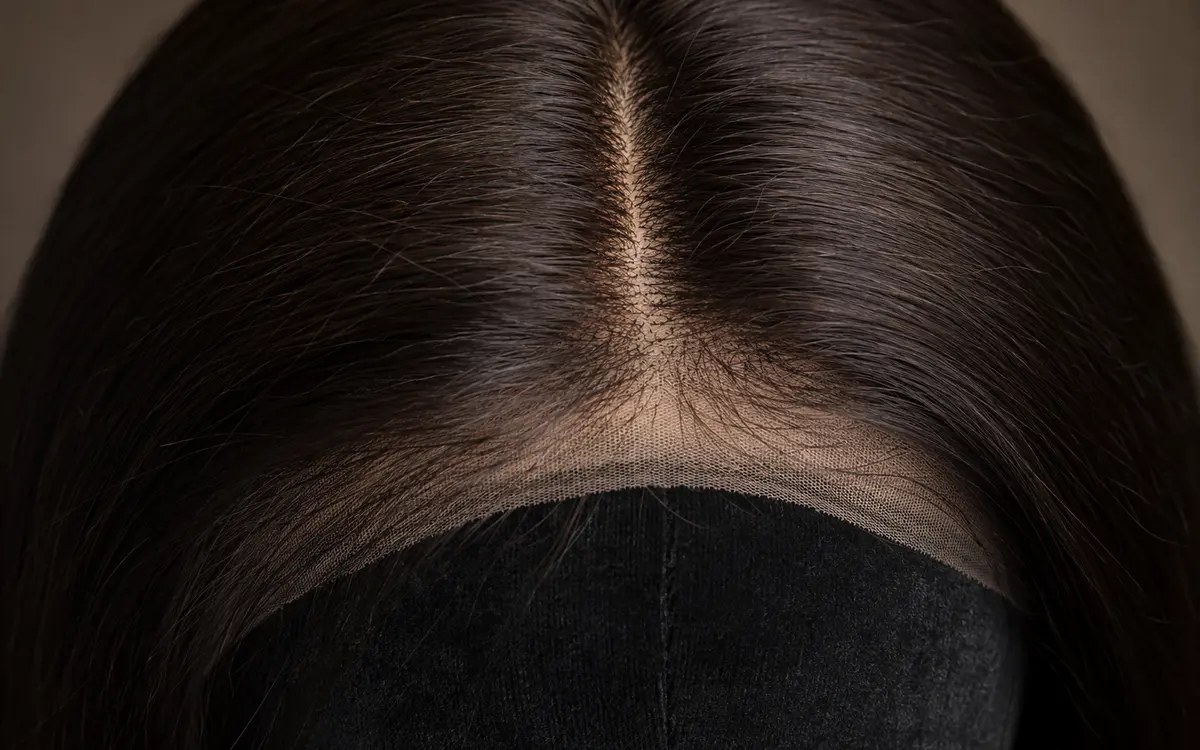
A sheitel is a wig built from human hair (most commonly) or synthetic fiber, constructed on a cap that sits against the head and covers the natural hair completely. Because it is made of hair, a well-built sheitel reads as the wearer's own hair — a lace or silk front creates a realistic hairline, and the parting can look like a scalp. Sheitels go on in the morning and stay put through the day with no re-tying. For the construction detail, our jewish wig types guide breaks down the cap options.
Tichel — The Headscarf
A tichel (Yiddish; the Hebrew term is mitpachat) is a piece of fabric — cotton, linen, silk, or a blend — folded and tied over the hair to cover it. It is unambiguously a covering rather than a hair replacement: it does not pretend to be hair, and the way it is tied becomes its own style. A tichel goes on and comes off freely, can be retied through the day, and a woman typically owns several to rotate.
Head to Head
Sheitel vs Tichel: Compared Point by Point
The decision comes down to a handful of practical factors. Here is how the two coverings stack up across the ones that matter most day to day.
| Factor | Sheitel (wig) | Tichel (scarf) |
|---|---|---|
| Look | Reads as natural hair | Clearly a fabric covering |
| Upfront cost | High (one-time purchase) | Low (a length of fabric) |
| Cost over years | Amortizes if well built | Repeats as scarves wear out |
| Daily effort | Put on once, stays put | Tie, adjust, retie through day |
| Breathability | Warmer, less airflow | Lighter, cooler |
| Security (slipping) | Stays in place once on | Can slip, needs retying |
| Weather | Good in wind and rain | Cooler in heat |
| Maintenance | Wash, condition, style on a stand | Machine or hand wash |
No row in this table is a knockout. The sheitel wins on realism and security; the tichel wins on cost and coolness. Which matters more depends entirely on the woman wearing it and the day she is dressing for.
For the Sheitel
When a Sheitel Is the Better Choice
A sheitel tends to win when the priority is looking like yourself, or when the day will not allow for fussing with a covering. A few situations where it is usually the stronger pick:
- Professional and public settings where you want your appearance to read as your own hair — offices, teaching, client-facing roles, formal events.
- Long days from morning until late evening, where re-tying a scarf through the day is impractical. A sheitel goes on once and stays.
- Wind and rain — a secured sheitel holds up in weather that would send a tied scarf slipping or flapping.
- Styling variety — a sheitel can be cut, colored, and styled, so a woman can change her look without changing her covering type.
The trade-off is cost and warmth. A human hair sheitel is a meaningful one-time purchase, and it is warmer than fabric in hot weather — which is exactly where the tichel pulls ahead.
For the Tichel
When a Tichel Is the Better Choice
We make sheitels, not scarves — but a tichel is genuinely the better tool for plenty of situations, and saying otherwise would be dishonest.
- Budget — if a human hair sheitel is out of reach right now, a tichel fulfills the same obligation for a small fraction of the cost.
- Heat and comfort — in hot, humid weather a light fabric scarf is markedly cooler and more breathable than a wig cap.
- At home and casual days — many women who own a sheitel still reach for a tichel around the house, where polish matters less than comfort.
- Communities that prefer non-hair coverings — some rabbis and communities favor coverings that are clearly not hair, where a tichel is the norm and a natural-looking sheitel is discouraged.
Honest Note
If your community or rabbi holds that a covering should not resemble hair, a tichel (or snood, or hat) is the right answer regardless of any other factor. Community guidance overrides preference. For the religious context behind this, our guide to why Jewish women cover their hair is the place to start.
Both
Wearing Both: The Hybrid Approach
The choice is not actually either-or. Plenty of women own a sheitel and several tichels and choose by the day — a scarf at home or on a hot afternoon, a sheitel for work or a simcha. Some build a wardrobe of coverings the way anyone builds a wardrobe of clothes, matched to occasion, weather, and mood.
There is also a middle option: a partial wig such as a sheitel fall worn with a scarf or band at the front, which blends the realism of hair with the breathability and clear-covering look of fabric. For women who want elements of both, the hybrid is worth understanding before committing to one path.
FAQ
Frequently Asked Questions
Upfront, yes — a tichel is a length of fabric and costs a fraction of a human hair sheitel. Over years of daily wear the math shifts, because a well-built sheitel lasts several years while scarves wear out, stretch, and need replacing. The sheitel is a larger one-time purchase; the tichel is many small ones.
It depends on what bothers you. A tichel is lighter and cooler in hot weather but must be tied and adjusted through the day, and can slip. A sheitel goes on once and stays put with no re-tying, but is warmer. Women who dislike adjusting their covering often prefer a sheitel; women who feel heat easily often prefer a tichel.
Most do, but acceptance varies. Some communities and rabbis prefer coverings that are clearly not hair, and discourage sheitels that look too natural. The decision is shaped by community minhag and rabbinic guidance. For the religious background, our guide to why Jewish women cover their hair goes deeper.
Yes, and many women do exactly this — a tichel at home or on casual days, a sheitel for work, events, or when they want a polished look. The two are not mutually exclusive. Some women also combine a partial wig with a scarf for a hybrid approach.
No. LEV Wigs manufactures human hair sheitels; we do not make or sell tichels. This guide compares the two honestly so you can choose what fits your life, and if you decide on a sheitel our Qingdao factory builds stock and custom units for individuals, salons, and wholesalers.
Conclusion
Choose by the Day You Actually Live
A sheitel and a tichel solve the same problem in two very different ways. The sheitel trades cost and warmth for realism, security, and all-day polish; the tichel trades realism and stability for low cost, coolness, and ease. Most women do not pick one for life — they pick the right tool for the day, and many own both.
If you have decided a sheitel belongs in your rotation, our Qingdao factory builds stock and custom human hair units for individuals, salons, and wholesalers. Tell us what you need and we will help you spec it.
Choosing a Sheitel?
Our Qingdao factory builds stock and custom human hair sheitels for individuals, salons, and wholesalers. If a sheitel is the right covering for your life, tell us what you need and we will help you spec it.
Contact LEV Wigs