Sheitel Care
How to Repair a Sheitel Wig: A Manufacturer's Guide
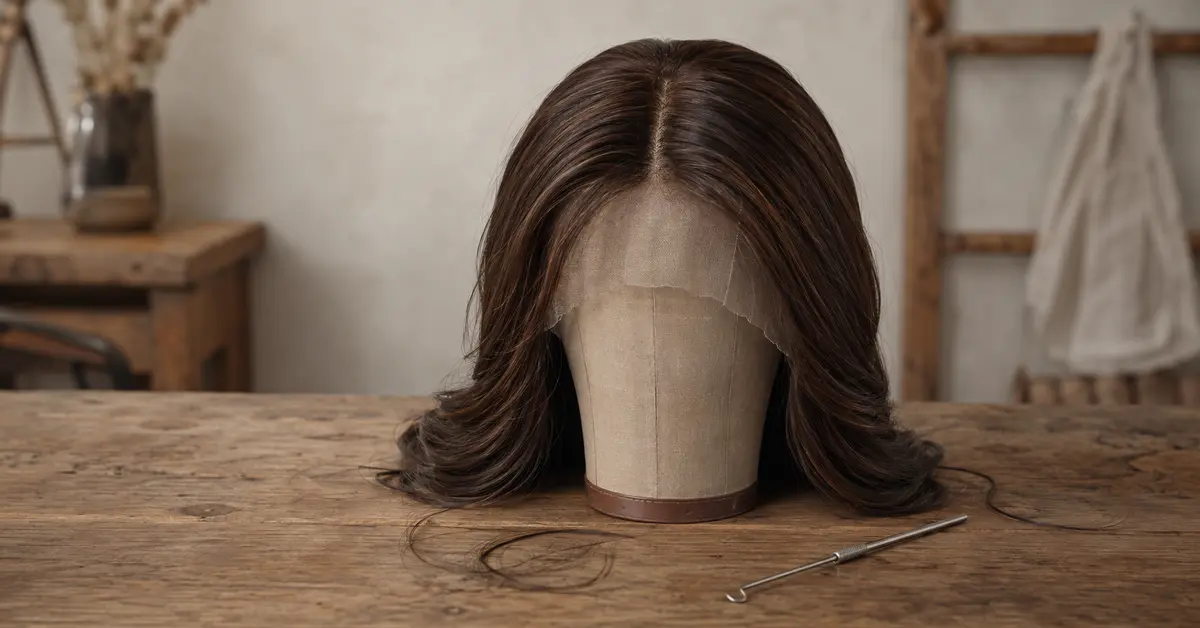
Most damage on a human hair sheitel — tangling, shedding, bald spots, torn lace, dry frizzy hair — can be repaired, either at home or by a professional. As the Qingdao workshop that both manufactures and refurbishes sheitels, we see every kind of damage come across our repair bench. This guide walks through how to fix each common issue, when to handle it yourself, and when the unit needs to go to a sheitel macher or back to the factory.
Daily religious wear is hard on a wig. A sheitel worn from morning until late evening, through Shabbat services, school runs, and weather, will eventually show wear no matter how well it was built. The same construction techniques used to make a sheitel — ventilating, lace work, wefting — are exactly what repair it. The difference between a unit that saves and one that gets ruined usually comes down to catching the damage early and matching the right method to each problem.
Key Takeaways
- Tangling and matting are the most common issue, and almost always fixable with patient dry detangling and deep conditioning
- Shedding usually means knots are slipping — a professional can re-knot or seal the wefts
- Bald spots require ventilating (hand-tying new hair into the cap), a manufacturer-level skill not suited to DIY
- Torn lace can be patched; severely discolored lace usually needs a full panel replacement
- Dry, frizzy hair responds well to oil treatments and gentle washing — avoid heat and rough handling
Start Here
Can a Sheitel Be Repaired?
Yes — most structural damage on a human hair sheitel is repairable. Tangling, shedding, small bald spots, torn lace, and dry or frizzy hair all have established fixes. The real question is usually whether repair costs less than replacement, and that depends on how widespread the damage is and which construction the unit uses. For the full repair-versus-replace decision, see our sheitel repair vs replacement guide; this article focuses on the how-to for each type of damage.
Problem 1
How to Fix a Tangled or Matted Sheitel
Tangling is the most common complaint we see, and the nape area is usually where it starts — hair rubbing against the collar turns into a felted mass if left alone. The fix is patience, not force.
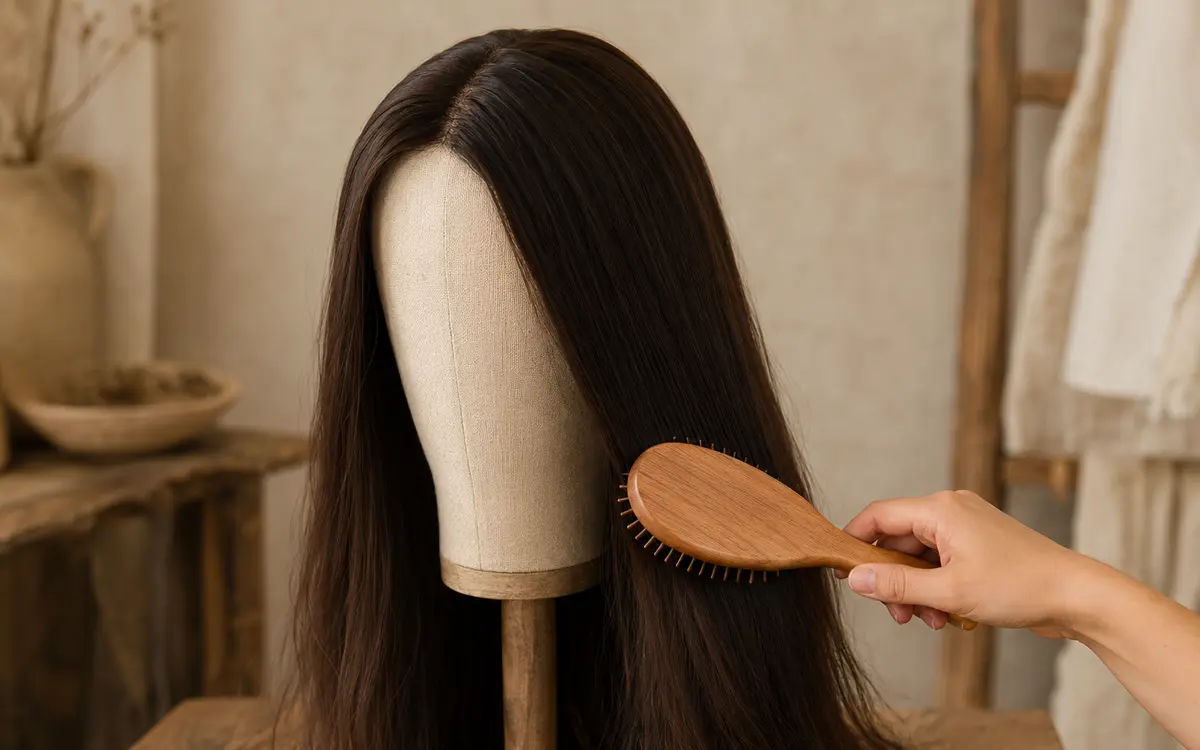
Start dry. Take a paddle brush or wide-tooth comb and work from the very ends upward, an inch at a time. If you hit a mat that will not give, stop pulling — yanking rips hair out of the cap and creates the bald spots you are trying to avoid. For a severe mat, soak the area in cool water with a small amount of fabric softener (roughly a 1:20 ratio) for fifteen minutes, then comb through gently with the hair saturated. Rinse, condition, and air-dry on a stand.
Factory Note
We receive units that have lost a third of their density to aggressive brushing. Once hair is pulled from the cap, only ventilating can put it back. Slow, section-by-section detangling saves the hair you still have.
Problem 2
How to Stop a Sheitel from Shedding
Some shedding is normal — every hand-tied sheitel loses a few strands per wear. When shedding becomes heavy, the knots are slipping through the lace or wefts. Two habits slow it down: brush only when the hair is damp (never soak-wet and never aggressively dry), and never scratch or pick at the cap from underneath, which pushes knots outward.
If shedding stays heavy after changing your brushing habits, the cap needs professional attention. A sheitel macher or factory can re-knot loose areas or seal the wefts so existing knots hold. This is delicate work on a lace base, which is why most owners send the unit out rather than attempt it at home.
Problem 3
How to Repair Bald Spots: The Ventilating Process
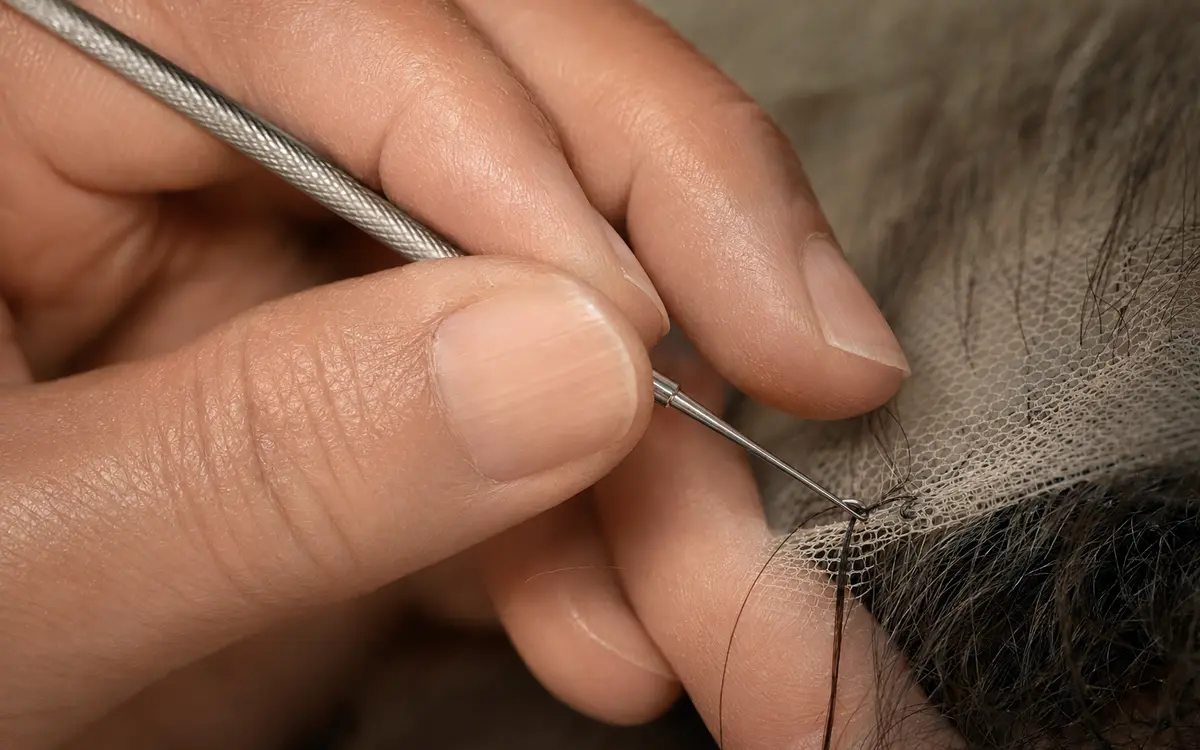
A bald spot — where hair has thinned enough to show the cap underneath — is the repair most owners cannot do themselves. The fix is ventilating: using a small hooked needle (a ventilating hook) to pull individual strands through the lace or weft and knot them in place, one hair at a time, until the density matches the surrounding area.
This is the same technique used to build a sheitel from scratch. In our Qingdao workshop, ventilating is daily work — a full cap takes tens of thousands of knots, tied by hand. Patching a bald spot is the same skill at a smaller scale. The technician matches hair origin, color, and curl to the existing hair, then ties new strands into the bare patch until the scalp no longer shows through. Done well, the repair is invisible.
Ventilating is not a home repair. The hook is sharp, the lace is fragile, and an uneven knot pattern looks worse than the bald spot. If your sheitel has a thinning patch, this is the point to send it to a sheitel macher or back to the manufacturer rather than attempt it yourself.
Problem 4
How to Repair Torn or Damaged Lace
Lace damage falls into two types. A small tear or hole in the lace mesh can be patched — a technician sews a matching lace scrap behind the hole and re-ventilates hair across it so the patch blends in. This works well for accidental snags and small friction tears.
The second type is lace that has discolored, stretched, or broken down across a wide area — common at the front hairline after a long period of adhesive use. Patching will not fix this. The solution is a lace panel replacement: the old lace section is removed and a fresh piece of Swiss lace is sewn in and re-ventilated. It is one of the larger repairs, but it restores a hairline that no amount of cleaning can bring back.
Problem 5
How to Restore Dry and Frizzy Sheitel Hair
Dry, frizzy hair has usually lost its natural oils — common in European hair after months of washing without conditioning. The fix is moisture, delivered gently.
Start with a pre-wash oil treatment: work a small amount of argan, coconut, or Buriti oil through the mid-lengths and ends, leave it for thirty minutes, then wash with cool water and a mild, sulfate-free shampoo. Follow with a deep conditioner left in for fifteen to thirty minutes. Rinse, and let the unit air-dry on a canvas stand — never wring it out and never blow-dry on high heat. Repeat the oil treatment every few weeks for hair that has gone badly dry.
Avoid the things that caused the dryness in the first place: hot water, harsh detergents, and frequent heat styling. For daily washing and care routines that prevent this damage, see our lace top sheitel washing guide.
Decision
DIY Repair vs Professional Sheitel Repair
Some repairs belong at home and some belong on a workbench. As a rule, anything that is about hair condition — tangling, dryness, mild frizz, daily brushing — can be handled by the owner with the right products and patience. These are care tasks, not construction tasks.
Anything that changes the cap or re-ties hair belongs to a professional. Ventilating bald spots, lace patching and panel replacement, re-knotting loose areas, and recoloring all require tools and training most owners do not have. A sheitel macher in your community is the first stop for these; for units bought from us, our factory team also takes mailed-in repairs and handles the construction-level work directly.
| Repair Type | DIY | Professional |
|---|---|---|
| Tangling & matting | Yes | Severe cases |
| Dry, frizzy hair | Yes | — |
| Light shedding | Prevention only | Re-knot / seal |
| Bald spots | No | Ventilating |
| Torn / discolored lace | No | Patch / replace |
FAQ
Frequently Asked Questions
Yes for care-level issues like tangling, dryness, and mild frizz, which need the right brush, oil treatments, and gentle washing. No for anything that changes the cap, such as ventilating bald spots or replacing lace, which require a sheitel macher or factory.
Cost depends on the damage and the construction. Detangling and conditioning are inexpensive or free if you do them yourself. Ventilating bald spots and lace panel replacement are skilled labor and cost more, sometimes approaching the price of a new entry-level unit for severe damage. Ask for a quote before committing.
A small bald spot takes a skilled technician several hours of focused hand-tying, because each strand is knotted individually to match the surrounding density, direction, and color. Larger patches take proportionally longer, which is why ventilating is priced as skilled labor.
Replace when the cap itself is breaking down, such as widespread lace discoloration, a cap that no longer holds its shape, or damage across so many areas that repair costs approach the price of a new unit. Our repair versus replacement guide walks through this decision in detail.
Yes. Salons and sheitel machers send us bulk repair work, including ventilating, lace panel replacement, re-knotting, and recoloring, because our Qingdao workshop handles manufacturer-level construction at scale. Contact our team with the volume and damage types for a wholesale repair quote and turnaround.
Conclusion
Most Sheitel Damage Is Fixable
Tangling, dryness, and mild frizz are home repairs — handled with patience, the right products, and gentle brushing. Shedding, bald spots, and lace damage need a professional, because they involve re-tying hair or rebuilding the cap. The skill that fixes a sheitel is the same skill that built it, which is why manufacturer-level repairs like ventilating are best left to a workbench.
If your sheitel has damage you are unsure how to approach, send our factory team a few photos. We will tell you whether it is a home care task, a repair we can handle, or a case where replacement makes more sense.
Need a Sheitel Repaired?
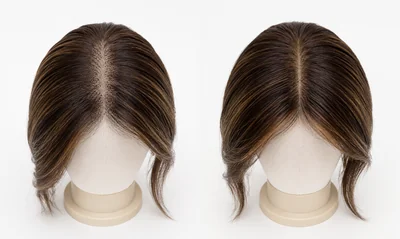
Our Qingdao factory team handles ventilating, lace repair, re-knotting, and recoloring on sheitels from any source. Send us photos of the damage and we will quote the repair.
Contact LEV Wigs