Hair Topper Guide
Silk Top vs Lace Top Hair Toppers for Wholesale Buyers

Base construction determines roughly 80% of your client's satisfaction with a hair topper. The hair quality matters, certainly. Cut and density contribute too. However, if the base material feels uncomfortable, looks detectable, or wears out after three months, none of those details save the sale. That reality is why the choice between silk top hair toppers and lace top alternatives carries so much weight for salon owners and wholesale buyers. According to the American Academy of Dermatology, nearly 50% of women experience visible hair loss by age 40 — making realistic toppers a fast-growing product category.
At our Qingdao workshop, we manufacture both constructions daily. That gives us a clear view of where each excels and where each falls short. This comparison walks you through the structural differences, real-world durability data, and specific client profiles that favor one over the other. By the time you finish reading, you will know which to recommend and when to reach out to our factory for wholesale pricing.
Base Construction
What Is a Silk Top Hair Topper?
A silk top hair topper is a partial hair piece constructed with a multi-layer silk membrane. It conceals all hair knots between the silk and lace layers. This creates the illusion of hair growing directly from the scalp. The silk fabric sits on top, the lace mesh sits underneath, and the individual hair knots are trapped between the two layers. As a result, no knots are visible from any angle, even under close inspection.
Why the Scalp Effect Looks Different
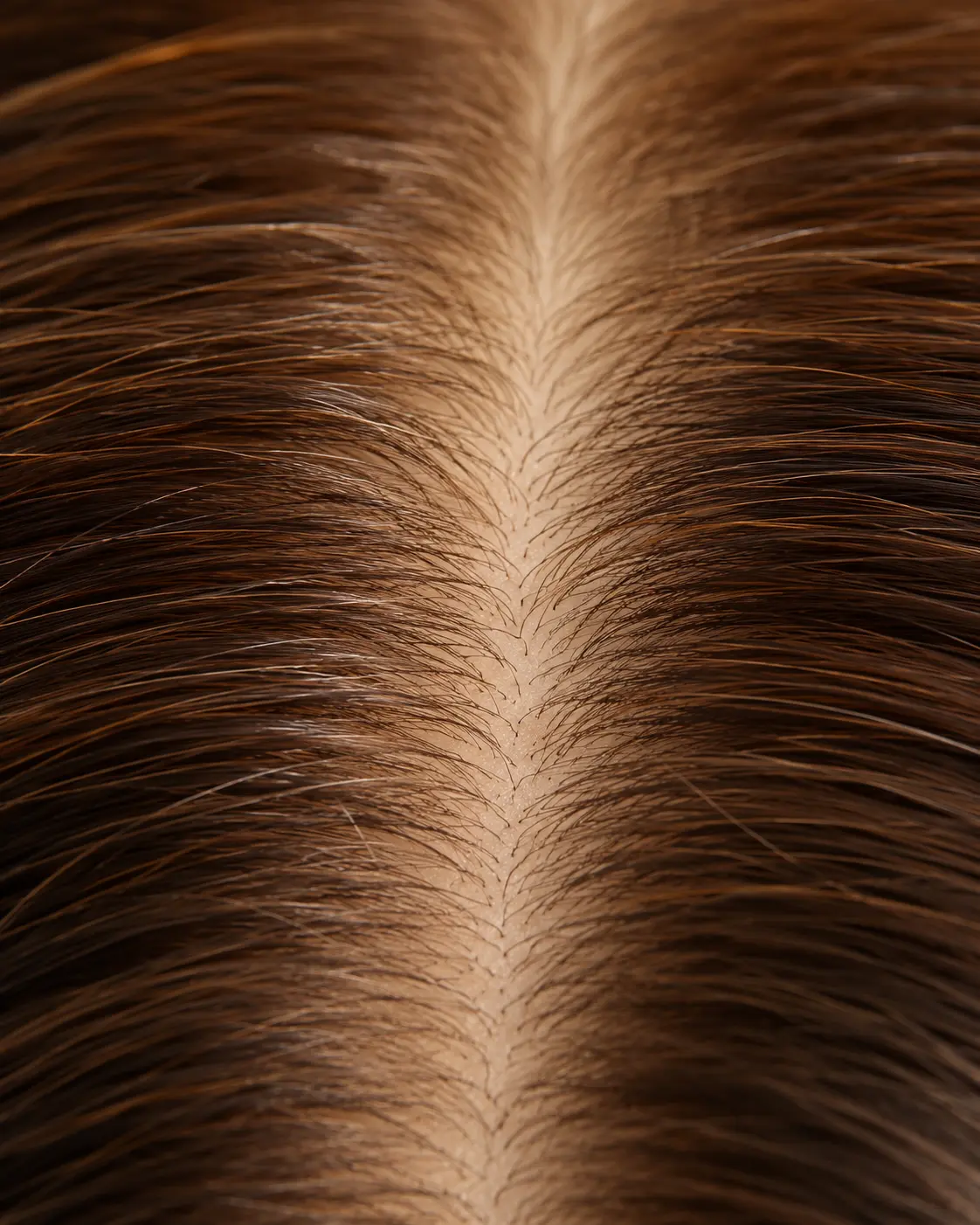
The result is a base that looks like actual skin. When you part the hair on a silk top topper, the visible "scalp" is the silk fabric itself, not a layer of bleached knots or tinted mesh. Moreover, the construction allows multi-directional parting across the entire base area, not just along a single pre-set part line. For clients who change their part throughout the day, this flexibility removes a common frustration with other base types.
How the Triple-Layer System Works
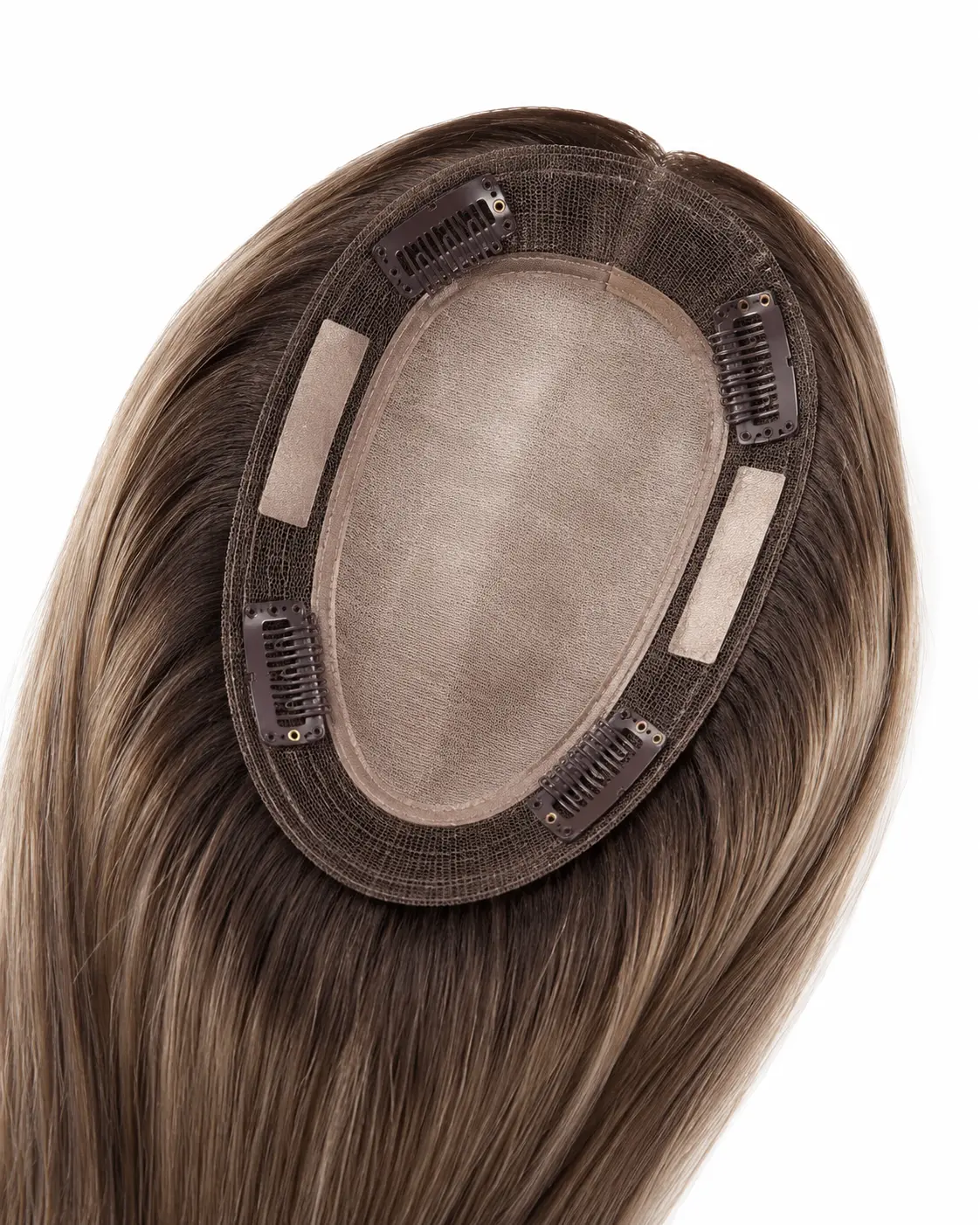
The system uses three distinct layers stacked together. The top layer is a flesh-toned silk fabric that serves as the visible "scalp." Beneath it, a fine lace mesh provides structural support. At the bottom, hair strands are hand-tied with individual knots. Each strand is pulled through both the lace and the silk, so the hair emerges from the silk surface while the knot remains locked between the lace and silk layers. This sandwich technique is what makes the knots invisible and gives silk top toppers their signature realism.
The silk layer itself is dyed to match a range of scalp tones during production. Our Qingdao factory offers 5 standard silk tones (fair, light, medium, tan, deep), with custom tinting available for wholesale orders of 20 units or more. This helps the base blend with the wearer's skin without additional tinting or concealer at the salon level.
Comparison
What Is a Lace Top Hair Topper?
A lace top hair topper uses a single layer of lace mesh as the base material. Each hair strand is hand-tied directly onto the lace with individual knots that sit on the surface. Unlike the silk top, there is no secondary layer to conceal those knots. As a result, the knots are visible upon close inspection unless they have been bleached or tinted to match the lace color.
The primary advantage of lace top construction is breathability. Its single-layer mesh allows air circulation through the entire base, which makes a noticeable difference in hot or humid environments. For example, clients in tropical climates consistently report greater comfort with lace top wigs and toppers compared to multi-layer alternatives. In fact, the weight difference is measurable: a typical lace top topper base weighs 30% less than a comparable silk top unit.
Trade-offs to Consider
However, that lighter weight comes with trade-offs. Lace top toppers require periodic knot bleaching to maintain a natural appearance at the scalp. Without bleaching, the dark knots show through as small dots, especially under bright lighting. For salon owners, this means either bleaching in-house before delivery or educating clients on the maintenance cycle. Lace top units therefore carry a higher after-sale service requirement that factors into your staffing and appointment scheduling.
Head to Head
Silk Top vs Lace Top: Head-to-Head Comparison
The table below breaks down how each construction performs across the factors that matter most to wholesale buyers and their end clients. We based these ratings on data from our Qingdao production line and feedback from salon partners worldwide.
| Feature | Silk Top | Lace Top |
|---|---|---|
| Scalp Realism | Excellent — knots fully hidden | Good — knots visible without bleaching |
| Breathability | Moderate — triple layer traps heat | Excellent — single mesh airflow |
| Durability | 18 to 24 months daily wear | 12 to 18 months daily wear |
| Knot Visibility | Zero — silk conceals all knots | Requires bleaching every 4 to 6 weeks |
| Parting Flexibility | Full 360-degree multi-directional | Limited to hand-tied zones only |
| Price Point (Wholesale) | Higher — more labor-intensive build | Lower — single-layer construction |
| Maintenance Level | Low — no bleaching or concealer needed | High — periodic knot bleaching required |
A salon owner in Brooklyn told us she switched her entire topper inventory to silk top after three clients returned lace top pieces complaining about visible knots at the crown. She now orders exclusively from our Qingdao workshop and says her return rate dropped from 12% to under 2%.
Wholesale Partner Feedback, Brooklyn NYWhat the Data Shows
The data tells a clear story. Silk top wins on realism, durability, and maintenance. Lace top wins on breathability and price. The right choice depends entirely on your client profile, your climate, and how much post-sale service your salon is equipped to provide. For a deeper look at how these constructions perform in full wig format, see our lace top vs silk top sheitels guide.
Recommendations
When to Choose Silk Top Hair Toppers
Social and Professional Settings
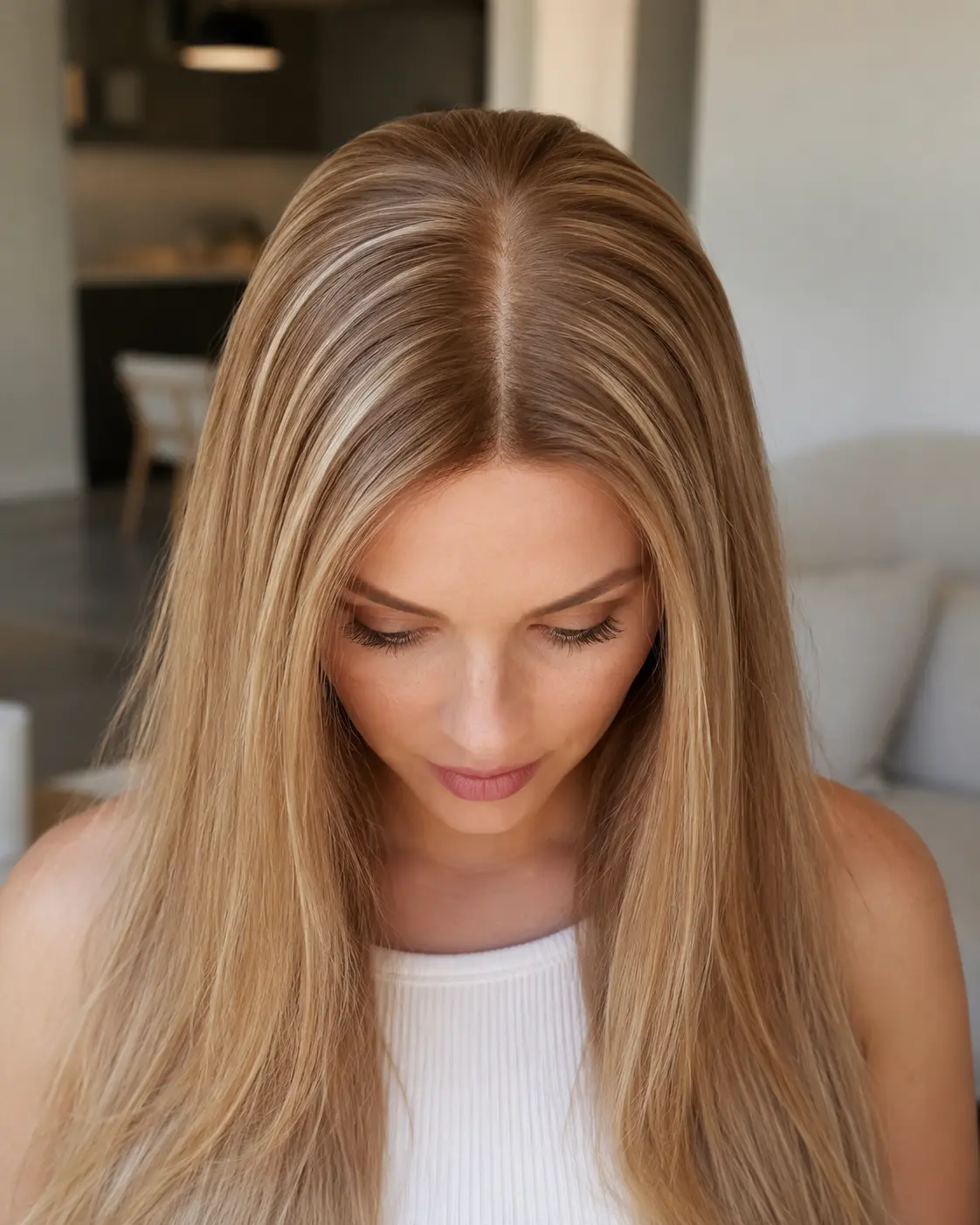
Silk top hair toppers are the right recommendation when detectability is the primary concern. Clients who attend close-range social events benefit most from the knot-free scalp appearance. The same applies to those who sit across from colleagues in meetings. From arm's length, a well-made silk top base is difficult to distinguish from natural scalp growth.
Styling Flexibility and Maintenance
Silk top suits clients who change their hair part regularly. The multi-directional parting capability means the topper looks natural whether the part is down the center, swept to the side, or pulled back into a low ponytail. By contrast, lace top units often reveal their base along non-standard part lines.
Clients who want zero base maintenance also gravitate toward silk top. There is no bleaching schedule, no concealer application, and no touch-up appointments. For busy professionals, the silk top's low-maintenance nature is a significant selling point. Orthodox Jewish clients often request silk top construction for its realistic appearance during daily community life, and our Qingdao factory provides kosher-certified options for that market segment.
Quality Assurance on Our Production Line
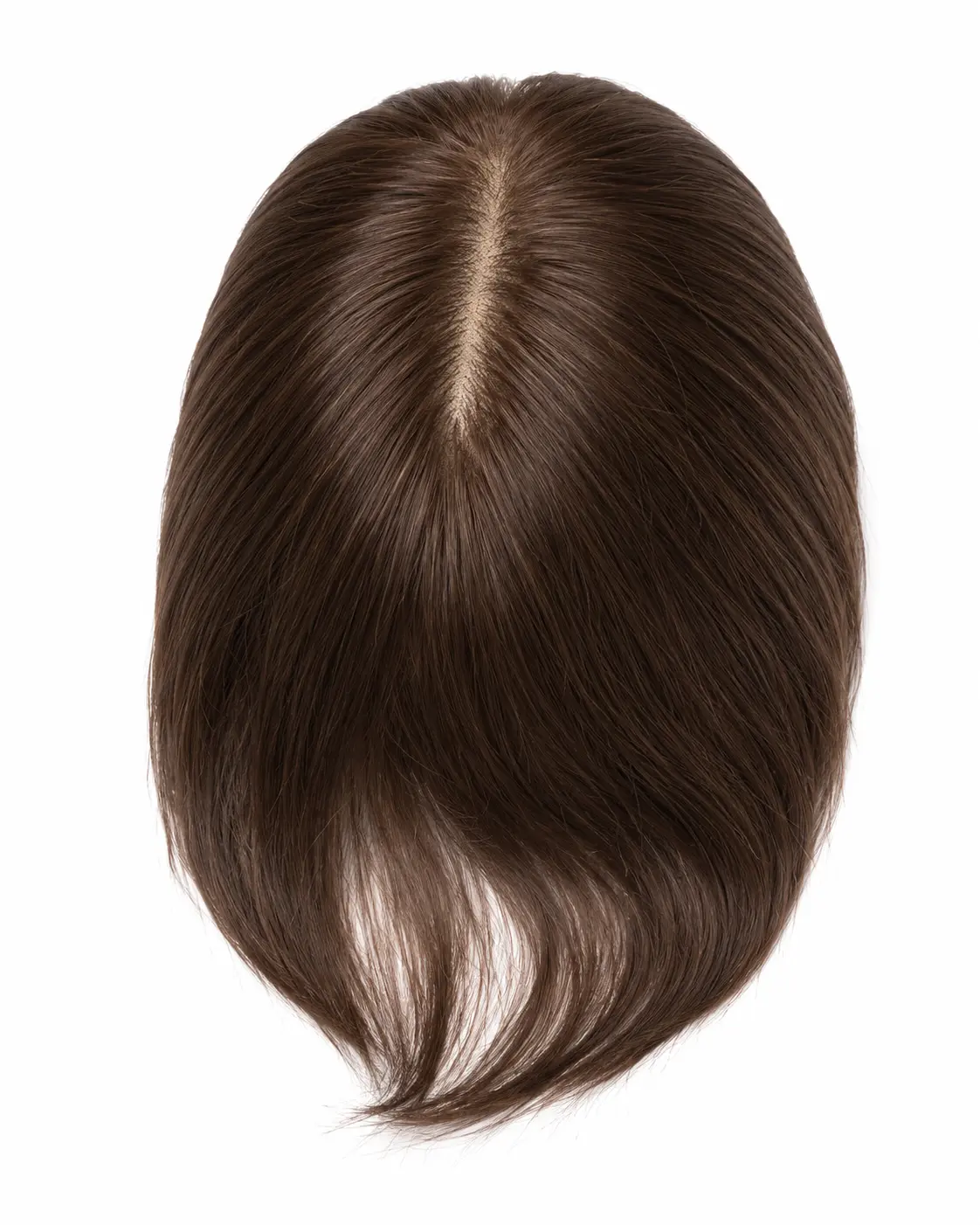
Our production line for LEV silk top toppers uses European-cuticle hair hand-tied onto the triple-layer base. Each unit passes through our quality inspection station. There we verify knot concealment under 3x magnification. The result is a product that performs consistently across hundreds of wholesale orders.
Recommendations
When to Recommend Lace Top
Lace top toppers earn their place in environments where breathability outweighs every other factor. Clients living in hot and humid climates often find multi-layer bases uncomfortably warm after a few hours of wear. The single lace mesh allows continuous airflow, keeping the scalp cooler and reducing perspiration buildup.
Budget-conscious first-time buyers also represent a strong fit for lace top. The lower wholesale price point allows salons to offer an entry-level topper that lets new clients test the concept before investing in a premium silk top unit. In our experience, many first-time lace top buyers upgrade to silk top wigs within six to twelve months once they understand the maintenance difference firsthand.
Clients comfortable with periodic knot bleaching — either doing it themselves or visiting your salon every four to six weeks — can achieve excellent results with lace top construction. The key is setting clear expectations about the maintenance schedule at the point of sale.
Alternatives
The Mono Top Alternative
Monofilament top toppers occupy the middle ground between silk and lace. In a mono top construction, each hair strand is hand-tied onto a single layer of translucent monofilament mesh. The knots sit under the mesh layer rather than on top. This provides partial concealment — better than bare lace, but not as complete as the silk top's triple-layer sandwich.
Breathability falls between the two as well. The single mesh layer allows more airflow than the triple-layer silk top, but the material is denser than lace, so ventilation is not as effective. The price point also lands in the middle: more expensive than lace top due to the hand-tied labor, less expensive than silk top because there is no silk layer cutting and alignment step. For wholesalers building a tiered product catalog, mono top toppers work well as the mid-range option between a budget lace top and a premium silk top.
Factory Process
How LEV Wigs Manufactures Silk Top Toppers
Our manufacturing process for silk top hair toppers follows a strict sequence at our Qingdao workshop. We call our approach Invisible Scalp Technology. It is a triple-layer construction method that makes every knot disappear between the silk and lace layers. For hair sourcing, we use European and Mongolian origins for cuticle alignment and natural movement. First, the silk fabric is cut to match the topper base template. Then it is dyed to the requested scalp tone. Next, the lace mesh layer is aligned beneath the silk. Our artisans then hand-tie each hair strand through both layers using a ventilation needle. This locks the knot between the silk and lace. In total, a single silk top topper base requires approximately 40 hours of hand-tying labor across our production line.
Quality Inspection Process
After ventilation, each silk top topper passes through our quality inspection station where we verify knot concealment under 3x magnification. Our technicians check every square centimeter of the base for exposed knots, loose strands, or silk layer misalignment. Any unit that fails is reworked before it ships. This inspection step adds time to our production cycle; however, it ensures that every wholesale order arrives at your door with zero visible knots across the entire base area.
We also offer custom silk tone matching for wholesale orders of 20 units or more, custom density gradients from 100% to 180%, and lengths from 10 to 24 inches. Please reach out to our team for a detailed spec sheet and wholesale pricing tailored to your salon's needs.
FAQ
Frequently Asked Questions
Is silk top worth the extra cost over lace top?
For most salon clients, yes. The silk top eliminates visible knots entirely, which means zero base maintenance for the end wearer. Your salon saves on bleaching labor, concealer products, and return visits for knot touch-ups. Over a 12-month period, the labor savings alone often offset the higher per-unit cost. Silk top toppers also command a premium at retail, so your margin per unit is typically higher even with the greater wholesale price.
Can you swim or exercise with a silk top topper?
Yes, though we recommend rinsing with clean water afterward. Chlorine and salt can dry out the hair over time. Additionally, secure the base with adhesive tape for high-impact activities to prevent shifting.
How often should I replace my silk top topper?
A well-maintained silk top topper lasts 18 to 24 months with daily wear. The triple-layer construction protects the knots from friction and UV exposure, which extends the base lifespan compared to single-layer lace. Clients who rotate between two toppers regularly see 30 months or more from each piece. The most common reason for replacement is density loss at the crown, not base failure. We recommend ordering a replacement when you notice the silk layer beginning to separate from the lace underneath, which typically happens around the 20-month mark with daily use.
Do silk top toppers work for all hair types?
Silk top toppers work well for most hair types, including fine, medium, and coarse textures. The key is matching the topper hair density to the client's natural hair. For example, for very fine hair, we recommend 100% to 120% density. Meanwhile, thicker natural hair pairs better with 150% and above.
Can I color or heat-style a silk top topper?
Both are possible with human hair silk top toppers. Color processing should be done by a professional, and we recommend staying within two shades of the original color to preserve hair integrity. Heat styling is safe up to 350 degrees Fahrenheit with a heat protectant. However, avoid applying direct heat to the silk base itself, as prolonged exposure can weaken the membrane bond. Our workshop uses European-cuticle hair that tolerates color and heat well, but we always advise ordering the closest pre-colored match to minimize chemical processing after purchase.
Conclusion
Choosing the Right Topper Base for Your Clients
Silk top hair toppers deliver unmatched scalp realism, zero maintenance, and multi-directional parting. They are the right choice for clients who prioritize an undetectable appearance and low after-sale service. In contrast, lace top toppers offer superior breathability, a lower wholesale price, and lighter weight. They suit clients in hot climates, budget-conscious first-time buyers, and those willing to maintain a bleaching schedule.
For wholesalers building a product catalog, carrying both constructions lets you serve every client profile. Stock silk top for your premium tier and lace top for your entry-level tier. Then use mono top as a mid-range option to fill the gap. Our Qingdao factory produces all three constructions with consistent quality standards, so your clients receive the same level of craftsmanship regardless of which base they choose.
If you are evaluating silk top toppers for your wholesale inventory, contact our team to request samples. We also provide spec sheets and per-unit pricing at your target volume. Orders ship worldwide from our Qingdao workshop with standard lead times of 15 to 25 business days for production orders.


Ready to Stock Silk Top Toppers?
Whether you're expanding your salon's hair loss solutions or building a wholesale catalog, our team in Qingdao is ready to help you select the right silk top toppers for your clients.
Request Wholesale Pricing