Sheitel Care
Can You Sleep in a Wig? A Sheitel Maker's Answer
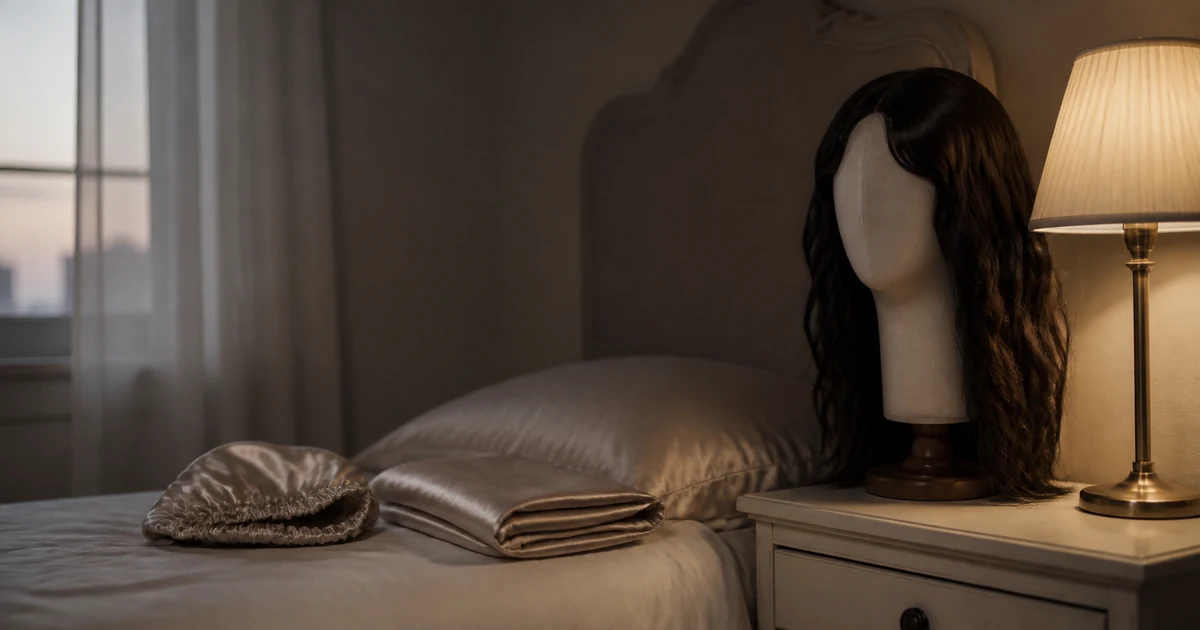
The question arrives at every care conversation we have, usually in a lowered voice: can you sleep in it? The honest answer from the bench where these units are built is two sentences long. Yes, you can — and every night you do, you spend a little of the unit's life to do it. This guide explains what a night actually costs, how to protect a sheitel when sleeping in it is unavoidable, and the habits that add years instead of subtracting them.
Although we build sheitels — Jewish wigs worn for daily religious covering — everything here applies to any quality human hair wig, because the physics of friction, cuticles, and caps do not care about the reason the unit is worn.
The Answer
The Direct Answer
You can sleep in a wig. You should not make a habit of it. An occasional protected night — travel, illness, a night where removal is genuinely impractical — will not end a well-made unit. But nightly wear in bed is the fastest way to age one, because beds are engineered for sleepers, not for hair: cotton bedding grips cuticles, pillows compress caps, and eight hours of turning does the work of weeks of daytime wear.
The comparison we give buyers: think of the unit the way you think of good leather shoes. Wear them daily, yes — but nobody sleeps in their shoes, and nobody expects the pair worn to bed to look like the pair that came off at night. The sheitel that comes off at night and stands in its place will outlast its slept-in twin by a visible margin.
The Damage
What a Night in a Wig Actually Costs
Four mechanisms run from the moment your head hits the pillow.
- Friction against bedding. Cotton pillowcases grip the hair's cuticle layer as you move. Repeated dragging roughens the cuticles until they no longer lie flat — the unit loses its natural sheen and starts to frizz, and no product fully reverses it.
- Self-tangling at the nape. The hair at the nape moves least while the head moves most, so it wraps around itself all night. Nape matting is the signature damage of slept-in wigs, and it is the zone repairs struggle most to rescue.
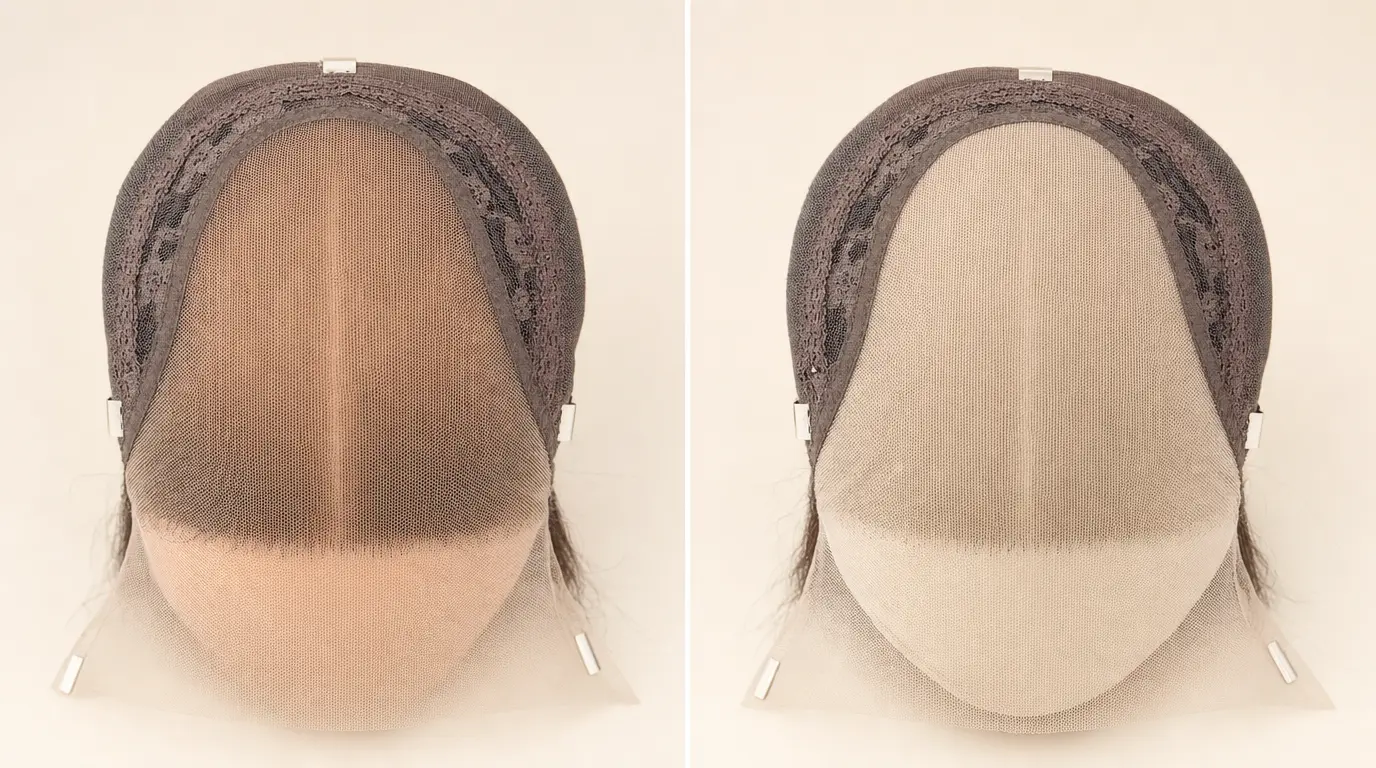
- Cap stress and stretch. The weight of a head on a compressed cap stretches the perimeter and the elastic zones. A cap that has been slept in repeatedly fits looser, rides up, and stops holding its line at the front.
- Knot-zone stress. On hand-tied tops — lace and silk constructions — the constant micro-movement works at the knots. This is the slowest damage to appear and the most expensive to fix, because redoing a top approaches the cost of rebuilding it.
Damage Control
If You Must Sleep in It
Sometimes removal is not realistic — recovery from illness, travel, or a night where the practical answer is to stay covered. On those nights, run this sequence and the unit survives them.
- Braid loosely. One loose braid, secured with a soft tie. Loose is the operative word — a tight braid creases the hair and presses a ridge into the style that resists brushing out.
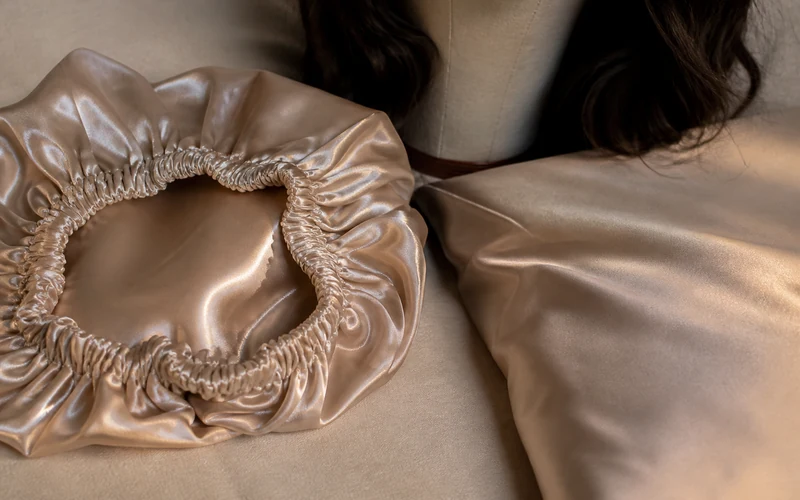
- Add a satin layer. A satin bonnet over the braided unit, or a satin pillowcase under it. Satin lets the hair slide instead of grip, removing most of the friction mechanism in one move.
- Remove every pin and clip. Nothing metal or rigid stays in overnight — pressure points against a scalp for eight hours are comfort damage at best and cap punctures at worst.
- Treat the next morning as a recovery, not a rush. Detangle patiently, ends-first, before any styling (the routine below).
What this sequence does not change: the cap still compresses and the knots still work. Protection reduces the damage; it does not buy immunity — which is why the habit, not the exception, is what decides a unit's lifespan.
The Habit
The Better Habit: Off, Brushed, Stood
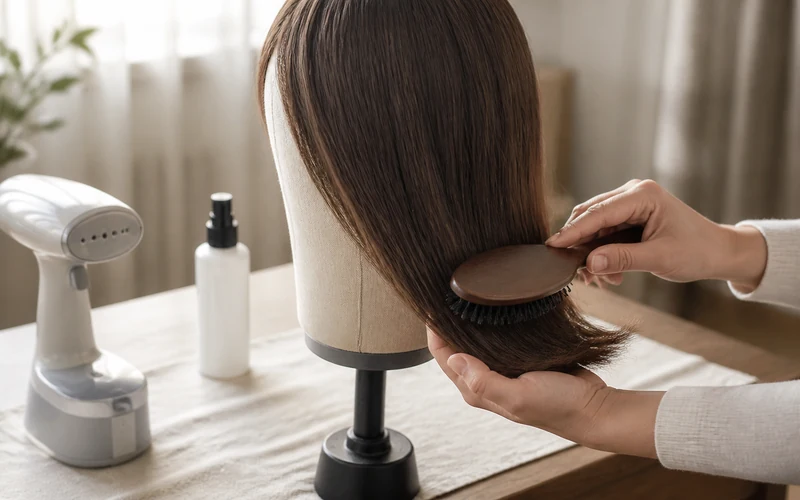
The nightly routine that adds years takes ninety seconds. Remove the unit. Give it a gentle brush, starting from the ends and working up — never root-first, because root-first brushing packs tangles into the knots instead of clearing them. Then stand it upright on its stand or form, in a spot with airflow, away from direct heat.
Why the stand matters so much is explained fully in our factory-approved wig storage guide — the short version is that a stood unit relaxes in its own shape, dries evenly, and presents the style to the morning intact. A unit dumped on a nightstand, however good, meets the morning half-crushed.
Recovery
The Morning Recovery Routine
Whether the unit slept on the stand or, exceptionally, on the head, mornings follow the same three steps. Brush ends-first with the brush your manufacturer recommends. Steam or lightly mist to reactivate the style — European human hair responds to steam the way it responded to the original set. And resist the instinct to wash: washing is a schedule event, not a morning event, and the correct frequency lives in our lace top washing guide.
For the full maintenance calendar — washing, conditioning, service intervals, and what belongs with a professional — our sheitel care guide is the complete reference.
FAQ
Sleeping in a Wig: Common Questions
You can, but it costs you. A night of friction against ordinary bedding roughens the cuticle, tangles the nape, and stresses the cap — every night you sleep in a wig is lifespan you do not get back. Remove the unit for sleep whenever possible; when you cannot, a loose braid plus a satin bonnet or satin pillowcase is the damage-control minimum.
Human hair tolerates an occasional night better than synthetic, but it is not exempt from friction damage. The tell-tale signs show up at the nape first — matted, tangled sections that no longer brush out cleanly. Treat an overnight wear as an occasional exception with protection, never as the default.
Satin dramatically reduces friction, which is the main enemy, so it is the single best upgrade you can make. But it does not eliminate pressure on the cap or knots. Combine satin with a loose braid to stop the hair from rubbing against itself, and still remove the unit on normal nights.
One night will not; a habit will. Repeated nightly wear accelerates matting at the nape, loosens cap stretch, and can stress the hand-tied zones of lace and silk tops. Units slept in regularly age visibly faster than units removed nightly and stored on a stand — the difference shows within months, not years.
If the unit must stay on, braid it loosely — tight braids crease the hair — and rest on satin. If the unit comes off, brush it ends-first, and stand it upright so the fibers relax in shape. Morning tangling is almost always a storage and friction problem, and both fixes are cheaper than a repair.
Closing
Nights Decide the Years
A sheitel spends its days with you and its nights somewhere else — on a stand, brushed and relaxed, ready for morning. Protect the exceptions with a braid and satin, keep the habit honest, and the unit you invested in will still be the unit you are wearing years from now.
Keep the maintenance thread going with the storage guide and the washing guide — the two habits that pair with nightly removal to make a sheitel last.

Buying Sheitels Built to Last?
LEV Wigs constructs sheitels for years of daily religious wear — knot work, cap recovery, and cuticle-aligned European hair specified in writing. Ask us what that means for your climate and routine.
Start a Sheitel InquiryRequest Wholesale Terms