Jewish Culture Guide
Why Do Jewish Women Wear Wigs: Complete Cultural Guide

You've likely noticed Orthodox Jewish women wearing beautiful, natural-looking hair and wondered — is that a wig? In fact, the question comes up more often than you'd think. As a sheitel manufacturer in Qingdao for over a decade, we hear this question weekly from buyers, journalists, and curious customers alike. Therefore, the global wig market reaching $7.81 billion in 2024 matters to this community because Orthodox Jewish buyers represent one of the most consistent demand segments in that market.
The Short Answer
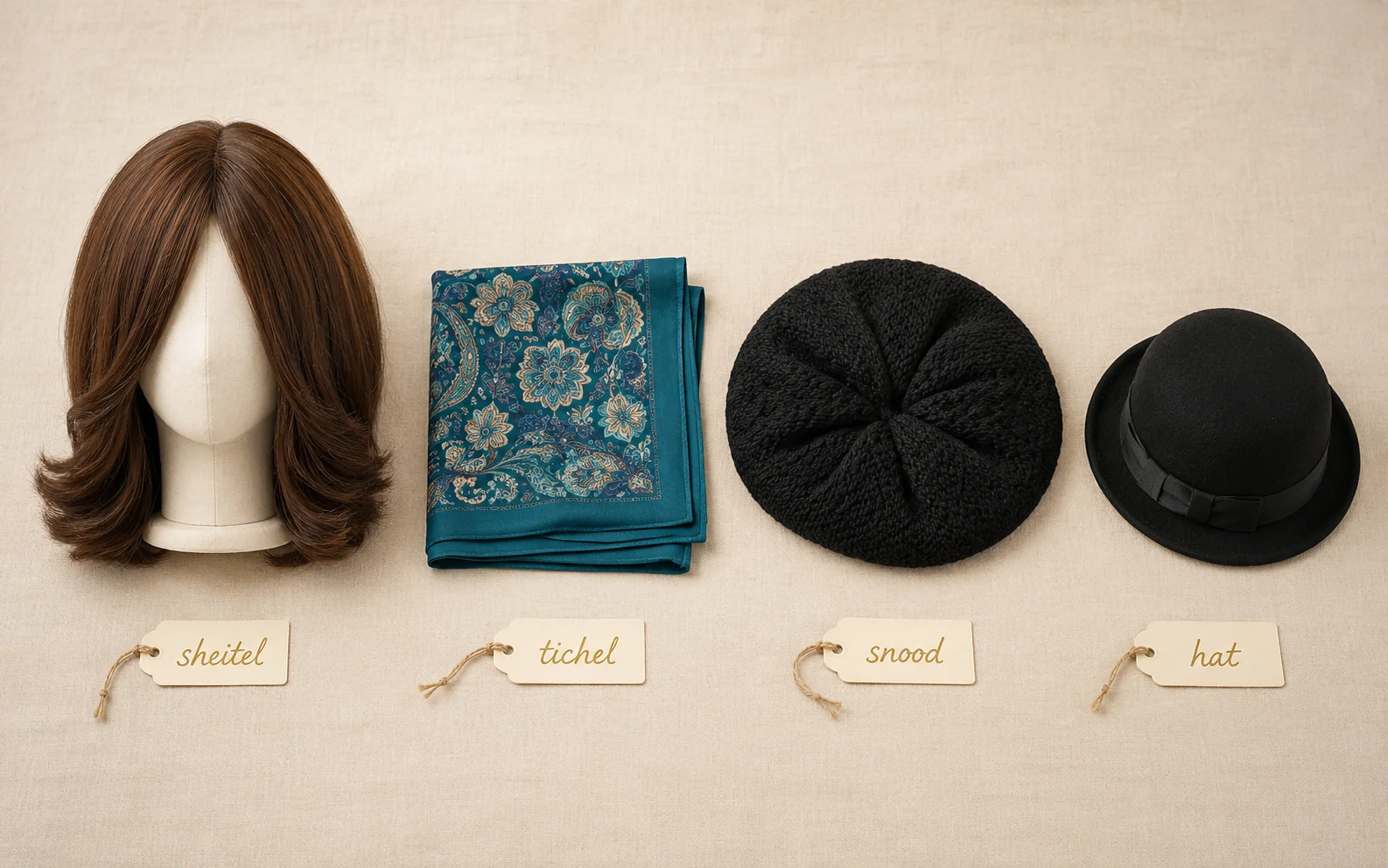
In practice, understanding why do Jewish women wear wigs requires looking past the surface. It's not a fashion statement. Instead, it's a religious practice rooted in centuries of Jewish law, shaped by community tradition, and expressed differently depending on where a woman lives and which movement she belongs to. For some, a sheitel (the Yiddish word for wig) is worn from the wedding day forward, every single day. By contrast, for others, a tichel (scarf) or hat does the job just fine.
Because our factory has spent years serving this community, we wrote this guide from the manufacturer's side of the table — listening to rabbis specify halachic requirements, adjusting cap construction for different coverage levels, and shipping thousands of sheitels to stores in Brooklyn, London, and Tel Aviv. Over time, when you make something for a living, you tend to learn why people need it.
Key Takeaways
- First, Jewish women cover their hair after marriage as a requirement of tzniut (modesty), rooted in Torah law and expanded by rabbinic tradition.
- In addition, sheitel (wig), tichel (scarf), snood, and hat are all valid head coverings — the choice depends on community custom.
- However, most Orthodox women do not shave their heads; only specific Hasidic communities follow that practice.
- For retailers, a kosher sheitel requires verified hair sourcing with rabbinical supervision and full-coverage cap construction.
- Finally, Swiss lace (0.08mm) and silk top are the dominant cap types for modern sheitels, both produced at our Qingdao workshop.
Religious Foundation
The Biblical Origin: Hair Covering in Jewish Law
The Torah Source — Sotah and Tzniut
First, the practice traces back to the Torah itself. In Numbers 5:18, the sotah ritual describes a kohen (priest) uncovering a woman's hair as part of a specific ceremony — which rabbis interpret to mean that married women normally kept their hair covered. Therefore, if uncovering was a public shaming ritual, then covering was the normative state. In other words, that's the foundational textual proof text.
However, you might wonder: does the Torah specifically mention wigs? It does not. The Torah speaks of hair covering in general terms. The sheitel as a specific covering emerged much later in Jewish history, primarily in Eastern European communities where women found that wigs offered both compliance with modesty laws and a way to maintain a natural public appearance. Today, our Qingdao workshop regularly receives orders from communities that have worn sheitels for seven or eight generations.
What Halacha Actually Requires
In short, halacha (Jewish law) requires married women to cover their hair in public or in the presence of men who are not their husbands. Specifically, the Talmud (Ketubot 72a) lists hair covering as one of the requirements of das Moshe (Mosaic law) — meaning it carries the weight of biblical obligation rather than mere rabbinic suggestion. Later, Maimonides codified this in the Mishneh Torah, and the Shulchan Aruch (the primary code of Jewish law) confirms it as binding.
However, what halacha does not specify is how to cover the hair. A scarf works. A hat works. A snood works. A wig works. Therefore, the requirement is about coverage, not about the particular garment used to achieve it. For a deeper halachic discussion about which coverings meet different community standards, see our lace top wigs and halacha guide.
| Source | Requirement | Application |
|---|---|---|
| Numbers 5:18 (Sotah) | Implies hair was normally covered | Biblical basis for the obligation |
| Ketubot 72a (Talmud) | Hair covering classified as das Moshe | Establishes biblical-level obligation |
| Maimonides, Mishneh Torah | Married women must cover hair in public | Codified as binding law |
| Shulchan Aruch, Even HaEzer | Confirms obligation; debate on method | Permits various covering types |
| Rema (Ashkenazi gloss) | Sheitel acceptable where custom allows | Enabled wig adoption in Eastern Europe |
How the Custom Developed
| Period | Development | Significance |
|---|---|---|
| Biblical Era | Hair covering referenced in Torah | Established as communal norm for married women |
| Talmudic Period (200-500 CE) | Formalized as das Moshe obligation | Hair covering defined as biblical requirement |
| Medieval Period (800-1500 CE) | Scarves and veils standard across communities | Covering methods varied by region |
| 16th Century | Rema permits sheitel use in Ashkenazi communities | Wigs become accepted in Eastern Europe |
| 18th-19th Century | Hasidic movements adopt sheitel widely | Wig craftsmanship develops as specialized trade |
| 20th Century | Modern wig construction transforms sheitel quality | Swiss lace and silk top caps enable natural appearance |
| 21st Century | Global kosher wig industry centered in Qingdao | Factory-produced sheitels serve communities worldwide |
Covering Options
Why a Wig and Not Just a Scarf?
However, if any head covering satisfies halacha, why go through the expense and effort of wearing a wig? In short, the answer depends on who you ask — and the range of answers tells you a lot about how diverse Jewish practice really is.
Comparing Covering Methods
| Type | Coverage Level | Typical Community | Daily Comfort | Price Range |
|---|---|---|---|---|
| Sheitel (Wig) | Full or near-full | Haredi, Hasidic, Modern Orthodox | High — looks and feels like natural hair | $800 - $4,000+ |
| Tichel (Scarf) | Partial to full | Modern Orthodox, Sephardic, some Hasidic | High — lightweight and breathable | $10 - $80 |
| Snood (Cap) | Full | Hasidic (especially at home) | Moderate — secure but less stylish | $15 - $60 |
| Hat or Beret | Partial | Modern Orthodox, Conservative | High — easy to wear | $20 - $200 |
| Falls (Hair Extensions) | Partial — adds length over covering | Hasidic (satmar, belz) | Moderate — layered system | $200 - $1,500 |
Community Debate Over Wigs
However, don't some communities specifically avoid wigs? Yes, and this is where it gets nuanced. Some rabbinic authorities, most notably the Arizal (Rabbi Isaac Luria), held that a wig does not constitute a valid hair covering because it looks like natural hair and therefore fails the modesty test. As a result, certain Sephardic communities still follow this view. Meanwhile, Hasidic communities in Brooklyn tend to favor sheitels precisely because they look natural — a woman can go about her day in the secular world without drawing attention to her head covering. In other words, the logic flips depending on the community's relationship with the surrounding culture.
Long-Term Practicality
| Period | Sheitel | Tichel | Hat |
|---|---|---|---|
| 1 Year | $800 - $4,000 | $60 - $200 | $100 - $400 |
| 3 Years | $800 - $4,000 | $180 - $600 | $100 - $400 |
| 5 Years | $1,600 - $8,000 (2 wigs) | $300 - $1,000 | $100 - $400 |
Tip
In practice, many women own both a sheitel for formal occasions and tichels for casual daily wear. As a result, a typical Orthodox wardrobe includes two to three sheitels (one at the stylist, one in rotation, one for Shabbat) plus a drawer of everyday scarves.
In addition, our workshop produces sheitels specifically designed for all-day Orthodox wear — lightweight caps, breathable Swiss lace (0.08mm) for hot climates, and silk top options for women who need full coverage with a natural part line. The factory has been refining these constructions for over a decade based on feedback from Orthodox buyers who know exactly what their community expects.
Common Question
Do Jewish Women Shave Their Heads?
This is one of the most searched questions on the topic (roughly 110 searches per month), and the short answer is: most do not. However, the long answer requires distinguishing between different communities.
Where Head Shaving Is Practiced
For example, head shaving before marriage is practiced by some Hasidic sects — most notably Skver, Toldot Aharon, and certain Satmar communities. In these groups, a bride may have her hair cut very short or shaved entirely on her wedding day, after which she begins wearing a sheitel or tichel. Nevertheless, the reasoning varies: some trace it to an extra stringency of modesty, others to a specific Hasidic custom passed down by their rebbe. It is not a universal halachic requirement by any stretch.
| Community | Practice | Reason | Common? |
|---|---|---|---|
| Skver Hasidim | Hair shaved or cut very short at marriage | Community tradition (minhag) | Universal within the group |
| Toldot Aharon | Hair shaved at marriage | Stringent modesty custom | Universal within the group |
| Satmar (some factions) | Hair cut very short, not always shaved | Community tradition | Common but not universal |
| Lubavitch (Chabad) | No shaving; hair covered with sheitel | Sheitel preferred by the Rebbe | Rare |
| Modern Orthodox | No shaving; hair covered with various methods | Not part of their practice | Very rare |
| Sephardic | No shaving; hair covered with tichel or wig | Not part of their tradition | Very rare |
Note
However, this is one of the most common misconceptions people have about Orthodox Jewish women. In fact, the overwhelming majority of Orthodox women — including most Hasidic women — do not shave their heads. Instead, they simply tuck their natural hair under a sheitel or pin it beneath a tichel. Therefore, the shaving practice is limited to specific communities and should not be generalized.
Community Traditions
Different Communities, Different Practices
Haredi and Hasidic Communities
Haredi women (the term means "those who tremble" before God) generally maintain the strictest hair covering practices. In Hasidic communities — think Williamsburg, Borough Park, and parts of Israel — the sheitel is the dominant everyday covering. In addition, many Hasidic women wear a fall (a partial wig that adds length) over a tichel or snood, creating a layered system. The result looks like long natural hair flowing past the shoulders, which is the aesthetic many Hasidic communities prefer. Some women wear a shpitzel (a silk or satin cap with hair attached at the temples) underneath a tichel for added volume at the hairline.
Modern Orthodox Practices
Modern Orthodox women cover their hair after marriage but tend to have more flexibility in method. For example, many alternate between sheitels for work and social settings, tichels at home, and hats for Shabbat. The Modern Orthodox approach generally views hair covering as a non-negotiable halachic requirement but allows more personal expression in how it's done. As a result, a woman might own one high-quality sheitel for weekdays and a collection of colorful scarves for weekends. In our experience selling to Modern Orthodox stores, customers in this segment prioritize natural appearance and comfort above all else.
Sephardic and Mizrahi Traditions
Sephardic and Mizrahi communities (Jews from North Africa, the Middle East, and Central Asia) traditionally favor tichels and head scarves over wigs. The Arizal's ruling — that a wig doesn't count as a proper covering because it resembles natural hair — carries particular weight in Sephardic halacha. However, this is shifting. Today, Sephardic women in Israel, France, and the United States increasingly wear sheitels, especially in urban areas where Orthodox communities of all backgrounds live side by side.
| Community | Primary Covering | Style | Coverage Level |
|---|---|---|---|
| Haredi (Lithuanian) | Sheitel | Natural, shoulder-length | Full |
| Hasidic (Satmar, Belz) | Sheitel + fall or tichel | Long, flowing, often with volume | Full |
| Chabad-Lubavitch | Sheitel (strongly preferred) | Polished, professional | Full |
| Modern Orthodox | Mixed (sheitel, tichel, hat) | Varies by occasion | Full to partial |
| Sephardic (traditional) | Tichel | Wrapped, colorful | Full |
| Conservative / Reform | Optional or none | Personal choice | Varies widely |
Craftsmanship
The Modern Sheitel: From Tradition to Craftsmanship
How Sheitels Are Made
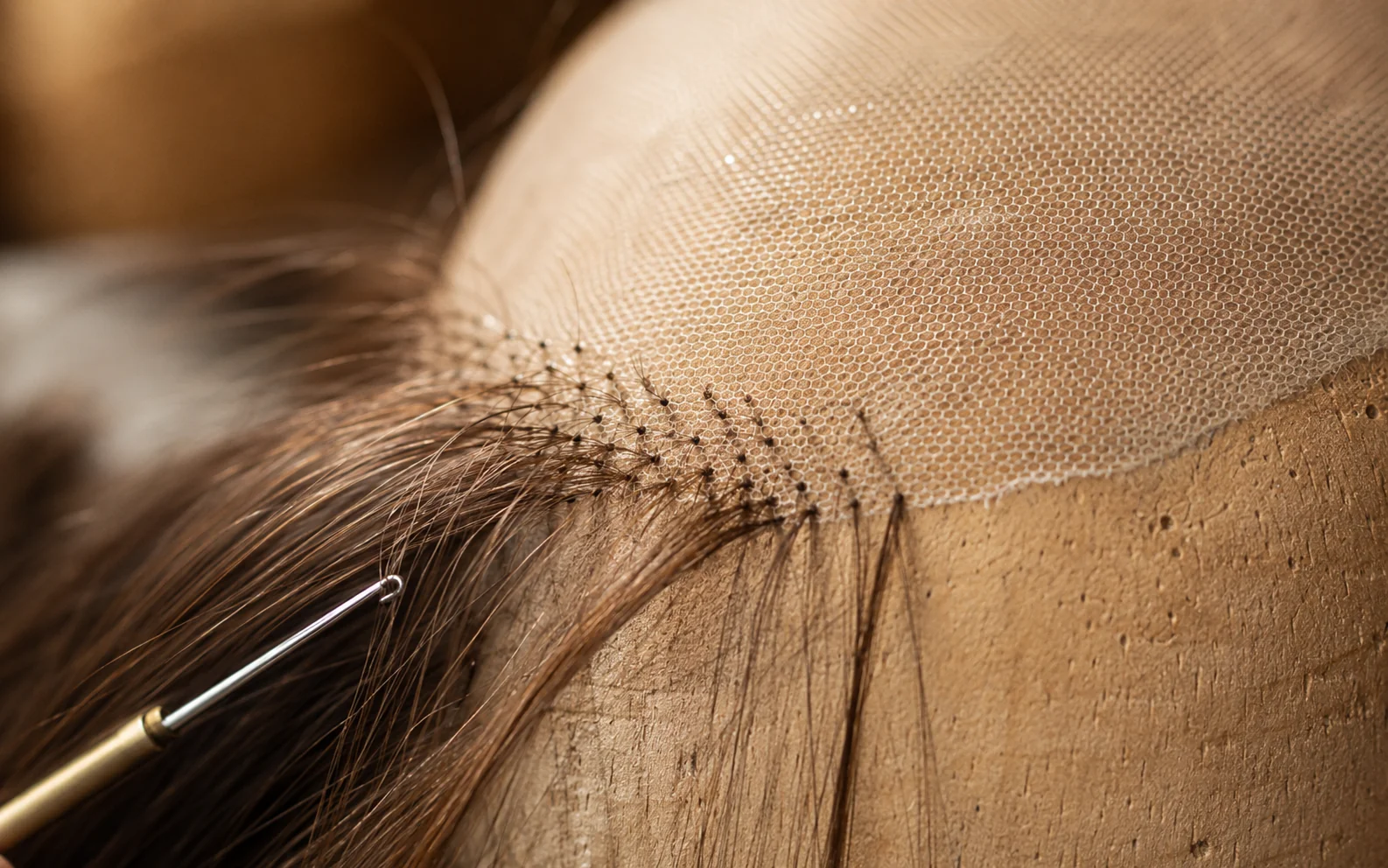
A sheitel is not an off-the-shelf product — at least not a good one. In our Qingdao workshop, each human hair sheitel passes through multiple production stages: hair selection and cuticle alignment, cap pattern cutting, hand-tying (ventilating) individual strands through the lace or silk base, washing and conditioning, and final styling. In fact, a single full-cap sheitel requires roughly 40 hours of hand-tying labor alone. For a full breakdown of the seven main sheitel types Orthodox women wear, see our guide to Jewish wig types.
Similarly, the hair itself matters enormously. Most premium sheitels use European virgin hair — hair that has never been chemically processed. It holds its cuticle layer intact, which means it moves, shines, and responds to styling the way natural hair does. By contrast, lower-priced sheitels use processed hair that has been stripped and coated, which looks acceptable on day one but deteriorates faster with washing and heat styling.
Swiss Lace, Silk Top, and Modern Innovations
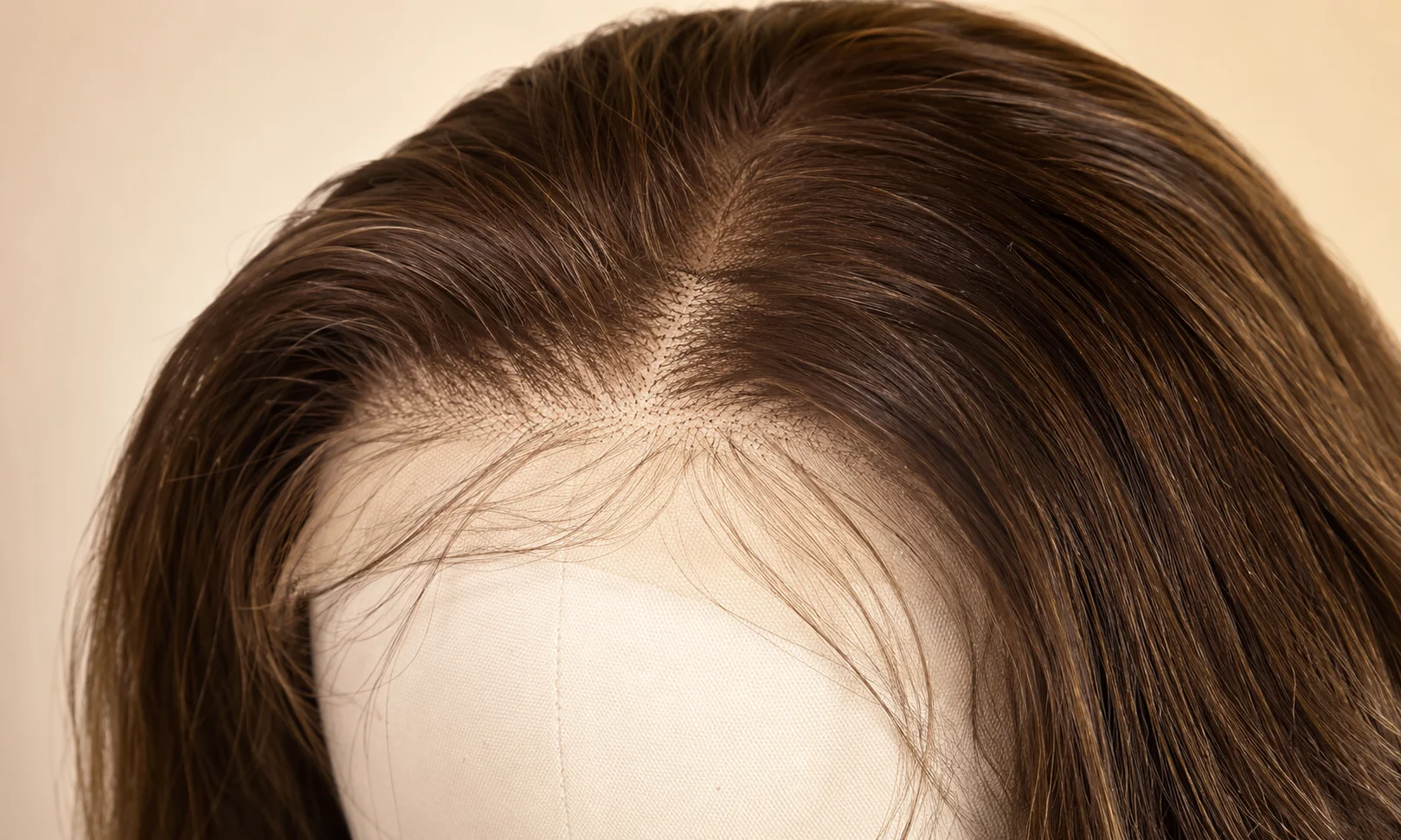
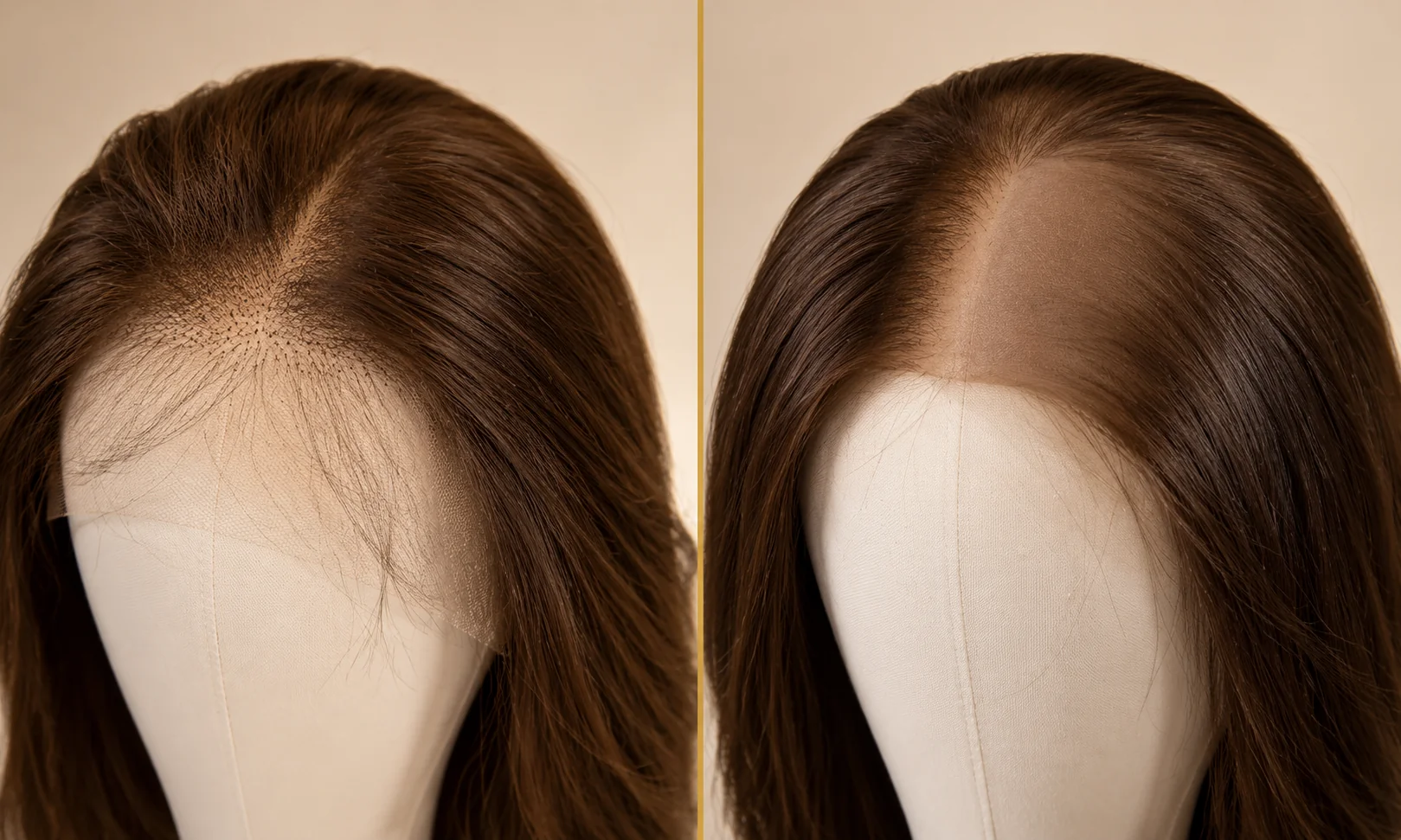
Today, two cap constructions dominate the modern kosher sheitel market. Swiss lace (0.08mm thickness, the standard we use at our factory — not to be confused with HD lace, which is thinner but less durable) provides an undetectable hairline and excellent breathability. Meanwhile, silk top construction sandwiches the hair knots between a silk layer and a lace layer, making every knot invisible and creating a scalp-like appearance at the part line. For a detailed comparison of these two constructions, see our lace top vs silk top sheitels guide.
Tip
In practice, a quality sheitel should be virtually undetectable — if it looks "wiggy," the construction is the problem, not the concept. Therefore, the cap material, knot technique, and hair density all contribute to whether a sheitel passes as natural hair.
Therefore, our Qingdao workshop has been perfecting this craft for over a decade, shipping to stores in Brooklyn, London, and Tel Aviv. Every sheitel that leaves the factory goes through a quality inspection under magnification to verify knot coverage, cap fit, and hair alignment. When a customer picks up a sheitel from one of our retail partners, she shouldn't have to think about whether it looks natural — that part should already be handled.
Myths vs Facts
Common Misconceptions About Jewish Wigs
After years of manufacturing sheitels and answering questions from wholesale buyers, we've heard just about every misconception out there. Therefore, it helps to separate the recurring myths from the practical reality.
Myths Retailers Hear Most Often
| Myth | Reality | Source |
|---|---|---|
| All Orthodox Jewish women shave their heads | Only specific Hasidic communities practice head shaving; most Orthodox women simply tuck their hair under a covering | Confusion between minority customs and general practice |
| Wigs defeat the purpose of modesty | Halacha requires covering, not making oneself look plain; many authorities specifically permit natural-looking sheitels | Debate between Arizal (against) and Rema (permitting) |
| Only married women cover their hair | Correct — the obligation begins at marriage; unmarried Jewish women have no requirement to cover their hair | Not a myth — this one is accurate |
| Jewish wigs must be made from Jewish hair | No halachic requirement for the hair's origin; however, hair must not come from idolatrous sources (e.g., temple offerings) | Misunderstanding of kosher certification requirements |
| Sheitels are uncomfortable and hot | Modern Swiss lace and silk top caps are lightweight and breathable; comfort has improved dramatically in the last decade | Outdated assumption based on older construction methods |
Why the Modesty Question Persists
However, the most persistent myth is probably the one about modesty. People assume that if a wig looks like real hair, it can't possibly serve a modesty function. But the point of the halachic requirement is covering the married woman's natural hair — not looking different. Therefore, a sheitel covers what needs covering while allowing a woman to participate normally in society. For communities that prioritize this balance, the sheitel is the ideal solution, and our factory builds them precisely for that purpose.
FAQ
Frequently Asked Questions
Do all Jewish women wear wigs?
No. For example, Haredi and Hasidic women generally wear sheitels after marriage, while Modern Orthodox women may alternate between wigs, scarves, and hats. By contrast, Conservative, Reform, and secular Jewish women rarely cover their hair at all. Therefore, the practice depends on community custom and observance level.
Why do Orthodox Jewish women wear wigs after marriage?
Orthodox Jewish women cover their hair after marriage as a requirement of tzniut, or modesty. In addition, the covering signals married status and reserves natural hair for the privacy of the home. A sheitel is one common method because it offers full coverage, natural appearance, and all-day comfort.
What is a kosher wig and how is it different?
A kosher wig is made from hair verified as free from idolatrous origins. Specifically, many Orthodox communities require rabbinical supervision for sourcing and processing. In our Qingdao workshop, sheitels for Orthodox buyers use documented sourcing, full-coverage cap construction, and materials such as 0.08mm Swiss lace or silk top bases.
What should retailers ask a wholesale sheitel supplier?
Retailers should confirm hair sourcing, rabbinical certification needs, cap coverage, sample policy, lead time, density customization, and quality control checkpoints. In addition, for Orthodox communities, the supplier should document whether hair origin and production handling meet the buyer's rabbinical standard before bulk ordering.
How much does a Jewish wig typically cost?
Prices vary by hair quality and cap construction. For example, synthetic sheitels may start around $200, while human hair lace-front sheitels often range from $800 to $2,000. Premium Swiss lace or silk top pieces with European virgin hair usually cost more because sourcing, hand-tying, and customization add labor.
Conclusion
Understanding the Sheitel Tradition
Overall, the practice of hair covering in Judaism is ancient, layered, and far more nuanced than most outsiders realize. It begins with Torah law, runs through Talmudic debate, branches into different community customs, and arrives at the modern sheitel — a product of remarkable craftsmanship that allows observant women to fulfill a religious obligation while living and working in the contemporary world.
At our Qingdao factory, therefore, we don't just make wigs. Instead, we make the specific tool that thousands of women rely on every single day to practice their faith. That responsibility shapes how we source hair, how we construct caps, and how we inspect every sheitel before it ships. As a result, when a woman in Brooklyn puts on one of our sheitels on a Tuesday morning and walks out the door feeling confident and halachically compliant, that's the entire point of our work.
Choosing the Right Covering
| Covering Type | Why Women Choose It | Best For |
|---|---|---|
| Sheitel (Wig) | Natural appearance, all-day wearability, social integration | Daily wear in professional and public settings |
| Tichel (Scarf) | Lightweight, affordable, easy to change style daily | Home wear, casual settings, hot climates |
| Snood | Secure fit, full coverage, minimal adjustment needed | Home wear, sleeping, quick errands |
| Hat | Fashionable, simple to put on, partial coverage | Shabbat, casual outings, Modern Orthodox settings |
| Fall + Tichel | Long hair appearance with layered coverage | Hasidic communities seeking volume and length |
If you're a wholesale buyer looking to serve Orthodox communities, or if you simply want to understand the sheitel tradition more deeply, we're happy to share what we've learned from years of manufacturing in this space. Reach out to our team — we respond to every inquiry within 24 hours.

Looking for Wholesale Sheitels?
Therefore, our Qingdao factory produces kosher-certified sheitels with Swiss lace and silk top construction for Orthodox communities worldwide. Contact us for wholesale pricing and samples.
Request Wholesale Pricing