Wholesale Guide
Kosher Wigs Wholesale: How to Vet a B2B Factory Supplier
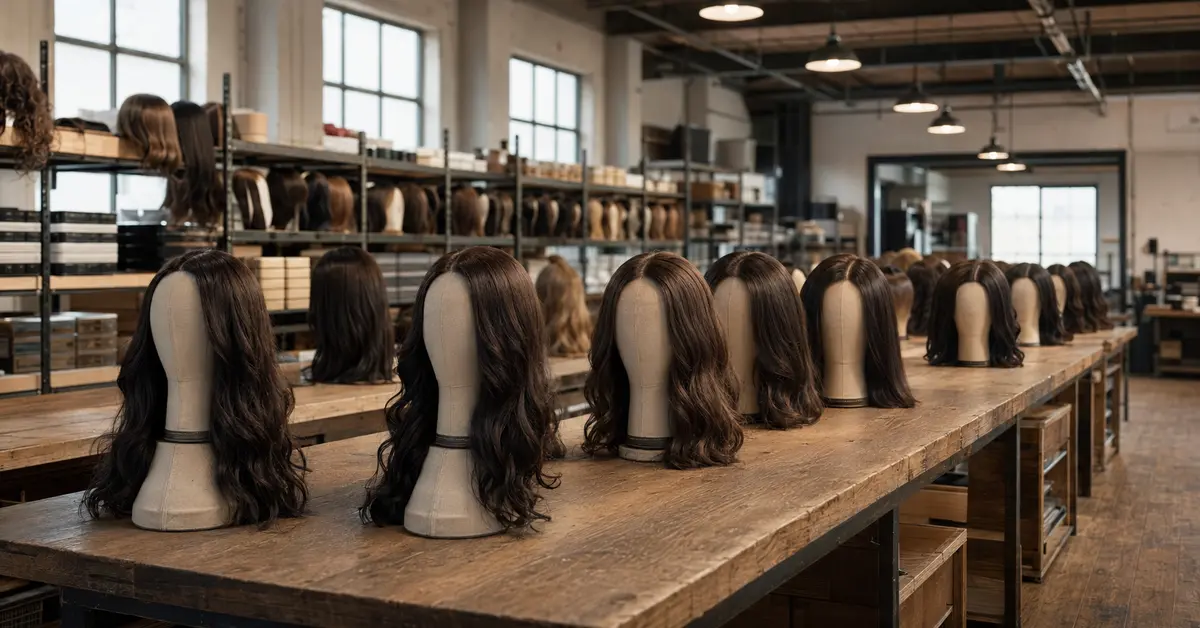
Kosher wig wholesale is a specialized procurement category. Buyers need a repeatable way to assess whether a factory can meet their community’s supervision expectations, reproduce an approved sample, and communicate clearly as an order develops. This guide focuses on that verification work rather than on generic wig-industry claims.
At our Qingdao workshop, we have been manufacturing kosher sheitels for over a decade. We have seen wholesale buyers thrive and we have seen them fail — and the difference almost always comes down to supplier selection. This guide lays out the criteria that actually matter, the red flags that most new buyers miss, and the pricing structure you should expect when sourcing from China.
Key Takeaways
- Start with community-appropriate supervision — verify the authority, scope, and documentation your buyers require before placing an order
- Compare like-for-like quotations — cap construction, hair specification, density, colour work, and after-sales terms belong in the same brief
- Approve a sample before committing — use a written specification and an inspection checklist to judge construction and colour consistency
- Confirm the production plan in writing — agree the approval steps, shipping method, and communication milestones before payment
Kosher Requirements
What Makes a Wig Kosher — and Why It Matters for Wholesale
A kosher wig (sheitel) is not simply a human-hair product with a label. Expectations for sourcing and supervision can vary by rabbinic authority and community. Wholesale buyers should define the applicable standard with their own qualified authority, then make that standard part of the supplier brief and purchase documentation.
Hair Origin Rules
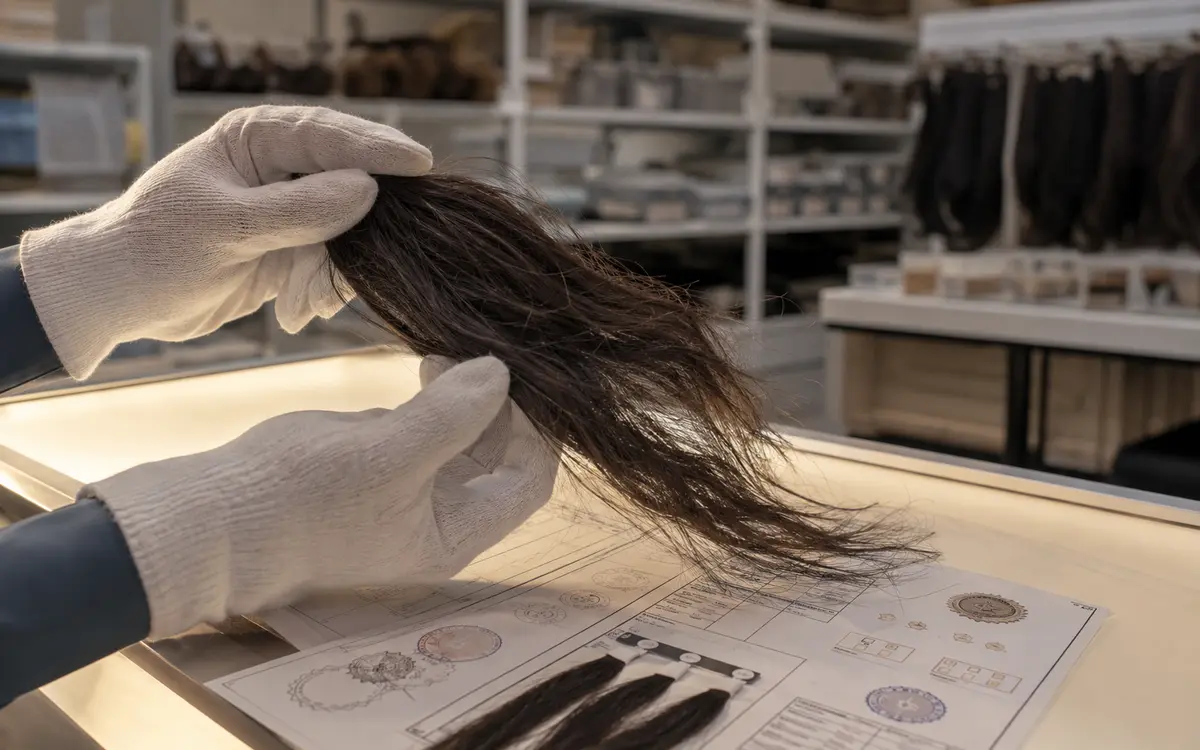
Ask how the supplier documents hair provenance and separates approved material from other inventory. A useful record identifies the batch, incoming documentation, processing status, and the finished order it supports. Your rabbinic authority should determine what provenance evidence is sufficient for the community you serve.
Rabbinic Supervision
Before approving a supplier, request current written supervision documentation and confirm it with the named authority where appropriate. The document should make its scope clear: what it covers, how it relates to hair sourcing, and whether it applies to the construction you plan to order. Do not treat a generic certificate as a substitute for your community’s own requirements.
Buyer brief
Record the supervision requirement, provenance evidence, construction specification, and approval owner in one document. This gives the factory a clear standard and gives your team a traceable basis for accepting or rejecting an order.
Selection Criteria
7 Criteria for Evaluating a Kosher Wig Supplier
Whether you are opening your first sheitel store or expanding an existing wholesale operation, these seven criteria separate reliable factory partners from costly mistakes.
1. Certification Verification
Ask for the factory's rabbinic supervision letter. It should name the supervising rabbi, the certifying organization, and the date of last inspection. Cross-reference the rabbi's name through community directories — legitimate certifications are verifiable through the certifying body's website or by calling their office. Any factory that hesitates to provide this documentation should be eliminated from consideration immediately.
Tip
Ask whether the supplier can arrange a verification call with the authority named in its documentation. Confirm that this process meets the requirements of the community you serve before relying on any certificate.
2. Factory vs. Trading Company
A trading company is not automatically unsuitable, but buyers should know who controls production and quality. Ask for a live view of the production floor, the name of the facility responsible for the order, and a written escalation route for defects. A supplier that cannot explain where or how the product is made adds avoidable risk.
3. Sample Quality
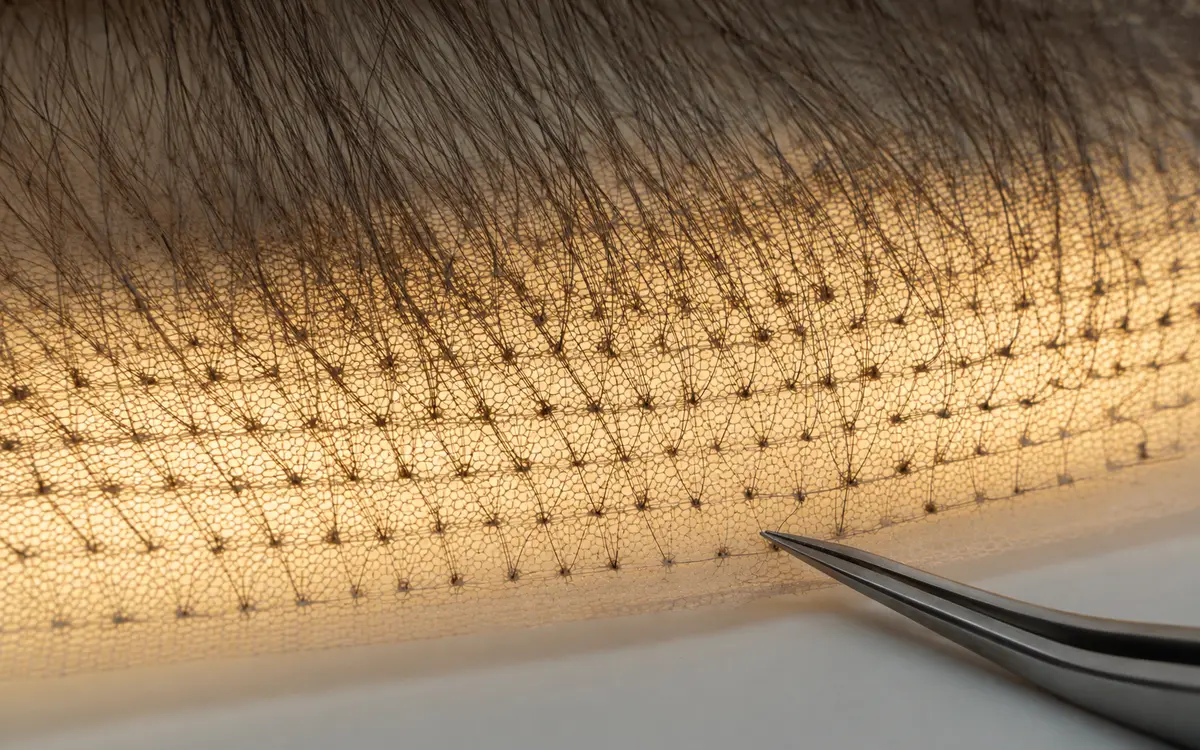
Always approve a sample before committing to volume. Use the same written brief you will use for production, then inspect knot security, hair alignment, cap fit, colour consistency, and hairline finish under neutral lighting. Record any exception in the approval notes so the factory has a measurable production reference.
4. Pricing Transparency
A legitimate factory provides a clear tiered pricing structure based on hair type, length, density, and cap construction. Ask for a quotation tied to a written specification, including shipping terms, packaging, payment milestones, and any custom-work charges. Unexplained changes between quotations are a reason to pause and clarify the manufacturing path.
| Specification | Entry specification | Core specification | Premium specification |
|---|---|---|---|
| Hair Type | Supplier-defined hair grade | Documented hair specification | Verified premium hair specification |
| Length | Shorter lengths | Core assortment lengths | Longer or custom lengths |
| Quotation basis | Construction and material brief | Approved sample and order scope | Custom work and quality controls |
| Buyer review | Basic material review | Construction and colour review | Full traceability review |
| Order approach | Sample-led evaluation | Repeatable core assortment | Custom production plan |
5. Minimum Order Quantity
MOQ depends on cap construction, hair availability, colour work, and the supplier’s production planning. Ask whether the supplier can support a paid sample stage, how it converts an approved sample into a production brief, and what changes would require a new approval. A clear answer is more useful than a headline MOQ alone.
6. Lead Times and Communication
Lead time varies with material availability, custom colour work, construction, and the approval process. Ask the supplier to map the production stages, define the approval checkpoints, and name the person responsible for updates. A realistic, documented plan is more useful than an unsupported delivery promise.
7. After-Sales Support and Warranty
Quality issues can appear after client wear. A factory worth partnering with offers a written warranty and a defined path for reporting knot shedding, lace defects, colour variance, or construction issues against the approved sample. Confirm the remedy, evidence required, and communication owner before payment.
Note
Get the warranty terms in writing before placing your first order. Verbal promises about quality guarantees are meaningless when a batch of 30 units arrives with inconsistent coloring. A legitimate factory provides a written warranty document as part of the wholesale agreement.
Pricing Breakdown
Factory-Direct Pricing Reality Check
The kosher wig supply chain can include a factory, a distributor, and a retail business. Each model allocates responsibilities differently. Your quotation should make clear who owns production control, inspection, freight coordination, and post-sale support.
Factory-direct buying can reduce intermediary layers, but it also moves more verification work to the buyer. Compare quotations only after aligning the material specification, construction, quality checks, packing, freight terms, duties, and remedy for defects. The lowest unit figure is not a reliable measure of landed cost or risk.
| Cost Component | Factory Direct | Through Distributor | Difference |
|---|---|---|---|
| Production control | Buyer works with factory | Distributor coordinates factory | Confirm the responsible party |
| Freight and duties | Buyer receives a freight plan | May be included in the quote | Compare the same incoterm |
| Customs/Duties | Varies by country | Handled by distributor | Confirm documentation responsibilities |
| Quality Control | Your responsibility | Distributor checks | Invest in inspection |
| Total landed cost | Build from the approved brief | Review the distributor scope | Use a comparable cost model |

Common Pitfalls
5 Mistakes New Kosher Wig Buyers Make
After a decade of working with wholesale partners, these are the mistakes we see most often — and they are all preventable.
1. Skipping supervision verification — Do not rely on a certificate image alone. Confirm the named authority, the scope of the documentation, and whether it meets your community’s requirements. Where appropriate, verify directly with the authority before committing to an order.
2. Choosing the lowest price — A low quotation may omit material details, inspection, freight, or after-sales support. Compare complete specifications and responsibilities rather than assuming a lower unit price represents the better procurement decision.
3. Ordering volume without samples — Photographs cannot substitute for a physical review. Approve a sample against a written brief, record the acceptable construction and colour standard, and use that document to govern production.
4. Ignoring lead times — Custom work needs a documented sequence for materials, colour approval, construction, inspection, and freight. Build a practical production plan with the supplier rather than accepting a promise that omits approval checkpoints.
5. Not budgeting for freight and customs — Freight, insurance, duties, and handling can materially change the final cost. Request the applicable shipping terms and a landed-cost model before finalizing the purchase order.
| Mistake | Consequence | Prevention |
|---|---|---|
| No certification check | Non-kosher inventory, community backlash | Verify rabbi + certifying body directly |
| Lowest price selection | Substitute hair, quality complaints, returns | Request hair origin documentation |
| No sample order | Volume batch differs from expectations | Approve a physical sample first |
| Ignoring lead times | Rushed quality, missed deadlines | Set approval checkpoints before production |
| No shipping budget | Unexpected costs erode margins | Calculate total landed cost upfront |
FAQ
Frequently Asked Questions
Ask for current written documentation that identifies the supervising authority, its scope, and the review date. Confirm with that authority where appropriate, then ask your own qualified rabbinic authority whether the documentation meets your community’s requirements. Keep the approved documentation with the purchase file.
MOQ varies with cap construction, material availability, colour work, and production planning. Ask whether the supplier supports a paid sample stage, how an approved sample becomes a production brief, and which specification changes require a new approval before you commit to volume.
Yes. Build a written specification that records the target colour, length, density, cap construction, and acceptable variation. The supplier should confirm whether the request is feasible, identify any approval points, and issue a quotation and production plan that match the same brief.
Choose a shipping method only after the order is specified and packed. Ask for the freight terms, insurance, customs responsibilities, and expected milestones in writing. Include these costs and responsibilities in your landed-cost model rather than comparing factory quotations in isolation.
That depends on the standards of the community you serve. Discuss the supervision documentation, order process, and any desired inspection with your own qualified rabbinic authority before ordering. A supplier can provide records and access, but it cannot determine the standard your community should accept.
Conclusion
Choosing Your Factory Partner
The right kosher wig supplier is not the cheapest one — it is the one that combines verified certification, consistent quality, transparent pricing, and reliable communication into a partnership you can build on for years. Our Qingdao workshop has served wholesale partners across the United States, Israel, and Europe by maintaining exactly those standards.
Start with a sample order. Compare the construction against your current supplier using the same documented brief, then confirm the supervision and quality requirements that apply to your buyers. That comparison will tell you more than any marketing material.
Ready to evaluate factory-direct kosher wigs? Contact our Qingdao workshop for samples and a wholesale consultation.



Ready to Source Kosher Wigs Factory-Direct?
Request the current supervision documentation, approve a sample against your written brief, and compare construction quality before committing to volume.
Request Wholesale Consultation